Vitamin C, Anti-Aging Essence Formulation, and Ingredient Questions
Question
I have been using a 15% Vitamin C tester. After the initial adjustment period, my skin feels firmer and more refined, but it also appears duller, especially when exposed to the sun without sunscreen (the tester's stickiness made sunscreen application difficult).
- Could applying Vitamin C and then being exposed to the sun without sunscreen cause my skin to darken faster?
- Would using Alpha Arbutin mixed with water alone help with dullness?
- I plan to create a water-based anti-aging essence with the following ingredients and percentages. Please review and advise on the mixing procedure and suitability:
- Argireline (Acetyl Hexapeptide-8) 10%
- Pep-Coll (Palmitoyl tripeptide-5) 5%
- Metabiotics Resveratrol (ActiveRelease Trans-Resveratrol) 5%
- Centella Asiatica Extract (Madecassoside) 5%
- Are Repair Activator (Bifida Ferment Lysate) and Apple Stem Cell Extract (AppleCell) effective for anti-aging, and are they worth the investment?
- Are older peptides like SNAP-8 and Leuphasyl still available for purchase?
Answer
Analysis of Your Skin Concerns and Formulation Questions
Thank you for sharing your experience and questions. It's good to hear that your skin has adjusted to the Vitamin C tester and feels firmer and more refined, even after the initial reaction. Let's break down your concerns and formulation plans.
Vitamin C and Skin Dullness
You observed that your skin became dull after adjusting to the 15% Vitamin C tester, despite feeling firmer. You asked if applying Vitamin C and being exposed to the sun without sunscreen could cause faster skin darkening.
Based on the information, the staff correctly pointed out that sun exposure doesn't cause Vitamin C itself to darken the skin. Instead, UV exposure can degrade Vitamin C, making it less effective. However, the primary reason for your skin appearing dull or darker when exposed to the sun without sunscreen is the sun itself. UV radiation stimulates melanin production, leading to tanning, hyperpigmentation, and overall dullness, regardless of whether you are using Vitamin C or not. While Vitamin C helps brighten the skin and offers some antioxidant protection against sun damage, it is not a substitute for sunscreen. The stickiness of the tester preventing you from applying sunscreen is the most likely cause of the dullness you observed. Protecting your skin from the sun is crucial, especially when using active ingredients like Vitamin C that promote skin renewal.
Alpha Arbutin for Dullness
You asked if using Alpha Arbutin mixed with water alone would help with dullness.
Yes, Alpha Arbutin is a well-known skin brightening agent that works by inhibiting the enzyme (Tyrosinase) responsible for melanin production. Using Alpha Arbutin can effectively help to reduce dullness, dark spots, and uneven skin tone. It is water-soluble and can be mixed into a water-based solution. For optimal stability and efficacy, especially when mixing at home, it's recommended to ensure the pH is within the recommended range (typically 3.5-6.5) and potentially use a stabilizer like ActiveProtec OX if formulating a larger batch for longer storage. Most importantly, consistent daily use of sunscreen is essential when using Alpha Arbutin to prevent new pigmentation and allow the ingredient to work effectively.
Anti-Aging Essence Formulation Analysis
You plan to create a water-based anti-aging essence with:
- Argireline (Acetyl Hexapeptide-8) 10%
- Pep-Coll (Palmitoyl tripeptide-5) 5%
- Metabiotics Resveratrol (ActiveRelease Trans-Resveratrol) 5%
- Centella Asiatica Extract (Madecassoside) 5%
This is a good combination of ingredients targeting different aspects of aging:
- Argireline: A peptide that helps reduce the appearance of expression wrinkles by targeting muscle contractions.
- Pep-Coll: A peptide that stimulates collagen production to improve skin firmness and reduce wrinkle depth.
- Metabiotics Resveratrol: An antioxidant that helps protect against environmental damage, stimulates collagen, and can improve skin elasticity.
- Centella Asiatica Extract (Madecassoside): Known for its soothing, anti-inflammatory, and collagen-stimulating properties, helping with skin repair and reducing redness.
All these ingredients are water-soluble or dispersible in water and are typically added in the final phase of formulation, avoiding high heat. To make a simple water-based essence, you would first prepare your water base (which should include a suitable preservative). Then, add the active ingredients one by one, ensuring each is fully dissolved or dispersed before adding the next. Maintain the temperature below 40°C during mixing. The recommended pH range for these ingredients is generally between 3.5 and 6.5, which is suitable for your formulation. A pH between 4-6.5 would be ideal for all listed ingredients.
Mixing Order (General Guideline for Water-Based Essence):
- Prepare your water base with a preservative.
- Add powder ingredients (Metabiotics Resveratrol, Centella Asiatica Extract) one by one, stirring until dissolved or dispersed.
- Add liquid ingredients (Argireline, Pep-Coll) one by one, stirring until fully incorporated.
- Check and adjust the final pH if necessary to be within 4-6.5.
Note that Metabiotics Resveratrol and Centella Asiatica Extract (Madecassoside) should ideally be stored in the refrigerator for long-term stability.
Repair Activator and Apple Stem Cell Extract
You asked about the effectiveness of Repair Activator (Bifida Ferment Lysate) and Apple Stem Cell Extract (AppleCell) and if they are worth the investment.
- Repair Activator (Bifida Ferment Lysate): This ingredient is known for its ability to support the skin's natural DNA repair processes, which can be beneficial for skin damaged by UV exposure or environmental stressors. It can help improve skin barrier function, reduce sensitivity, and improve signs of aging. As the staff mentioned, it is particularly suitable for skin that is damaged, dry, irritated, or showing premature signs of aging.
- Apple Stem Cell Extract (AppleCell): This ingredient is recognized for its potential to help skin cells maintain their vitality and longevity, contributing to anti-aging effects and helping the skin look more youthful. It is also noted to have whitening performance without irritation.
Both Repair Activator and Apple Stem Cell Extract are well-regarded active ingredients in anti-aging skincare and have research supporting their benefits. Whether they provide "clearly visible results as rumored" depends on the specific formulation, concentration used, individual skin type, concerns, and consistency of use. They are generally considered effective additions to an anti-aging routine, but as with many high-performance ingredients, they come at a higher cost. If your budget allows in the future and you are targeting the specific concerns they address (skin repair/sensitivity for Repair Activator, overall cell vitality/youthfulness for Apple Stem Cell), they could be valuable additions.
Discontinued Peptides (SNAP-8, Leuphasyl)
You inquired if older peptides like SNAP-8 and Leuphasyl are no longer available.
Based on the product search results, equivalent versions of these peptides are still available:
- SNAP-8 is available as Acetyl Octapeptide-3 (eq. SNAP-8).
- Leuphasyl is available as Pep®-Leupha (Pentapeptide-18).
So, you can still purchase and use these peptides for your formulations.
In summary, your experience with Vitamin C highlights the absolute necessity of daily sunscreen. Alpha Arbutin can help with dullness, but also requires sun protection. Your planned anti-aging essence formulation is a good mix of actives. Repair Activator and Apple Stem Cell are effective ingredients worth considering when budget allows, and the peptides SNAP-8 and Leuphasyl are still available under their chemical or trade names.
Related Products Mentioned
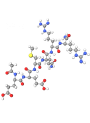
Acetyl Hexapeptide-8 (eq Argireline)
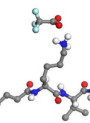
Pep®-Coll (Palmitoyl tripeptide-5)
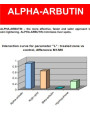
Alpha Arbutin (Switzerland)


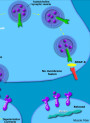
Acetyl Octapeptide-3 (eq. SNAP-8)