Vitamin C Drink Formulation: pH and Preservation
Question
Hello, I would like to create a Vitamin C drink with fruit flavoring and sweetener.
- What is the optimal pH range for the formula?
- What type of preservative should be used and at what percentage for a long shelf life, or is it not necessary to add one?
Thank you.
Answer
Vitamin C Drink Formulation Guidance
Optimal pH
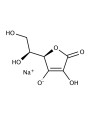
For optimal stability of Vitamin C (L-ascorbic acid) in a drink formulation, the pH should be adjusted to an acidic range, ideally between 2.5 and 3.0. Maintaining a low pH helps minimize the degradation of Vitamin C over time.
Preservatives for Shelf Life
To ensure a long shelf life for your Vitamin C drink, especially with added fruit flavoring and sweetener which can support microbial growth, using a food-grade preservative is generally necessary.
Several preservatives are suitable for food applications, and their effectiveness can depend on the pH of the formulation:
- Benzoic Acid: This is effective in acidic conditions, typically below pH 4.5. Given the low pH required for Vitamin C stability, Benzoic Acid is a suitable choice for controlling yeast and mold. The typical usage rate is up to 0.1%.
- Natamycin: Effective in a pH range of 4-7, primarily against yeast and mold. It is less effective against bacteria and may need to be combined with other preservatives for broad-spectrum protection. Usage rates vary depending on the product concentration (e.g., 0.1-0.4% for 50% powder, 1-3% for 12% water soluble).
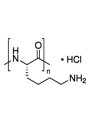
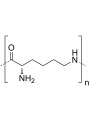
- Polylysine HCL / (E)-Polylysine: These are broad-spectrum food preservatives that are water-soluble.
The choice and exact percentage of preservative should be determined based on the specific formulation, ingredients, processing method, and desired shelf life, ideally confirmed through challenge testing. However, for a Vitamin C drink formulated at a low pH for stability, Benzoic Acid is a common and effective option for inhibiting yeast and mold growth.