Vitamin C (L-Ascorbic Acid) Stability Issue with Vitamin B3 and NAG
Question
Regarding my Vitamin C formulation:
My first formula, which included L-Ascorbic Acid with water, Cyclomethicone, Silicone Gel, and Sepiplus 400, did not turn yellow quickly.
However, in my second formula, I mixed L-Ascorbic Acid powder into water and then immediately added Vitamin B3 (Niacinamide) and NAG (Acetyl Glucosamine). Why did the mixture degrade (turn yellow) immediately?
Is it necessary to use an antioxidant like Glutathione in this formula?
Answer
Answer to Your Vitamin C Formulation Questions
Based on your questions and the expert replies, here is a breakdown of your Vitamin C formulations:
Regarding Your First Formula (Vitamin C, Water, Cyclomethicone, Silicone Gel, Sepiplus 400)
You are correct that L-Ascorbic Acid (pure Vitamin C) is inherently unstable when dissolved in water and can degrade quickly. However, as the staff confirmed, if your mixture did not turn yellow within a week of use, it indicates that the Vitamin C likely did not degrade significantly during that time. Yellowing is indeed a visual sign of L-Ascorbic Acid oxidation.
For optimal stability of L-Ascorbic Acid, the pH of the solution is crucial. It needs to be in an acidic range, ideally around pH 3.5-4.0. If the pH is higher, the degradation rate increases significantly. Since you used the product quickly and it didn't yellow, the pH might have been acceptable for short-term stability, even without explicit adjustment.
Your formula also includes Cyclomethicone, Silicone Gel, and Sepiplus 400. These ingredients primarily function to create the texture of your product (gel/cream) and can help with the feel and spreadability on the skin. Cyclomethicone and Silicone Gel are silicone-based ingredients, while Sepiplus 400 is a gelling agent.
If you plan to use this type of formula on your face, adjusting the pH to the optimal range (3.5-4.0) is highly recommended to ensure the Vitamin C remains potent and stable for longer, even if you use it up quickly. The pH adjustment should ideally be done at the final step after all ingredients are mixed.
Regarding Adding Vitamin B3 and NAG (Acetyl Glucosamine) and the Yellowing
The staff's explanation is accurate. The yellowing you observed immediately after adding Vitamin B3 (Niacinamide) and NAG (Acetyl Glucosamine) to your Vitamin C/water solution is a clear sign of Vitamin C degradation. This occurred because both Niacinamide and Acetyl Glucosamine typically have a pH closer to neutral (around pH 6-7 for Acetyl Glucosamine as per product descriptions), which significantly raises the overall pH of your Vitamin C solution. As mentioned earlier, L-Ascorbic Acid is highly unstable at higher pH levels, leading to rapid oxidation and the resulting yellow color.
Role of Antioxidants like Glutathione
You asked if an antioxidant like Glutathione is needed. While antioxidants like Glutathione can help improve the overall stability of Vitamin C by scavenging free radicals, the primary issue in your second scenario was the unfavorable pH created by adding Vitamin B3 and NAG. Addressing the pH is the most critical step for stabilizing L-Ascorbic Acid in a water-based formula containing ingredients that raise the pH.
Glutathione can be a beneficial addition to Vitamin C formulas to provide extra antioxidant protection and potentially further enhance stability, especially for L-Ascorbic Acid. Product information suggests using Glutathione in a ratio of 1:10 relative to L-Ascorbic Acid for formulas needing increased Vitamin C stability.
How to Combine Vitamin C (L-Ascorbic Acid) with Vitamin B3 and NAG
To successfully combine L-Ascorbic Acid with Vitamin B3 and NAG without causing immediate degradation, follow the method suggested by the staff:
- Dissolve the Vitamin B3 (Niacinamide) and NAG (Acetyl Glucosamine) in the water portion separately.
- Adjust the pH of this Vitamin B3/NAG solution to be acidic, ideally within the optimal range for L-Ascorbic Acid (around pH 3.5-4.0), before combining it with the dissolved Vitamin C.
- Then, gently combine the pH-adjusted Vitamin B3/NAG solution with your L-Ascorbic Acid solution.
This approach ensures that the L-Ascorbic Acid remains in a stable, acidic environment even after the other ingredients are introduced.
Remember that maintaining the correct pH and minimizing exposure to light, air, and heat are key factors for preserving the potency of L-Ascorbic Acid formulations.
Related Products Mentioned
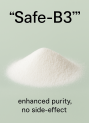
Safe-B3™ (Vitamin B3, Niacinamide)
GlucoBright™ (Acetyl Glucosamine)
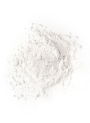
Vitamin C (L-ascorbic acid) (Ultra-Fine)
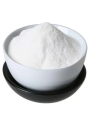
Vitamin C (L-ascorbic acid) (Fine)
Silicone Gel (Ultra Clear, Super Silky)
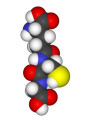
Glutathione (L-Glutathione) (Extrasol)