Vitamin C Serum Formulation Adjustment for Stability and Gel-Cream Texture
Question
I have a proposed formula for a Vitamin C serum and want to know if it is feasible and what adjustments are needed. The goals are to make it suitable for FDA registration, stable, a gel-cream texture that can be used in a pump bottle, and to exclude Hyaluronic Acid.
Here is the proposed formula:
- L-ascorbic acid Ultra-Fine: 15.00%
- Tocopherol: 2.00%
- Ferulic Acid: 1.00%
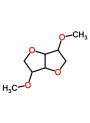
- DMI: 3.00%
- 1,2-Hexanediol: 3.00%
- Phospholipid: 2.00%
- Phloretin: 2.00%
- Ethyl Alcohol (99.9%): 4.00%
- Pro Polymer (Gel Maker): 2.00% (Previously tried 1% and it was unstable, separated)
- LipidSoft™ Lite: 5.00%
- Protec OX™: 0.05%
- Protec UV™: 0.05%
- ActiveProtec™: 1.00%
- Disodium EDTA: 0.20%
- Phytic Acid: 0.20%
- ClayThick™: 0.50%
- Protec SQ™: 3.00%
- Coenzyme Q10: 0.50%
- Triethanolamine: 1.00%
- Panthenol ExtraLite™: 1.00% (Cannot add 0.5% as listed on the website)
- Purified Water: Balance to 100%
Is this formula feasible? What adjustments are needed to achieve a stable gel-cream texture suitable for a pump bottle, ensure L-ascorbic acid stability (pH not too high), and meet FDA requirements, while avoiding a liquid/clear texture?
Answer
Proposed Formula Modification for Vitamin C Gel-Cream
Based on your goal to create a stable Vitamin C gel-cream for pump packaging, suitable for FDA registration, and excluding Hyaluronic Acid, your proposed formula is a good starting point. It contains potent antioxidants and skin-benefiting ingredients. However, there are a few critical points to address regarding stability and texture to achieve your desired outcome.
Key Considerations and Suggestions:
Vitamin C Stability (L-Ascorbic Acid): L-Ascorbic Acid (15%) requires a low pH (ideally 3.5-4.0) for stability. Your formula includes Triethanolamine (alkaline) and Panthenol ExtraLite (high pH), which will raise the pH. Adding 1% Triethanolamine as listed will likely make the formula too alkaline for L-Ascorbic Acid to remain stable, leading to oxidation.
- Suggestion: After mixing the acidic components and thickeners/emulsifiers, carefully measure the pH. Add Triethanolamine slowly while mixing and monitoring the pH until it reaches the target range of 3.5-4.0. You will likely need less than 1% Triethanolamine.
Texture (Gel-Cream & Stability): You want a gel-cream texture suitable for a pump and noted that 1% Pro Polymer was unstable. Your proposed 2% Pro Polymer and 0.5% ClayThick will contribute to thickening.
- A significant challenge for a stable gel-cream containing both water and oil-soluble components (like LipidSoft Lite, Tocopherol, CoQ10, Protec series in the oil phase) is emulsification. Your formula lacks a primary O/W emulsifier. While Phospholipid can assist, it may not be sufficient to prevent separation of the oil phase from the water/gel phase, especially over time and in a pump bottle.
- Suggestion: Strongly consider adding a suitable O/W emulsifier that is compatible with low pH and electrolytes. This is crucial for creating a stable emulsion that results in a consistent gel-cream texture and prevents phase separation. You may need to adjust the levels of Pro Polymer and ClayThick once an emulsifier is included to achieve the desired viscosity.
FDA Registration: Ensuring the final pH is between 3.5-4.0 is essential for FDA compliance for leave-on products containing L-Ascorbic Acid. You also need an effective preservative system. While 1,2-Hexanediol helps, a primary preservative is typically required. The original base included Phenoxyethanol.
- Suggestion: Include a complete and effective preservative system in your formula. If using Phenoxyethanol, ensure it is at an appropriate concentration (e.g., 0.5-1%) and listed. Verify all ingredient percentages against current Thai FDA regulations.
Ingredient Incorporation: Ferulic Acid and Phloretin are powders that require proper dispersion/dissolution. Ferulic Acid is soluble in ethanol or DMI, not water. Phloretin disperses.
- Suggestion: Dissolve Ferulic Acid in the ethanol/DMI portion. Disperse Phloretin using high shear mixing, possibly in a small amount of the water phase or solvent blend before adding to the main batch.
Coenzyme Q10: This ingredient is sensitive to heat and light. Add it in the final step when the formula temperature is below 40°C. Opaque packaging is recommended.
Summary of Proposed Formula (with considerations):
- Purified Water (Balance to 100%)
- L-ascorbic acid (Standard) 15%
- Tocopherol 2%
- Ferulic Acid 1%
- DMI 3%
- 1,2-Hexanediol 3%
- Phospholipid 2%
- Phloretin 2%
- Ethyl Alcohol (99.9%) 4%
- Pro Polymer (Gel Maker) 2%
- LipidSoft™ Lite 5%
- Protec OX™ 0.05%
- Protec UV™ 0.05%
- ActiveProtec™ 1%
- Disodium EDTA 0.2%
- Phytic Acid 0.2%
- ClayThick™ 0.5%
- Protec SQ™ 3%
- Coenzyme Q10 0.5%
- Triethanolamine (Adjust pH to 3.5-4.0 - likely less than 1% needed)
- Panthenol ExtraLite™ 1%
- Recommended Addition: Suitable O/W Emulsifier (e.g., compatible with low pH/electrolytes) - percentage depends on chosen emulsifier.
- Recommended Addition: Preservative System (if not covered by 1,2-Hexanediol and other components) - e.g., Phenoxyethanol 0.5-1% or other suitable blend.
By carefully controlling the pH, ensuring proper emulsification, and including a robust preservative system, you can create a stable and effective gel-cream Vitamin C serum with the desired texture for pump packaging and suitable for FDA registration.
Related Products Mentioned
Pure-Ferulic Acid™
Vitamin E (dl-alpha tocopherol)
Triethanolamine 99%
Disodium EDTA
Pro Polymer™ (Gel Maker)
Panthenol (Vitamin B5) ExtraLite™

Coenzyme Q10 Extra

Purified Water, TDS Limit 1PPM)

Pure-Phloretin™
Vitamin C (L-ascorbic acid) (Standard)

Protec™ SQ
Dimethyl Isosorbide (DMI)
Phytic Acid (50% Liquid, Natural)