Vitamin C Serum Formulation: Compatibility, Texture, and Layering
Question
I am developing a light-textured serum with the following formulation. I have concerns about ingredient compatibility, especially regarding the emulsification of Cyclomethicone with Light Cream Maker, and if the Vitamin E percentage might make the texture too heavy. Also, how long should I wait after applying this serum before applying other creams? My formulation is:
- Stabilized Vitamin C 25%
- Vitamin B3 3%
- Propylene Glycol 3%
- Cyclomethicone 2%
- Light Cream Maker 1%
- Vitamin E 1%
- Other ingredients (Water, etc.)
Answer
Vitamin C Serum Formulation Feedback
Regarding your Vitamin C serum formulation and questions about compatibility and layering:
Ingredient Compatibility and Adjustments
Most of the ingredients you've listed are generally compatible in a serum formulation. However, there are a few points to consider based on your proposed percentages and desired texture:
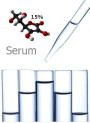
- Stabilized Vitamin C (25%): Your target concentration of 25% is quite high. Common stabilized forms like Ascorbyl Glucoside (AA-2G) typically have recommended usage rates up to 10%. Another option, Natural-C Glycol™ Serum, is a ready-made base with 15% L-Ascorbic Acid and is not designed for adding significant amounts of other ingredients. You should verify the maximum recommended usage rate for the specific "Stabilized Vit C" product you are using, as 25% might be too high or require a different form of Vitamin C or base.
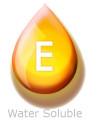
- Vitamin E (1%): While compatible, 1% Vitamin E, especially oil-soluble types like Tocopheryl Acetate or dl-alpha tocopherol, can contribute to a heavier or stickier feel, as noted in the product descriptions and forum replies. If you are aiming for a very light serum, you might consider reducing the percentage or using a water-soluble form of Vitamin E if available and suitable for your formula. If using an oil-soluble form in a water-based serum, a solubilizer like Flora Solve Clear might be needed to ensure it fully integrates.
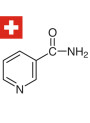
- Vitamin B3 (3%) and Propylene Glycol (3%): These ingredients are compatible and the percentages are within typical usage ranges for their intended functions (skin benefits for Vitamin B3, solvent/humectant for Propylene Glycol).
- Cyclomethicone (2%) and Light Cream Maker (1%): This combination is the main area for potential challenges, as discussed in the forum replies. Light Cream Maker™ is an emulsifier that can handle silicones like Cyclomethicone up to about 10%, but 1% Light Cream Maker might be on the lower side for effectively emulsifying 2% Cyclomethicone and achieving a stable, smooth texture, especially if you desire a noticeable silicone slip. For better silicone emulsification or a more pronounced silky feel, emulsifiers specifically designed for water-in-silicone systems, such as Warp Cream Maker™ or Warp Cream Maker™ XL, are generally more effective, although they might require different formulation techniques and could change the final texture significantly.
Recommendation: It's best to try making the formula as proposed first. Observe the texture and stability, particularly how well the Cyclomethicone integrates. If you encounter issues with emulsification or the texture is heavier than desired (possibly due to Vitamin E or the emulsifier system), consider adjusting the formula based on the points above, such as trying a different emulsifier for the silicone or adjusting the Vitamin E percentage/type.
Waiting Time Before Applying Other Creams
After applying a serum, especially one containing active ingredients like Vitamin C, it's a good practice to allow it to fully absorb into the skin before applying the next layer of product (like a moisturizer or sunscreen).
Generally, waiting 1 to 5 minutes is sufficient. You can tell it's ready when the serum no longer feels wet or overly tacky on your skin. This allows the serum's active ingredients to penetrate effectively and helps prevent different product layers from interacting negatively (like pilling or reduced efficacy).
Related Products Mentioned
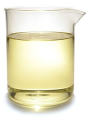
Vitamin E (Tocopheryl Acetate)
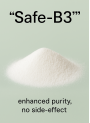
Safe-B3™ (Vitamin B3, Niacinamide)
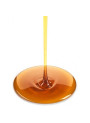
Vitamin E (dl-alpha tocopherol)
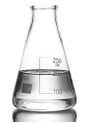
Propylene Glycol (USP)
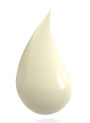
Light Cream Maker™
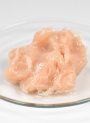
Warp Cream Maker™ (e.q. Nikkomulese wo)