Vitamin C Serum Formulation Issues: Settling and Texture in Oil/Silicone Base
Asked by: nid.544595
On: June 14, 2018
Product Type:
Cosmetics
Answered
Question
Regarding the following formulation:
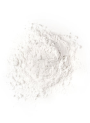
- Vitamin C (L-ascorbic acid) (Ultra-Fine) 15%
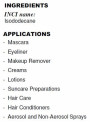
- Isododecane 25%
- LipidSoft™ Dry II 60%
I have encountered the following issues:
- Isododecane seems not to dissolve in LipidSoft™ Dry II. (Awaiting staff confirmation).
- Both ingredients lack the viscosity of Silicone Gel, causing the L-ascorbic acid powder to settle at the bottom.
I need advice on how to resolve these issues. I suspect using a substance that acts as both an emulsifier and thickener to combine the two ingredients and increase viscosity might prevent the Vitamin C powder from settling. I'm not sure if such a substance exists and would appreciate staff recommendations.
Answer
Based on the conversation, here are the answers to your questions regarding the Vitamin C Silicone Serum formula:
- How to measure pH: To measure the pH of this formula, you need to dilute it in water first. pH cannot be measured directly because the formula contains no water.
- Adding Protec™ UV: It is not necessary to add Protec™ UV as this type of formula is already stable. It is recommended to package the product in a container that blocks light well instead of clear or translucent packaging.
- Replacing Isododecane with Isohexadecane: Yes, you can replace Isododecane with Isohexadecane. It will not cause issues with L-ascorbic acid. However, the resulting texture will be heavier.
- Preservative: This formula does not strictly require a preservative because it contains no water. However, for commercial production, adding a small amount of preservative is advisable as a precaution against potential moisture contamination during consumer use.
- Adding Vitamin E (dl-alpha tocopherol 2%): Adding Vitamin E might cause separation because the formula does not contain an emulsifier.
- Replacing Silicone Gel with LipidSoft™ Dry II or LipidSoft™ Lite: Replacing Silicone Gel with LipidSoft™ Dry II or LipidSoft™ Lite can lead to separation because there is no emulsifier/thickener to keep the ingredients blended. The main issue is that the L-ascorbic acid powder will settle at the bottom instead of remaining dispersed in the formula.
- L-ascorbic acid dispersion: In this formula, L-ascorbic acid is dispersed, not dissolved, in Isododecane or Silicone Gel.
- Replacing Isododecane with Cyclopentasiloxane or Dimethicone 1Secs in the LipidSoft™ Dry II formula: If you replace Silicone Gel with a liquid oil like LipidSoft™ Dry II, the main challenge is preventing the L-ascorbic acid powder from settling. To address this, you would need to add an oil thickener or gelling agent suitable for oils. The staff suggested adding about 2% Oil-Fix™ O (which acts as an oil gelling agent) to help keep the Vitamin C Ultra-Fine dispersed in the oil base and prevent settling.
Related Products Mentioned
Vitamin C (L-ascorbic acid) (Ultra-Fine)
Cosmetics
Vitamin E (dl-alpha tocopherol)
Cosmetics
Silicone Gel (Ultra Clear, Super Silky)
Cosmetics
Isododecane (Germany)
Cosmetics
Isohexadecane
Cosmetics
Dimethicone 1Secs
Cosmetics
LipidSoft™ Dry II (Dicaprylyl Carbonate)
Cosmetics