Vitamin C Serum Formulation: Solubility and Stability Issues
Question
Based on an attempt to formulate a Vitamin C serum containing Ferulic Acid, which was noted as not possible due to the need for a solvent for Ferulic Acid (like Ethoxydiglycol), I have further questions regarding ingredient choices and formulation steps for such a serum:
- Can Polysorbate be used to replace Laureth-23 in this type of serum formulation?
- Is it correct practice to add Disodium EDTA to the water phase first when formulating?
- What are the key considerations for making a stable serum with high concentrations of L-Ascorbic Acid (15%) and Ferulic Acid, addressing solubility (specifically for Ferulic Acid) and stability issues?
Answer
Formulation Feedback and Recommendations
Regarding your proposed formula for a Vitamin C serum, the staff's feedback is correct. The formula as written is not viable primarily because Ferulic Acid requires a suitable solvent like Ethoxydiglycol or ethanol to dissolve properly. Your current formula does not include either of these ingredients.
Here are answers to your specific questions:
Can Polysorbate replace Laureth-23?
While both are surfactants, Laureth-23 is typically used as a solid emulsifier in the oil phase for creating cream or lotion textures. Polysorbates (like Polysorbate 20 or Polysorbate 80) are generally used as solubilizers or emulsifiers with different properties and mixing requirements. A direct substitution may not achieve the desired stability or texture for your serum, especially with high concentrations of actives like Ascorbic Acid. The choice of emulsifier/solubilizer depends heavily on the overall formula composition and desired outcome.Should EDTA be added to water first?
Yes, it is correct practice to add Disodium EDTA to the water phase first. EDTA is a chelating agent that binds to metal ions in the water, preventing them from interfering with and degrading sensitive ingredients like L-Ascorbic Acid. This step helps improve the stability and shelf life of the product.Overall Formula Viability:
Beyond the Ferulic Acid solubility issue, formulating a stable serum with high concentrations of L-Ascorbic Acid (15%) requires careful consideration of pH (typically between 2.0-4.0, with FDA recommending at least 3.5 for leave-on products) and the inclusion of stabilizing agents. The Polymer you included (such as ThixoGel or Sepimax Zen) can help with texture and stability, but the primary challenge for Ferulic Acid and L-Ascorbic Acid stability needs to be addressed by using appropriate solvents and potentially other antioxidants like Alpha Tocopherol.
To create a stable and effective serum containing Ferulic Acid and L-Ascorbic Acid, you would need to revise the formula to include a solvent for Ferulic Acid (like Ethoxydiglycol) and ensure all ingredients are compatible and stable at the required low pH for L-Ascorbic Acid.
Related Products Mentioned
Pure-Ferulic Acid™
Vitamin C (L-ascorbic acid) (Ultra-Fine)
Vitamin C (L-ascorbic acid) (Fine)
Vitamin E (dl-alpha tocopherol)
Ethoxydiglycol (e.q. Transcutol)
Laureth-23
Polysorbate 20 (Tween 20)

Polysorbate 80 (Tween 80)
Disodium EDTA
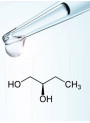
Butylene Glycol

ThixoGel™ (Thixotropic Gel Maker)

Vitamin C (L-ascorbic acid) (Standard)