Vitamin C Serum Formulation: Solubility, Stability, and Gelling Agents
Question
I want to make a Vitamin C (L-Ascorbic Acid) serum and have some questions about formulation, solubility, and stability.
- A website suggests heating Vitamin C to 50-70°C for dissolution. Is this necessary or recommended?
- I'm considering these formulations. Are they feasible and what are their properties/issues?
Ethoxydiglycol 80g, Vitamin C 20g- Suspending Vitamin C Ultra-Fine in Silicone Gel:
Silicone Gel 80g + Vitamin C 20g Ethoxydiglycol 50g, Water 30g, Vitamin C 20g
- Can Ethoxydiglycol be used interchangeably with Butylene Glycol for dissolving Vitamin C?
- Are antioxidants necessary in anhydrous Vitamin C formulas?
- How can I improve the gritty texture when suspending Vitamin C Ultra-Fine in silicone gel?
- What is the role of water and pH in Vitamin C stability?
- Is there a difference in solubility between Vitamin C 'Fine' and 'Ultra-Fine' grades?
- I also had a question about making a gel with Veegum and found it difficult to hydrate by just shaking. What is the proper method for gelling with Veegum? Are there easier alternatives for DIY gelling?
Answer
Regarding Veegum and Gelling
Veegum is a type of clay-based thickener. Unlike some synthetic polymers or gums that hydrate easily by simply mixing with water, Veegum often requires specific conditions to properly disperse and swell to form a gel or achieve significant viscosity. Simple shaking in plain water is usually not enough to fully hydrate the clay particles, resulting in a cloudy liquid with little to no thickening.
Achieving a stable gel with Veegum typically involves:
- Proper Dispersion: It often needs to be added to water slowly while stirring vigorously (high shear mixing) to prevent clumping.
- Full Hydration: It may require time to fully hydrate, sometimes overnight.
- Combination with other Thickeners: Often, a small amount of a water-soluble polymer (like Xanthan Gum or Carbomer) is used in combination with Veegum. The polymer helps to keep the clay particles suspended and enhances the overall viscosity and stability of the gel.
As mentioned by the staff, Veegum can be challenging to work with for DIY formulations. Easier alternatives for creating a gel texture include Xanthan Gum or Pro Polymer, which hydrate more readily in water.
Regarding Vitamin C Serum Formulation
Let's address your questions about the Vitamin C (L-Ascorbic Acid) serum formulations:
Formula: Ethoxydiglycol 80g, Vitamin C 20g: This formula is unlikely to work as intended. While Ethoxydiglycol is a solvent, L-Ascorbic Acid has limited solubility in it. A concentration of 20% Vitamin C will likely not fully dissolve and will precipitate out, as indicated by the staff. Antioxidants are less critical in anhydrous (water-free) formulas compared to water-based ones, but L-Ascorbic Acid is still prone to oxidation from air and light, so including antioxidants can still help improve stability.
Ethoxydiglycol vs. Butylene Glycol: Ethoxydiglycol and Butylene Glycol are both solvents, but they have different properties and different capacities to dissolve L-Ascorbic Acid. L-Ascorbic Acid is significantly more soluble in water (around 33%) than in glycols like Propylene Glycol (around 5%). Ethoxydiglycol's solubility for L-Ascorbic Acid is likely similar to or less than Propylene Glycol. Therefore, you cannot directly substitute Butylene Glycol with Ethoxydiglycol, especially in formulas aiming for high Vitamin C concentrations.
Vitamin C Ultra-Fine in Silicone Gel: Yes, it is possible to suspend Vitamin C (L-Ascorbic Acid) Ultra-Fine powder in a silicone gel base (like 80g silicone gel + 20g Vitamin C). This creates an anhydrous suspension formula, which helps improve the stability of L-Ascorbic Acid by avoiding water. However, as the staff mentioned, using only silicone gel and Vitamin C powder can result in a gritty texture upon application. Including a suitable lubricant in the formula is recommended to improve the skin feel.
Formula: Ethoxydiglycol 50g, Water 30g, Vitamin C 20g: This formula is technically possible because L-Ascorbic Acid is soluble in both water and Ethoxydiglycol. However, the presence of water (30%) will cause the L-Ascorbic Acid to oxidize relatively quickly, reducing the serum's effectiveness over time. To improve stability in a water-containing formula, the pH would need to be adjusted to a low range (ideally 2.0-4.0), but this can cause skin irritation.
Vitamin C Heat Stability: L-Ascorbic Acid is sensitive to heat and light, which accelerate its oxidation. While the 'Fine' grade might benefit from brief, gentle heat (50-70°C for 1-3 minutes) to aid dissolution, the 'Ultra-Fine' grade dissolves readily in water at room temperature. It is generally recommended to add L-Ascorbic Acid in the final step of your formulation, ensuring the temperature is below 30°C, to minimize heat exposure and preserve its potency.
For easier DIY gelling, consider using Xanthan Gum or Pro Polymer. For Vitamin C serums, anhydrous formulas (like suspending Ultra-Fine Vitamin C in silicone gel with a lubricant) offer better stability than water-based ones, although water-based formulas are possible if you manage the pH and accept a shorter shelf life.
Related Products Mentioned
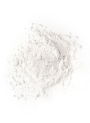
Vitamin C (L-ascorbic acid) (Ultra-Fine)
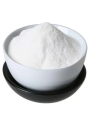
Vitamin C (L-ascorbic acid) (Fine)
Ethoxydiglycol (e.q. Transcutol)