Vitamin C Serum Formulation: Stability, AHA, and Thickeners
Question
I am interested in making a Vitamin C serum, specifically using L-Ascorbic Acid (LAA). I understand that LAA is unstable in water.
- If I make a water-free formula to avoid stability issues, do you have any recommended formulations? Is it necessary to include Glutathione in a water-free formula, or is it optional but beneficial?
- Can I add AHA to this Vitamin C serum? Will it cause excessive skin irritation?
- What thickeners can be used for these types of serums? I am considering
xanthan gumandHEC (hydroxy ethyl cellulose). Are these suitable?
Answer
Vitamin C Serum Formulation Advice
Thank you for your kind words about MySkinRecipes! We are happy to hear that the website is helpful.
Regarding your questions about formulating a Vitamin C serum, particularly with L-Ascorbic Acid (LAA):
1. Water-Free Formulas and Glutathione
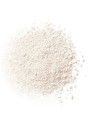
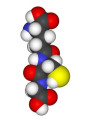
You are correct that L-Ascorbic Acid is unstable in water. To avoid this issue, you can indeed create a water-free (anhydrous) formula. A common approach is to use a silicone base, such as a silicone serum. The Vitamin C (L-ascorbic acid) (Ultra-Fine) grade is specifically suitable for anhydrous formulas because its small particle size helps with dispersion.
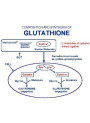
Regarding Glutathione, research suggests it can help slow down the oxidation of L-Ascorbic Acid, especially in water-based formulas. While beneficial for stability in water, it may not be strictly necessary in a completely water-free formula where the primary instability issue (reaction with water) is removed. However, adding antioxidants like Glutathione can still offer additional benefits to the skin.
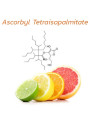
If you prefer to work with water-soluble Vitamin C derivatives that are more stable than L-Ascorbic Acid, you could consider options like Ethyl Ascorbic Acid, Ascorbyl Glucoside, or Sodium Ascorbyl Phosphate (SAP). There is also an oil-soluble, highly stable form called Perfect-C™ (Ascorbyl Tetraisopalmitate).
2. Adding AHA to Vitamin C Serum
While it is technically possible to combine L-Ascorbic Acid and AHA, it is generally not recommended because it will result in a very low pH (below 3.5). This low pH can cause significant skin irritation. For L-Ascorbic Acid to be effective and minimize irritation, the recommended pH range for the final product is typically between 3.5 and 4.0.
3. Thickeners for Serums
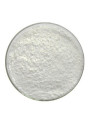
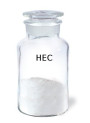
Yes, you can use thickeners like Xanthan Gum and Hydroxyethyl Cellulose (HEC) to increase the viscosity of your serum. These are common gelling agents used in cosmetic formulations. When selecting a thickener, it's important to consider its compatibility with the pH of your formula, especially if you are working with L-Ascorbic Acid which requires a low pH.
We hope this information helps you in formulating your Vitamin C serum! Feel free to ask if you have more questions.
Related Products Mentioned
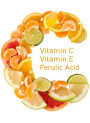
Vitamin C E Ferulic
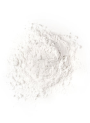
Vitamin C (L-ascorbic acid) (Ultra-Fine)
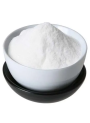
Vitamin C (L-ascorbic acid) (Fine)
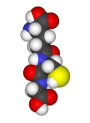
Glutathione (L-Glutathione) (Extrasol)

Vitamin C (L-ascorbic acid) (Standard)
Hydroxyethyl Cellulose (HEC) (4500mPa.s)
Hydroxyethyl Cellulose (HEC) (2800mPa.s)