Vitamin C Serum Formulation: Stability, Compatibility, and pH Challenges
Question
I am trying to formulate a Vitamin C (L-Ascorbic Acid) serum and have questions about ingredient compatibility and stability, especially when using different bases and incorporating other active ingredients. I have two proposed formulas:
Vitamin C Silicone Serum (Anhydrous)
- L-ascorbic acid 15%
- Isododecane 20%
- dl-alpha tocopherol 1%
- Allantoin 0.5%
- ALA 3%
- Azelaic acid 0.5%
- Silicone Gel 60%
Water-based Serum
- Part A: Tranexamic Acid 3%, Allantoin 0.1%, Distilled Water 50.9%
- Part B: Glycerin 3%, Ethoxydiglycol 20%, Laureth-23 3%, Vitamin E 1%, ALA 3%, Ferulic Acid 0.5%, Ethylhexylglycerin 0.5%
- Part C: Vitamin C (L-ascorbic acid) 15%, Allantoin 0.1%
- Part D: Ethylhexylglycerin 0.5%
- (If not viscous enough) Xanthan Gum 1%
My specific questions are:
- Is it true that L-Ascorbic Acid is unstable in water and requires specific pH or anhydrous bases?
- Can I use Alpha Lipoic Acid (ALA), Azelaic Acid, and Allantoin together in a Vitamin C Silicone Serum formula?
- Are the proposed formulas viable, and what are the potential issues with them (e.g., compatibility, stability, texture, pH)?
- How does Azelaic Acid work for melasma, and are there alternative ingredients for melasma that are more compatible with L-Ascorbic Acid?
- When using Tranexamic Acid, is it necessary to adjust pH with Citric Acid, or are there other methods?
Answer
Vitamin C (L-Ascorbic Acid) Serum and Other Ingredients
1. Vitamin C (L-Ascorbic Acid) with Water and Separating Ingredients
That is correct. L-Ascorbic Acid is a highly effective form of Vitamin C but is unstable in water. Especially when exposed to water and oxygen, it degrades easily. To create a stable L-Ascorbic Acid formula, formulators often avoid using water or use a very small amount (Anhydrous formulas) or adjust the pH to a suitable range (pH 2.0-4.0, FDA requires minimum 3.5).
If you want to include water-soluble ingredients in an Anhydrous L-Ascorbic Acid formula (like a Silicone Serum), these water-soluble ingredients will not dissolve in the oil or silicone base. This will cause the formula to be incompatible and separate. Separating the water-soluble ingredients and mixing them with the Anhydrous base just before each use is one way to maintain the stability of L-Ascorbic Acid in the Anhydrous base while still using water-soluble ingredients, but it may not be convenient for daily use.
For Water-based formulas (with water as the main component), adding L-Ascorbic Acid directly to water will cause it to degrade quickly, even if the pH is adjusted to the 2.0-4.0 range. Using other antioxidants like Ferulic Acid and Vitamin E can help slow down the degradation but cannot prevent it entirely.
2. Using Alpha Lipoic Acid (ALA), Azelaic Acid, Allantoin with a Vitamin C Silicone Serum Formula
Based on the properties of the ingredients:
- L-Ascorbic Acid: Water-soluble, requires low pH (2.0-4.0)
- Isododecane: Not water-soluble, soluble in silicones/hydrocarbons
- Silicone Gel: Silicone base, incompatible with water
- dl-alpha tocopherol (Vitamin E): Oil-soluble
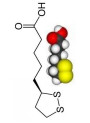
- Alpha Lipoic Acid (ALA): Soluble in oil, Propylene Glycol, Glycols
- Allantoin: Water-soluble (limited amount at room temperature), dissolves better in water+Glycerin or with warm water, requires pH 3-8 (best 4-8)
- Azelaic Acid (Liquid Azelaic™): Water-soluble, requires pH 5-11 (product pH approx. 4.5-8)
In a Vitamin C Silicone Serum formula, which is Anhydrous (no water) or very low water:
- ALA and Vitamin E can be used together as they are soluble in oil/silicone bases or Glycols.
- Allantoin and Azelaic Acid (Liquid Azelaic™), which are water-soluble, will not dissolve in the Silicone/Isododecane base. This will cause separation or precipitation, making the formula incompatible and unstable. This is why the forum mentioned that Azelaic Acid cannot be used in this formula.
Therefore, in an Anhydrous Vitamin C Silicone Serum formula, you cannot directly add water-soluble Allantoin and Azelaic Acid. If you want to use these ingredients, you might need to consider formulating an Emulsion that contains both water and oil/silicone phases, using an Emulsifier to combine them. However, creating a stable Emulsion with L-Ascorbic Acid in the water phase is very difficult and complex.
3. Reviewing the Proposed Serum Formulas
Formula 1 (Vitamin C Silicone Serum)
- L-ascorbic acid 15%
- Isododecane 20%
- dl-alpha tocopherol 1%
- Allantoin 0.5%
- ALA 3%
- Azelaic acid 0.5%
- Silicone Gel 60%
As mentioned above, this formula has compatibility issues with the water-soluble ingredients (Allantoin, Azelaic Acid) and the non-aqueous Silicone/Isododecane base. These ingredients will not dissolve in this base, causing the formula to be non-homogeneous and unstable. Mixing all ingredients together before adding Silicone Gel would still result in the water-soluble ingredients not dissolving in the final non-aqueous base.
Formula 2 (Water-based Serum)
- Part A: Tranexamic Acid 3%, Allantoin 0.1%, Distilled Water 50.9%
- Part B: Glycerin 3%, Ethoxydiglycol 20%, Laureth-23 3%, Vitamin E 1%, ALA 3%, Ferulic Acid 0.5%, Ethylhexylglycerin 0.5%
- Part C: Vitamin C (L-ascorbic acid) 15%, Allantoin 0.1% (likely a split amount of Allantoin or a typo)
- Part D: Ethylhexylglycerin 0.5% (likely a split amount of Ethylhexylglycerin or a typo)
- (If not viscous enough) Xanthan Gum 1%
This formula is Water-based and uses Laureth-23 as an Emulsifier, indicating an attempt to create an Emulsion.
- Compatibility and Solubility: Most ingredients in Part A and Part B are compatible and soluble in the appropriate solvents (water, Glycols, Ethoxydiglycol) as per their properties. However, adding L-Ascorbic Acid (Part C) to a formula with water as the main component will expose L-Ascorbic Acid directly to water, leading to its degradation over time. While Ferulic Acid and Vitamin E help, they cannot completely prevent degradation.
- pH: L-Ascorbic Acid requires a low pH (2.0-4.0) for efficacy and stability. Tranexamic Acid works well at pH 3-8, and Azelaic Acid (Liquid Azelaic™) works well at pH 5-11. Combining these ingredients in a single Water-based formula and trying to maintain the pH in the stable range for L-Ascorbic Acid (around 3.5) might reduce the effectiveness of Tranexamic Acid and Azelaic Acid, or cause instability (especially for Azelaic Acid at pH below 5).
- Viscosity: Using 1% Xanthan Gum will result in a very high viscosity, which might feel sticky or uncomfortable on the skin, as noted in the forum feedback.
Overall, this Water-based formula is complex to stabilize L-Ascorbic Acid and may have issues with the effectiveness of other ingredients that work best at different pH ranges.
4. Azelaic Acid for Melasma and Other Options
Azelaic Acid (especially the water-soluble Liquid Azelaic™ type) has properties that help reduce melasma, dark spots, control oiliness, and reduce acne. However, its optimal working pH range is quite high (5-11), which conflicts with the low pH needed for L-Ascorbic Acid. If you want to focus on melasma reduction while still using L-Ascorbic Acid, you might consider using other skin brightening ingredients that work well in a similar low pH range as L-Ascorbic Acid, such as Tranexamic Acid, which works well at pH 3-8.
5. Adjusting pH with Citric Acid when using Tranexamic Acid
According to the Staff's advice, using 3% Tranexamic Acid in a formula might not raise the pH significantly enough to require drastic adjustment downwards. A better approach for pH adjustment in complex formulas is to try and adjust the proportions of existing ingredients that affect pH, such as reducing the amount of Triethanolamine (which increases pH) or increasing the amount of L-Ascorbic Acid itself (which is acidic and helps lower pH), instead of adding a new pH adjusting ingredient (like Citric Acid). Adding a new ingredient can sometimes introduce other compatibility issues or affect the overall balance of the formula. The most important step is to test and measure the actual pH of the formula after mixing to ensure it is in the desired range (for an L-Ascorbic Acid formula, it should be around 3.5).
In summary, formulating an effective and stable L-Ascorbic Acid serum is challenging, especially when trying to combine it with other ingredients that have different solubility properties or optimal working pH ranges. Anhydrous formulas (Silicone Serum) are suitable for L-Ascorbic Acid but not for water-soluble ingredients. Water-based formulas can incorporate water-soluble ingredients more easily, but L-Ascorbic Acid will degrade much faster. Following tested standard formulas or starting with less complex formulations might be a good approach for beginners.
Related Products Mentioned

Allantoin
Pure-Ferulic Acid™
Vitamin C (L-ascorbic acid) (Ultra-Fine)
Vitamin E (dl-alpha tocopherol)
Ethoxydiglycol (e.q. Transcutol)
Propylene Glycol (USP)
Triethanolamine 99%
Laureth-23
Glycerin (USP/Food Grade)
Alpha Lipoic Acid (ALA) (Powder)


Isododecane (Germany)
Ethylhexylglycerin
Tranexamic Acid (Trans-White™)