Vitamin C Serum Formulation: Texture and Stability
Asked by: borifle
On: July 24, 2015
Product Type:
Cosmetics
Answered
Question
I have a formula for a Vitamin C serum and would like to know about its texture and stability. The formula includes:
- Water: 77%
- SiliSolve™: 1%
- Cyclomethicone: 5%
- Pro Polymer™: [User specified percentage]
- Vitamin C (L-ascorbic acid) Ultra-Fine: 15%
My questions are:
- Will this formula result in a thick gel texture?
- What is the expected shelf life or stability, particularly for the Vitamin C (L-ascorbic acid), considering the high water content?
- Is this formula suitable for oily skin or less greasy than a C E Ferulic type formula?
Answer
Formula Feedback: Vitamin C Serum
The proposed formula, containing Water, SiliSolve™, Cyclomethicone, Pro Polymer™, and Vitamin C (L-ascorbic acid) Ultra-Fine, is likely to result in a light serum texture rather than a thick gel.
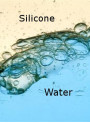
- Texture: SiliSolve™ is designed to bind water and silicone phases, creating serum or cream textures, especially with a high water percentage like 77% and the presence of Cyclomethicone. Cyclomethicone is a lightweight, fast-evaporating silicone that contributes to a non-greasy, smooth feel, which is suitable for oily skin and addresses your concern about the greasiness of the C E Ferulic formula. Pro Polymer™ is a water-based gel maker, but in this water-in-silicone system facilitated by SiliSolve™, its primary thickening effect might be less pronounced, aligning with the staff's feedback that it might not be necessary for a light serum texture.
- Stability and Oxidation: L-ascorbic acid (Vitamin C) is highly effective but inherently unstable, particularly in water-based solutions like this formula (77% water). It is prone to oxidation when exposed to water, light, heat, and air, which reduces its potency and can cause discoloration. While maintaining a low pH (2.0-4.0) is crucial for L-ascorbic acid stability and efficacy, it does not prevent oxidation entirely. The speed of degradation depends heavily on environmental factors and storage conditions.
To maximize the shelf life and stability of the Vitamin C in this formula, consider:
- Using airtight and opaque packaging to minimize exposure to air and light.
- Storing the product in a cool environment, ideally refrigerated (6-8°C), as recommended for L-ascorbic acid.
- Adding antioxidants (like Ferulic Acid or Vitamin E, if compatible with a non-greasy feel, or water-soluble alternatives) and chelating agents to help protect the Vitamin C from degradation.
In summary, the formula should provide a light, non-greasy serum suitable for oily skin, but the stability of the L-ascorbic acid will be the main challenge, and its shelf life will depend significantly on formulation adjustments and storage.
Related Products Mentioned
Vitamin C E Ferulic
Cosmetics
Vitamin C (L-ascorbic acid) (Ultra-Fine)
Cosmetics
Pro Polymer™ (Gel Maker)
Cosmetics