Vitamin C Serum Formulation: Texture, Oily Skin, and Mixing
Question
Regarding a Vitamin C serum formulation containing L-Ascorbic Acid, Cyclopentasiloxane, Isododecane, Silicone Gel, and Mild Preserved Eco: Is this formula suitable for oily skin and will it cause acne? What will the texture be like (lightweight)? Can the ingredients be mixed manually as proposed (silicones/isododecane first, then Vitamin C/preservative)? Will the resulting texture be a clear, soft gel? How can the formula be adjusted to create a thicker, more adherent gel?
Answer
Vitamin C Serum Formulation Analysis
Based on the ingredients and their properties:
- Suitability for Oily Skin and Acne: The primary components of this formula are silicones (Cyclopentasiloxane and Silicone Gel) and Isododecane. These ingredients are generally considered non-comedogenic, meaning they are unlikely to clog pores and cause acne for most people. They provide a lightweight, non-greasy feel, which is often preferred for oily skin types. However, individual skin reactions can vary.
- Texture: Yes, the texture will be lightweight. Cyclopentasiloxane and Isododecane are volatile emollients that evaporate quickly, leaving a dry, silky feel. The Silicone Gel (Ultra Clear, Super Silky) is designed to provide a soft, smooth, and light texture. The high percentage of these ingredients will result in a serum that feels very light and spreads easily on the skin.
- Mixing Method: Your proposed mixing method (mixing Cyclopentasiloxane, Isododecane, and Silicone Gel first, then adding Vitamin C and Mild Preserved Eco) is chemically sound.
- Cyclopentasiloxane, Isododecane, and Silicone Gel are all miscible with each other, forming a homogenous silicone/oil phase (Group A).
- Vitamin C (L-Ascorbic Acid Ultra-Fine) is a powder that disperses well in anhydrous (water-free) systems like this silicone base.
- Mild Preserved Eco is dispersible in oil/silicone phases.
- Combining Group A and Group B by adding B to A is a valid approach.
- Manual Mixing: While the components are compatible, achieving a perfectly smooth and homogenous product, especially ensuring the Vitamin C powder is fully dispersed without clumping, might be challenging with just hand stirring. Gentle mechanical stirring or using a small mixer is generally recommended for better dispersion and a more stable, uniform texture.
- Resulting Texture: Yes, the resulting mixture should have a clear, soft gel-like texture with a silky feel, consistent with a silicone-based serum. The Silicone Gel is the primary ingredient providing this structure.
- Making it a Thicker, More Adherent Gel: The current formula is designed to be lightweight and quick-drying due to the volatile components. To create a thicker gel that adheres more to the skin, you would typically need to increase the concentration of the gelling agent or use a different type of gelling agent. Increasing the percentage of the Silicone Gel (Ultra Clear, Super Silky) in your formula could help make it thicker and more adherent. Alternatively, you could explore other silicone elastomers or oil-soluble gelling agents specifically designed to create more viscous or film-forming textures in silicone/oil bases.
In summary, the formula is likely suitable for oily skin due to its lightweight, non-greasy nature. The texture will be a light, silky gel. The mixing method is chemically correct, but manual mixing might not yield the smoothest result. To make it a more adherent gel, consider increasing the Silicone Gel percentage or using a different gelling agent.
Related Products Mentioned
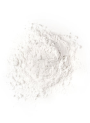
Vitamin C (L-ascorbic acid) (Ultra-Fine)
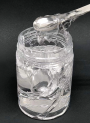
Silicone Gel (Ultra Clear, Super Silky)
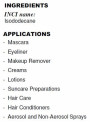
Isododecane (Germany)