Vitamin C Serum Formulation: Texture, Stability, and Wine
Question
I am developing a Vitamin C serum formulation, inspired by the Skinceuticals C E Ferulic type. I have a few questions regarding ingredients and product properties:
1. Can wine be added to the facial serum formulation? Is it suitable for skin use?
2. How can I achieve a texture that is a "sticky liquid" but still feels "comfortable" when used as a mask?
3. What ingredients or methods are needed to make the product last "up to a year"?
Answer
Making Vitamin C Serum and Formula Improvement
Regarding your interest in making a Vitamin C serum, referencing the Skinceuticals C E Ferulic type formula, and your questions about adding wine, achieving a comfortable feel, and ensuring a long shelf life, here is some information:
Adding Wine
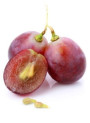
Adding wine directly to a facial serum is generally not recommended. Wine contains alcohol and various compounds that can be irritating or unstable in a cosmetic formulation, especially with sensitive ingredients like L-Ascorbic Acid. Instead of wine, cosmetic formulations often utilize beneficial compounds derived from grapes, such as Trans-Resveratrol or Grape Seed Extract, which are processed for stability and efficacy in skincare.
Texture and Comfortable Feel
Achieving a serum that is both a "sticky liquid" and feels "comfortable" can be challenging, as stickiness might not feel pleasant on the skin, particularly under a mask. To create a viscous or gel-like texture, you can use gelling agents or thickeners like Hyaluronic Acid. Different molecular weights of Hyaluronic Acid can provide hydration at various skin depths and contribute to texture. To improve the comfort and reduce excessive stickiness while maintaining viscosity, incorporating humectants and emollients like Glycerin is beneficial. Glycerin helps attract and retain moisture, making the serum feel smoother and more hydrating.
Long Shelf Life (Up to a Year)
Ensuring a shelf life of up to a year requires careful formulation, especially with an unstable ingredient like L-Ascorbic Acid.
- Preservation: A suitable preservative system is essential to prevent microbial growth. Phenoxyethanol is a common and effective preservative for water-based formulations. It is crucial to use a preservative at the recommended concentration (typically 0.5-1.0% for Phenoxyethanol) and ensure it is effective for your specific formula through a challenge test.
- Vitamin C Stability: L-Ascorbic Acid is prone to oxidation when dissolved in water, which degrades its effectiveness. To improve stability, consider:
- pH Control: Formulate the serum at a low pH (typically between 2.0-3.5) as recommended for L-Ascorbic Acid stability. Note that the FDA requires cosmetic products applied to the skin to have a pH of at least 3.5.
- Antioxidants: Including antioxidants like Vitamin E (dl-alpha tocopherol) and Pure-Ferulic Acid can significantly enhance the stability of L-Ascorbic Acid, similar to the Skinceuticals formula you mentioned. Ferulic Acid often requires a solvent like Ethoxydiglycol or ethanol as it is not water-soluble.
- Packaging and Storage: Use opaque, airless containers to minimize exposure to light and air. Storing the finished product in a cool, dark place or refrigerator is highly recommended for maintaining the potency of L-Ascorbic Acid and other sensitive ingredients like Trans-Resveratrol.
Creating a stable and effective Vitamin C serum requires attention to ingredient compatibility, pH, preservation, and proper storage. Always perform stability and challenge tests on your final formulation before long-term use or distribution.
Related Products Mentioned
Pure-Ferulic Acid™
Vitamin C (L-ascorbic acid) (Ultra-Fine)
Vitamin E (dl-alpha tocopherol)
Glycerin (USP/Food Grade)
Phenoxyethanol (Extra Pure)
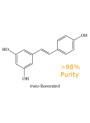
Trans-Resveratrol (Powder, 98%)