Vitamin C vs Alpha-Arbutin for Skin Brightening
Question
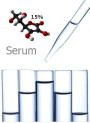
Based on personal experience finding 15% L-Ascorbic Acid effective for skin brightening compared to Vitamin B3, which is generally considered more effective for skin whitening between Vitamin C (specifically L-Ascorbic Acid) and Alpha-Arbutin, and how do they work?
Answer
Vitamin C vs Alpha-Arbutin for Skin Whitening
Both Vitamin C and Alpha-Arbutin are popular and effective ingredients for skin brightening, but they work through slightly different mechanisms.
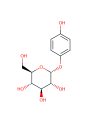
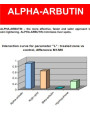
Alpha-Arbutin: This ingredient primarily works by inhibiting the enzyme Tyrosinase, which is crucial for the production of melanin (the pigment that gives skin its color). By reducing Tyrosinase activity, Alpha-Arbutin helps to decrease the overall production of melanin, leading to a lighter and more even skin tone. Research suggests Alpha-Arbutin is highly effective in inhibiting Tyrosinase and is considered one of the safest and most effective whitening agents available.
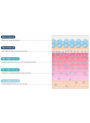
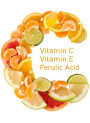
Vitamin C: L-Ascorbic Acid, the pure form of Vitamin C, is a potent antioxidant that helps protect skin cells from damage caused by free radicals, which can contribute to dark spots and uneven tone. It also plays a role in inhibiting melanin production by interfering with the Tyrosinase enzyme, similar to Alpha-Arbutin, though often through different pathways depending on the specific form of Vitamin C. Additionally, Vitamin C is known to stimulate collagen synthesis and improve skin texture and radiance.
Which is more effective?
Both ingredients are highly regarded for their whitening properties. Alpha-Arbutin is often cited for its strong, direct action on inhibiting Tyrosinase. Various forms of Vitamin C, particularly L-Ascorbic Acid and some stable derivatives like Ascorbyl Glucoside and Ethyl Ascorbic Acid, are also very effective for brightening and offer additional benefits like antioxidant protection and anti-aging effects.
The effectiveness can vary depending on the specific formulation, the concentration used, and individual skin response. As you mentioned in the shared experience, some people may see significant results with one ingredient (like Vitamin C in that case) while others might find another ingredient (like Vitamin B3 for their friend) more effective. This highlights that personal results can differ.
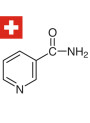
In many cases, formulators combine these ingredients or use them alongside others like Niacinamide (Vitamin B3) for a synergistic effect to target pigmentation through multiple pathways and provide broader skin benefits.
Ultimately, the "better" ingredient can depend on individual skin concerns, sensitivity, and how the skin responds to each ingredient in a particular product.
Related Products Mentioned
Alpha Arbutin (Switzerland)
Vitamin C E Ferulic
Safe-B3™ (Vitamin B3, Niacinamide)
Vitamin C (L-ascorbic acid) (Ultra-Fine)
Vitamin C (L-ascorbic acid) (Fine)
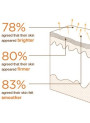
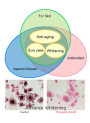

Vitamin C (L-ascorbic acid) (Standard)