Vitamin E Types (Tocopheryl Acetate vs. dl-alpha tocopherol) for Stabilizing Rosemary and Coconut Oils (1%) and FDA Compliance
Question
I am producing a blend of Rosemary Oil and Coconut Oil. I plan to add Vitamin E, specifically either Tocopheryl Acetate or dl-alpha tocopherol, at a concentration of 1% to act as an antioxidant and enhance stability. I need confirmation on the following points:
- Are both
Tocopheryl Acetateanddl-alpha tocopheroloil-soluble and compatible with Rosemary Oil and Coconut Oil? - Does the addition of either type of Vitamin E at 1% concentration help facilitate the FDA (อย.) approval process, similar to the practice used for Moringa oil?
Answer
The addition of Vitamin E, either as Tocopheryl Acetate or dl-alpha tocopherol, to Rosemary Oil and Coconut Oil at a 1% concentration is a suitable practice for increasing stability and is compatible with the oils.
Here is a breakdown of your questions:
1. Antioxidant Effect and Stability
- Compatibility and Solubility: Both Vitamin E (Tocopheryl Acetate) (ID 65) and Vitamin E (dl-alpha tocopherol) (ID 135) are oil-soluble and highly compatible with carrier oils like Rosemary Oil and Coconut Oil.
- Antioxidant Performance:
- dl-alpha tocopherol (ID 135): This form is the active Vitamin E and is generally more effective at protecting the oils from oxidation (rancidity) compared to the acetate form. However, it is less stable itself and has a shorter shelf life.
- Tocopheryl Acetate (ID 65): This is a more stable derivative but offers lower antioxidant efficiency for protecting the oil itself. It is often used for its skin benefits rather than solely as an oil stabilizer.
- Usage Rate: A 1% concentration is within the general usage range for both types. However, for the sole purpose of protecting the oil from oxidation, a much lower concentration (e.g., 0.01% for Tocopheryl Acetate) is often sufficient. If you are aiming for maximum stability, you might consider using Rosemary Oleoresin Extract (ID 167), which is highly effective, especially when combined with Vitamin E.
2. FDA (อย.) Approval
- Yes, adding an antioxidant like Vitamin E helps with the FDA (อย.) approval process.
- The FDA requires that cosmetic products maintain their quality and stability throughout their shelf life. By adding a stabilizer, you are ensuring the product (the oil blend) does not go rancid prematurely, which is crucial for passing stability tests required for registration. This principle applies to all natural oils, including Moringa oil, Rosemary oil, and Coconut oil.
Summary of Choice:
For the best stability of the oil blend, dl-alpha tocopherol (ID 135) is more effective as an antioxidant for the oil itself. However, if you are concerned about the stability of the Vitamin E itself in the final product, Tocopheryl Acetate (ID 65) is the more stable ingredient.
Related Products Mentioned
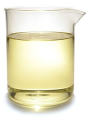
Vitamin E (Tocopheryl Acetate)
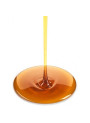
Vitamin E (dl-alpha tocopherol)