Warp Cream Formulation: Browning and Separation Issue
Question
My Warp Cream formulation turned into a clear brown liquid and separated in the second batch. The pH is 4-5. The water phase (A+B) contains the following ingredients:
- Sodium Hyaluronic 0.2%
- Butylene Glycol 2%
- Distilled Water 37%
- Allantoin 0.2%
- 2Na-EDTA 0.05%
- Vitamin B5 3%
- Vitamin B3 3%
- Vitamin C 3.5%
- Alpha arbutin 2%
What caused this issue?
Answer
Troubleshooting Your Warp Cream Formulation Issue
It appears you're encountering a common issue in your second batch of Warp Cream where the texture changed from an opaque white cream to a clear brown liquid, accompanied by a pH of 4-5. This is likely due to a combination of ingredient incompatibility and potential stability issues.
Probable Causes
Vitamin C and Niacinamide (Vitamin B3) Incompatibility: The most probable cause of the browning is the reaction between Ethyl Ascorbic Acid (your Vitamin C Ether form) and Niacinamide (Vitamin B3). These two ingredients are known to be incompatible in formulations and can react to form Niacin, which often causes a yellow to brown discoloration and can also destabilize the formula.
Vitamin C Oxidation: While Ethyl Ascorbic Acid is more stable than pure Ascorbic Acid, it can still oxidize, especially in the presence of metal ions. Factors like insufficient chelating agent (Disodium EDTA) or exposure to air during mixing can accelerate this.
Emulsion Breakdown: The change from a cream to a clear liquid indicates that your water-in-silicone emulsion, created with Warp Cream Maker, has broken. This breakdown is likely triggered by the degradation products from the Vitamin C/Niacinamide reaction interfering with the emulsifier system. Insufficient stabilization for a water-in-oil/silicone emulsion (such as not including Magnesium Sulfate, which is often recommended for Warp Cream Maker formulas) could also contribute.
Recommendations
To prevent this issue in future batches and achieve a stable, opaque cream texture, consider the following:
- Address Ingredient Incompatibility: The most critical step is to avoid combining Ethyl Ascorbic Acid and Niacinamide in the same formula. Choose one active based on your primary formulation goal, or explore alternative, compatible forms of Vitamin C if both effects are desired.
- Enhance Stability:
- Increase the concentration of Disodium EDTA to 0.2% to better chelate any potential metal ions in the water phase, which can catalyze oxidation.
- Consider adding an additional antioxidant or stabilizer specifically designed to protect Vitamin C derivatives, such as ActiveProtec™ OX, as recommended for Alpha Arbutin.
- Improve Emulsion Stability:
- Include 1% Magnesium Sulfate in your water phase. This is often recommended when using Warp Cream Maker in water-in-oil/silicone emulsions to enhance stability and prevent separation.
- Review your mixing procedure. Ensure you are using a high-speed blender (at least 1000 rpm) and adding the water phase to the oil/silicone phase gradually while blending continuously, as recommended for Warp Cream Maker.
- Review Raw Materials and Process: Ensure the quality and proper storage of all raw materials, especially the Vitamin C derivative, to minimize pre-oxidation.
By addressing the incompatibility between Vitamin C and Niacinamide and enhancing the stability of both the active ingredients and the emulsion system, you should be able to achieve the desired opaque cream texture and prevent the browning issue.
Related Products Mentioned
Vitamin E (Tocopheryl Acetate)
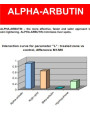
Alpha Arbutin (Switzerland)
Safe-B3™ (Vitamin B3, Niacinamide)

Allantoin
Disodium EDTA
Silicone Gel (Ultra Clear, Super Silky)
Warp Cream Maker™ (e.q. Nikkomulese wo)