Water-in-Oil Cream Formulation Issues and Correct Method
Question
I am trying to formulate a thick yet light Water-in-Oil (W/O) cream using the following ingredients:
- Water
- Glycerin
- Cyclomethicone
- Dimethicone (Light, Low-Odor)
- Mineral Oil (Paraffinum Liquidum) Light
- Water-in-Oil EZ / SiliSolve Plus™
- Carbomer
- Triethanolamine
- Polysorbate 20
- Nutto gum
My attempt resulted in a liquid texture instead of a cream. Could you please advise on the correct formulation approach, mixing method, and suggest a starting formula to achieve the desired thick but light W/O cream consistency?
Answer
Water-in-Oil Cream Formulation Guidance
Based on your desired thick but light Water-in-Oil (W/O) cream and the ingredients you listed, along with the feedback from the forum thread, here is a recommended approach:
For a Water-in-Oil emulsion using SiliSolve Plus™, the ingredients recommended by the staff are suitable:
- Water
- Glycerin
- Cyclomethicone
- Dimethicone (Light, Low-Odor)
- Mineral Oil (Paraffinum Liquidum) Light
- SiliSolve Plus™
Carbomer, Triethanolamine, and Polysorbate 20 are generally not needed when using SiliSolve Plus as the primary W/O emulsifier. Carbomer and TEA are typically used for thickening the water phase in Oil-in-Water (O/W) emulsions, and Polysorbate 20 is an O/W emulsifier.
Why your previous attempt resulted in a liquid:
The liquid result was likely due to the mixing method. For W/O emulsions using SiliSolve Plus, the correct method is to add the water phase slowly to the oil/silicone phase (which contains the emulsifier) while mixing with high shear. Your initial steps described adding the oil phase to the water phase, which is the opposite of the correct W/O method and will not form a stable W/O emulsion with these ingredients. The inclusion of Nutto gum might also interfere with the W/O emulsification process.
Suggested Starting Formula (Percentages):
Based on the ingredients and percentages discussed in the thread, here is a starting point. You may need to adjust slightly based on your desired final texture.
- Water: 69%
- Glycerin: 10%
- Cyclomethicone: 5%
- Dimethicone (Light, Low-Odor): 5%
- Mineral Oil (Paraffinum Liquidum) Light: 10%
- SiliSolve Plus™: 1%
- (Optional: Add a preservative at the recommended rate for your total formula weight, reducing the Water percentage accordingly.)
Mixing Instructions (Correct Water-in-Oil Method):
- Combine Oil/Silicone Phase: In a container, combine Cyclomethicone, Dimethicone, Mineral Oil, and SiliSolve Plus™. Mix these ingredients together well.
- Combine Water Phase: In a separate container, combine Water and Glycerin (and any other water-soluble ingredients like preservatives or actives). Mix these ingredients together until homogeneous.
- Emulsify: While mixing the Oil/Silicone phase with high shear (using a homogenizer or high-speed mixer is recommended for best results), slowly add the Water phase to it in a thin stream or drop by drop.
- Continue mixing until a smooth, homogeneous cream/emulsion forms. The mixing speed and time are critical for achieving stability and the desired texture in a W/O emulsion.
To achieve a thicker texture, you can experiment by slightly increasing the percentage of the oil/silicone phase relative to the water phase, or potentially increasing the SiliSolve Plus concentration within its recommended usage range. The ratio of silicone/oil phase to water phase significantly impacts the final texture.
The YouTube video linked in the thread (https://www.youtube.com/watch?v=u8GGITnUqx4) demonstrates the W/O emulsification process using a similar product and can be a helpful visual guide.
Related Products Mentioned
Glycerin (USP/Food Grade)
Dimethicone (Medium/350, Low-Odor)

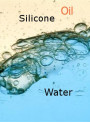
SiliSolve Plus™