Water-in-Oil Makeup Formula for Oily Skin: Stability and Texture Adjustment
Question
I am developing a makeup product similar to a 'clay powder' or pressed powder using a Water-in-Oil system with Water-Capsule™. The formula includes LipidSoft Lite, Dimethicone, Silicone Gel, Titanium Dioxide, Iron Oxides, Kaolin, BB Micro Silk, Silk Sericite, AminoSilk, and Magnesium Stearate.
- Is this Water-in-Oil formulation approach suitable for achieving a long-lasting, oil-controlling, and water-resistant makeup product?
- I've heard that some oils can cause makeup to look dark or patchy during the day. Is this true, and is it related to the oil content? The expert suggested reducing Dimethicone or removing Silicone Gel.
- For oily skin, is it advisable to reduce the overall oil/emollient/silicone content in the formula? How should I adjust these components to minimize greasiness and maintain a fresh look throughout the day?
Answer
Based on the discussion and the staff's replies:
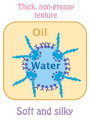
Regarding the proposed water-in-oil formula: The formula you proposed using a Water-in-Oil base (with Water-Capsule™) mixed with the specified powders is a valid approach for creating a "clay powder" type makeup. As suggested by cosmeceutical7, a water-in-oil system generally offers better adherence and water resistance compared to an oil-in-water system, which is beneficial for makeup like foundation or pressed powder aiming for long-lasting wear and oil control.
- The formula includes ingredients suitable for the desired properties: Water-in-Oil emulsifier (Water-Capsule™), emollients/silicones that provide a drier feel (LipidSoft Lite, Dimethicone, Silicone Gel), and standard makeup powders for coverage (Titanium Dioxide, Iron Oxides), oil absorption (Kaolin, BB Micro Silk), texture (Silk Sericite, AminoSilk), and binding (Magnesium Stearate).
- The staff's suggestion to reduce Dimethicone or remove Silicone Gel is aimed at optimizing the feel and potentially reducing any perceived oiliness or heaviness.
- While I cannot definitively say if it's the "best" formula without testing or comparing against others, it is a well-structured formula based on the principles discussed for achieving the desired properties.
Regarding oils causing darkening/patchiness and reducing oil content: The staff explained that the perceived "darkening" or dullness during the day is often due to the accumulation of oil/sebum on the skin surface, making the makeup look greasy or unclean, rather than the makeup itself changing color. Traditional oils can contribute to this feeling.
- Using emollients and silicones that provide a drier feel, such as LipidSoft Lite, LipidSoft Dry, or certain silicones, is a way to achieve the desired texture and binding without contributing as much to surface oiliness as traditional oils.
- Yes, the amount of oil/emollient/silicone in the formula can and should be adjusted based on your skin type and desired finish. For oily skin, using drier types and potentially lower percentages of these ingredients (while maintaining enough to bind the powder) is recommended to help control shine and maintain a fresh look throughout the day. The staff's suggestion to reduce Dimethicone is an example of such an adjustment.
In summary, your proposed water-in-oil formula is a suitable starting point for creating a long-lasting, oil-controlling, water-resistant "clay powder" makeup. You can adjust the type and amount of emollients/silicones, particularly favoring drier options like LipidSoft Lite or LipidSoft Dry and potentially reducing the total percentage, to best suit your skin type and minimize any potential for greasiness or dullness during wear.
Related Products Mentioned
Light Cream Maker™
Dimethicone (Medium/350, Low-Odor)
Silicone Gel (Ultra Clear, Super Silky)
BB Micro Silk™
Magnesium Stearate
Kaolin (China Clay, 200nm)
AminoSilk™ (Lauroyl lysine)
Beige Iron Oxides EasyMix™

LipidSoft™ Dry
Water-Capsule™ (Water-in-Oil Cream)