Waterproof Skin Marker Pen Ink Formulation
Question
I am looking for guidance on formulating a waterproof ink for a skin marker pen. The pen uses a polyester wick and a polyester fiber nib, similar to a general chemical marker pen. I need a formulation that is waterproof, non-sticky, flows well through the pen components, dries quickly, forms a durable film, and is safe for skin contact.
Answer
Key Components for Waterproof Skin Marker Pen Ink
Creating a waterproof marker pen ink for skin requires selecting cosmetic-grade ingredients that provide color, flow well through the pen's wick and nib, dry quickly, form a durable, waterproof film, and are safe for skin contact. Given the polyester wick and the need for water resistance, an oil or silicone-based formulation is generally more suitable than a purely water-based one, as these bases are less likely to cause the ink to bleed or smudge when exposed to water or sweat.
Here's a breakdown of the key components and suggested ingredients:
1. Pigment
For colors used on the skin, cosmetic-grade pigments are essential. These are safe and approved for dermal use. They are typically fine powders that need to be properly dispersed in the formula base.
- Examples:
- Romance Red Mica, bright red (size A): A bright red mica powder with small particle size, suitable for coloring and dispersible in silicones and oils.
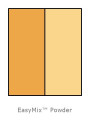
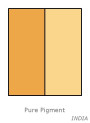
- FD&C Yellow No.5 Lake (India, 16% Dye): An organic pigment (Lake type) in yellow, dispersible in oil, suitable for makeup products.
2. Solvent
The solvent acts as a medium to disperse pigments and other components and helps the ink achieve the right viscosity to flow through the pen's wick and nib. For a waterproof and non-sticky formula, lightweight silicone or oil-based solvents are good choices.
- Examples:
- Dimethicone (Very Light/10, Low-Odor): A very light, odorless silicone that provides a smooth, non-sticky feel. It dissolves well in other silicones.
- Hemisqualane (C13-15 Alkane): A lightweight hydrocarbon derived from sugarcane, similar to Squalane but lighter. It absorbs quickly, is non-greasy, and is compatible with oils and silicones, contributing to a light texture and good spreadability.
Using Dimethicone or Hemisqualane as the primary solvent will help ensure the ink is non-sticky and compatible with the polyester wick and nib.
3. Binder / Film Former
This component is crucial for making the ink long-lasting and waterproof. It forms a thin film that adheres the pigment to the skin and provides water resistance.
- Example:
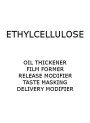
- Ethylcellulose (300 cps.): Acts as an oil thickener and film former. It dissolves in polar oils and ethanol with heat. When used in an oil/silicone-based formula, it helps create a waterproof film, making the color adhere well to the skin.
4. Preservative
Even in oil/silicone-based formulas, contamination can occur, especially with skin contact. Using an appropriate preservative helps prevent microbial growth.
- Example:
- 1,2-Hexanediol (Super-Purified, Odorless): A solvent with good antimicrobial properties that also acts as a preservative booster. It can be used as a standalone preservative at suitable concentrations or combined with other preservatives. It is soluble in water and can be incorporated into the formula.
5. Other Components (etc.)
Consider adding a dispersing agent compatible with the oil/silicone base to help pigments disperse evenly and prevent settling.
Basic Formulation Concept
For a waterproof skin marker pen ink using a polyester wick and nib, aiming for a non-sticky texture, an oil/silicone-based system can be considered:
- Prepare the Oil/Silicone Phase: Combine Dimethicone and/or Hemisqualane as the main base.
- Disperse Pigment: Add the chosen pigment (e.g., Romance Red Mica or FD&C Yellow No.5 Lake) and disperse thoroughly in the oil/silicone phase. Using a grinding or dispersing tool can help achieve fine, uniform particles.
- Dissolve Film Former: Add Ethylcellulose to the oil/silicone phase and heat according to usage instructions (typically around 70-85°C) until the Ethylcellulose dissolves and creates a film structure.
- Add Preservative: Once the mixture cools down (to the recommended temperature for the preservative), add 1,2-Hexanediol and mix well.
- Adjust Viscosity: If needed, adjust the viscosity by adding more Ethylcellulose or using Dimethicone with a different viscosity.
Additional Considerations:
- Wick Compatibility: Oil/silicone-based formulas are generally compatible with Polyester, but it's crucial to test the actual formula with the specific wick and nib to ensure proper flow.
- Pigment Concentration: Adjust the pigment amount to achieve the desired color intensity.
- Waterproof Testing: The resulting formula should be tested for waterproofness on the skin.
- Safety: All ingredients must be cosmetic grade and used within safe concentration limits.
Regarding the cost of raw materials and obtaining samples for testing, please contact directly via email, as this information is beyond the capabilities of this AI system.
Updated Review: May 2026
This section was added after reviewing the original answer against current product availability and formulation knowledge at the stated point in time.
Update as of 2026-05-24
The original anhydrous oil/silicone-based concept remains a reasonable starting direction for a waterproof cosmetic skin marker using a polyester wick and polyester fiber nib. However, pen flow is critical: a high-viscosity film-former system such as Ethylcellulose (300 cps.) may be too thick and can risk wick/nib starvation or clogging, especially after adding pigments or lake colors. Start trials with lower-viscosity Ethylcellulose grades such as 20 cps. or 50 cps., then increase film former only if water/rub resistance is insufficient.
For colorants, distinguish clearly between true oil-soluble dyes and dispersed pigments/lakes. Lakes, mica, and pigment powders such as FD&C Yellow No.5 Lake EasyMix™ do not simply behave like dissolved dyes; they must be well wetted, dispersed/deagglomerated, and tested for sedimentation and nib blockage. Oil-soluble dyes such as D&C Green 6 or D&C Red 17 may flow more easily, but still need checks for staining, migration/bleeding, removability, and suitability for the intended application area.
1,2-Hexanediol can support preservation, but should not be treated as a complete preservative system by itself. If the formula contains any water or water-based dispersion, use a complete preservative strategy and verify it by challenge testing. Use only colorants permitted for the exact intended cosmetic use area, and validate the final filled pen for dry time, tackiness, waterproofness, rub resistance, transfer, bleeding, irritation potential, microbial quality, storage stability, and actual compatibility with the polyester wick and nib.
Related Products Mentioned
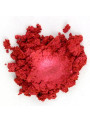
Romance Red Mica, bright red (size A)
FD&C Yellow No.5 Lake (India, 16% Dye)
Dimethicone (Very Light/10, Low-Odor)
Ethylcellulose (300 cps.)
C13-15 Alkane
Ethylcellulose (20 cps.)
Ethylcellulose (50 cps.)
Ethylcellulose (100 cps.)