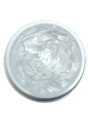
White Precipitate in Serum Formulation
Question
I need advice regarding a serum formulation I created with the following ingredients and percentages, which resulted in white sediment. How can I fix this?
Water 70%
AnyGel (Dehydroxanthan Gum) 1%
Glycerin 2%
Allantoin 0.1%
Niacinamide 4%
Repair Activator (Bifida Ferment Lysate) 4%
Tranexamic Acid 2%
Acetyl Hexapeptide-8 4%
Zinc PCA 1%
Phenoxyethanol 1%
Answer
Hello, thank you for consulting. Regarding the white precipitate in your serum formulation with the following ingredients:
- Water 70%
- AnyGel (Dehydroxanthan Gum) 1%
- Glycerin 2%
- Allantoin 0.1%
- Niacinamide 4%
- Repair Activator (Bifida Ferment Lysate) 4%
- Tranexamic Acid 2%
- Acetyl Hexapeptide-8 4%
- Zinc PCA 1%
- Phenoxyethanol 1%
White precipitates can occur due to several reasons, often related to the solubility and compatibility of the ingredients or the pH of the formulation. Based on your ingredients, here are some potential causes and solutions:
pH Level: The pH of your serum is crucial. Some ingredients like Allantoin, Zinc PCA, and Niacinamide have specific pH ranges where they are most soluble and stable. If the pH is too high or too low, it can cause them to precipitate.
- Solution: Check the pH of your final formulation. Aim for a pH range that is suitable for skin and the stability of your ingredients, typically between 5.0 and 6.0. You may need to adjust the pH using a suitable acid (like Citric Acid solution) or base (like Sodium Hydroxide solution).
Ingredient Compatibility and Solubility: Some ingredients might not be fully compatible when combined at these concentrations, or their solubility limits in water are being reached, especially in the presence of other dissolved solids and the thickener. Zinc PCA and Allantoin are common ingredients that can sometimes precipitate depending on the formulation environment.
- Solution: Ensure each ingredient is fully dissolved before adding the next. For ingredients with lower solubility (like Allantoin) or potential compatibility issues (like Zinc PCA), try dissolving them separately in a small amount of heated water or glycerin before incorporating them into the main batch. Adding ingredients in a specific order might also help (e.g., fully hydrate the gum first, then add water-soluble actives, adjusting pH towards the end).
Gum Hydration: If the AnyGel (Dehydroxanthan Gum) was not properly dispersed and fully hydrated, it might not form a stable gel structure, leading to separation or clumping, which could appear as white particles.
- Solution: Ensure the gum is completely hydrated in the water phase before adding other ingredients. This often involves dispersing the gum in glycerin first, then adding water with high-speed mixing, and letting it sit for some time to fully swell.
Concentration: While individual concentrations might be acceptable, the combined load of multiple active ingredients (Niacinamide 4%, Repair Activator 4%, Acetyl Hexapeptide-8 4%, Tranexamic Acid 2%, Zinc PCA 1%) might exceed the total solubility capacity of the system, especially with the thickener present.
- Solution: If adjusting pH and mixing order doesn't solve the issue, consider slightly reducing the concentration of one or more of the active ingredients to see if it improves clarity.
Water Quality: Using hard water can sometimes cause precipitation of certain ingredients due to mineral content.
- Solution: Use distilled or deionized water for your formulation.
Recommendation: Start by checking and adjusting the pH. If that doesn't work, review your mixing procedure, ensuring the gum is fully hydrated and potentially dissolving less soluble ingredients separately. Test these changes in small batches.
Related Products Mentioned
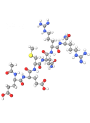
Acetyl Hexapeptide-8 (eq Argireline)
Safe-B3™ (Vitamin B3, Niacinamide)

Allantoin
Glycerin (USP/Food Grade)
Phenoxyethanol (Extra Pure)
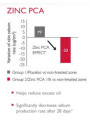
Zinc PCA
Tranexamic Acid (Trans-White™)