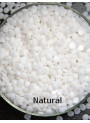
White spots in homemade lip balm (Fat Bloom)
Question
I made a lip balm using beeswax, cocoa butter, shea butter, mango butter, rice bran oil, grape seed oil, and essential oil. I initially had issues with the texture/separation (as discussed previously). Now, after cooling and storage, I'm seeing white spots appear, especially when chilled or stored at cooler temperatures (around 25°C) compared to warmer temperatures (around 30°C).
- What are these white spots? Is the product spoiled?
- Is chilling the lip balm necessary?
- Should I add lecithin or preservatives to this formula?
Answer
Hello,
Thank you for reaching out and providing detailed information about your lip balm making process and the issues you're encountering.
Based on your description and the ingredients used (beeswax, cocoa butter, shea butter, mango butter), the white spots you are seeing are very likely fat bloom or wax bloom. This is a common phenomenon in products containing natural fats and waxes, especially butters like cocoa butter and shea butter.
What is Fat Bloom?
Fat bloom occurs when the different fats and waxes in your lip balm crystallize at different rates or into unstable forms. Over time, these unstable crystals can rearrange and migrate to the surface or within the product, appearing as white, powdery spots or patches. It is primarily a cosmetic issue and does not necessarily mean the product is spoiled in terms of microbial contamination.
Why is it happening?
The main triggers for fat bloom are:
- Rapid Cooling: Chilling the lip balm in the refrigerator causes the fats to solidify too quickly, promoting the formation of unstable crystal structures.
- Temperature Fluctuations: Storing the product in conditions where the temperature changes significantly can also cause fats to melt and recrystallize, leading to bloom.
- Ingredient Composition: Some fats, like cocoa butter, are particularly prone to polymorphism (crystallizing into different forms), making them more susceptible to bloom.
Your observation that the batch stored at a slightly warmer temperature (around 30°C) did not develop spots, while those stored at cooler temperatures (around 25°C) or chilled did, strongly supports that this is fat bloom related to temperature and cooling rate. The batch with more essential oil might have had its crystallization properties altered, potentially accelerating the bloom.
How to Prevent Fat Bloom:
The best way to prevent fat bloom is to control the cooling process:
- Cool Slowly: After pouring the melted mixture into containers, allow them to cool and solidify slowly at room temperature instead of placing them in the refrigerator. This encourages the fats to form more stable crystal structures.
- Avoid Temperature Fluctuations: Store the finished product in a cool, stable environment, avoiding significant changes in temperature.
Regarding your other questions:
- Is it spoiled? The white spots themselves are likely fat bloom, not microbial spoilage. However, since you are using natural oils (like rice bran oil and grape seed oil) and not a preservative or antioxidant, there is a possibility of the oils going rancid over time, especially if exposed to air, light, or heat. Rancidity would typically manifest as an unpleasant odor. Adding an antioxidant like Vitamin E (Tocopherol) can help extend the shelf life of the oils against rancidity.
- Is chilling necessary? No, chilling is not necessary and actually contributes to fat bloom. Slow cooling at room temperature is recommended.
- Lecithin and Preservatives: Lecithin is an emulsifier used to mix oil and water. Since your lip balm formula appears to be anhydrous (contains no water), lecithin is not needed for emulsification. Anhydrous products generally do not require preservatives against microbial growth because microbes need water to grow. Therefore, you do not need a preservative for microbial spoilage in this formula unless water is somehow introduced. As mentioned, an antioxidant can be added to prevent oil rancidity.
Lip Balm Formulation:
Achieving the desired texture involves balancing the different components. A general guideline for a lip balm formula might be:
- Waxes (e.g., Beeswax): Provide structure and hardness. Typically 15-25%.
- Butters (e.g., Cocoa, Shea, Mango): Contribute body, texture, and emollience. Typically 40-60%.
- Liquid Oils (e.g., Rice Bran, Grape Seed, Fractionated Coconut): Provide glide, moisture, and adjust hardness. Typically 20-30%.
Your current formula uses equal parts by weight, which might result in a softer balm depending on the specific oils and butters used. Experimenting with these ratios and ensuring proper cooling will help you achieve the desired texture and prevent bloom.
The staff's suggestion to use Water Balm™ (Product ID 963) at 5% is typically for creating water-in-oil balms or improving texture in some formulations. While it might affect the overall feel, it doesn't directly prevent fat bloom which is a crystallization issue of the fats/waxes themselves in an anhydrous system. Focusing on controlled cooling is the primary solution for bloom.
We hope this explanation helps! Please feel free to ask if you have more questions.
Best regards,
MySkinRecipes Team
Related Products Mentioned
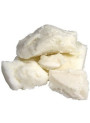
Shea Butter (Refined , Deodorised)
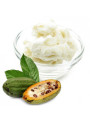
Cocoa Butter (Deodorized, Refined)