Whitening Agents and Oils for Bar Soap Formulation
Question
Which whitening agents can be added during the bar soap making process? Also, can the oils available on this website be used for making bar soap?
Answer
Whitening Agents and Oils for Bar Soap
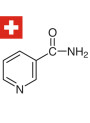
Regarding whitening agents that can be used in bar soap making, common options include Vitamin B3 (Niacinamide) and Lactic Acid. These ingredients are often chosen for their potential skin brightening benefits.
Vitamin B3 (Niacinamide):
This ingredient is known for its ability to help reduce hyperpigmentation and improve skin tone. It is water-soluble and has some heat resistance, which makes it potentially suitable for inclusion in soap making, although its stability and effectiveness at the high pH of bar soap should be considered.Lactic Acid (AHA):
Lactic Acid is an Alpha Hydroxy Acid (AHA) primarily used for exfoliation, which can lead to brighter skin. However, AHAs are most effective at acidic pH levels (typically below 4.0). Bar soap has a high alkaline pH (usually 9-11), which would significantly reduce or neutralize the exfoliating and whitening efficacy of Lactic Acid. While it might offer some moisturizing properties, its primary function as a whitening exfoliant is limited in bar soap.
Regarding the use of oils from this website for bar soap making, yes, oils available on this website can be used to make bar soap. The key is to select good quality, fresh oils. Different oils have different fatty acid profiles, which will affect the final properties of the soap, such as hardness, lather, and moisturizing feel. You can choose oils based on the desired characteristics of your soap.
When incorporating active ingredients like Vitamin B3 or Lactic Acid into bar soap, it's important to consider the high pH environment and the wash-off nature of the product, as these factors can impact the ingredient's performance.
Related Products Mentioned
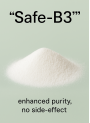
Safe-B3™ (Vitamin B3, Niacinamide)