Whitening and Brightening Ingredients for Natural Soap
Question
Besides Lactic Acid, what other ingredients can be added to natural soap for skin whitening and brightening, specifically including Vitamin C and Collagen? What are the appropriate usage percentages for these ingredients?
Answer
Skin Whitening and Brightening Ingredients for Natural Soap
For achieving white and radiant skin in natural soap formulations, both synthetic and natural ingredients can be used. It's important to note that the appropriate percentage for each ingredient can vary depending on the specific ingredient, its concentration, and the overall soap formulation. Always start with a lower percentage and test for irritation.
Synthetic Ingredients for Whitening and Brightening
Several synthetic ingredients are effective for skin brightening by targeting melanin production:
- Activated Resorcinol (4-Butyl Resorcinol): Works by inhibiting tyrosinase and peroxidase enzymes, reducing pigment transfer. For wash-off products like soap, it can be used up to 2%. For leave-on products, the maximum recommended rate is 1%. It is light-sensitive and requires careful formulation (e.g., adding Disodium EDTA).
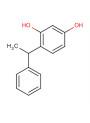
- Phenylethyl Resorcinol (e.q. SymWhite 377): A highly effective tyrosinase inhibitor and antioxidant. It is considered safe and potent even at low concentrations. Recommended usage rate for leave-on products is 0.1-1.0% (recommended 0.5%). While specific soap usage isn't detailed, its high efficacy suggests a low percentage would be needed, and testing in the soap base is crucial.
- Tranexamic Acid: Helps reduce melanin formation and is effective for blemishes caused by sunlight. It is water-soluble and can be used up to 3% in cosmetics (higher concentrations require drug registration). The formula pH should be in the range of 3-8.
- Hexylresorcinol AF (e.q. Hentowhite): A water-soluble alkylresorcinol that inhibits tyrosinase, affects TRP1 and TRP2 enzymes, and inhibits melanosome transfer. It can be used at a rate of 1-3% in whitening formulations.
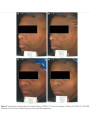
- Pep-Even™ (Tetrapeptide-30): A peptide that inhibits pigment transfer from melanocytes to keratinocytes, helping to even out skin tone. It is water-soluble and used at 0.5-5.0%. It should not be exposed to heat.
For synthetic ingredients in wash-off products like soap, generally, slightly higher concentrations might be tolerated compared to leave-on products, but it is crucial to adhere to recommended maximum usage rates and perform stability and irritation testing in your specific soap base.
Natural Extracts for Whitening and Brightening
Natural extracts can also contribute to a brighter complexion:
- Licorice Extract (Glabridin): Contains Glabridin, known for its whitening and anti-irritation effects by inhibiting tyrosinase. The water-soluble type with 4.5% Glabridin is used at 1-2%. Avoid heat during mixing.
- Lemon Peel Bioferment (Lemon Skin™): Acts as a tyrosinase inhibitor and antioxidant. It is effective at suppressing pigmentation. Recommended usage rate is 0.5-5% (recommended 2-3%). Mix in the final step below 40°C, with pH between 3.5-7.
- White Tea Extract: Primarily used for its natural scent in cosmetic formulas. While it has antioxidant properties, there is limited research on its direct skin whitening efficacy compared to other ingredients. Usage rate is 0.5-5%.
The appropriate percentage for natural extracts can vary widely depending on the extraction method and the concentration of active compounds. Always follow the supplier's recommended usage rate.
Other Relevant Ingredients
- Lactic Acid (AHA): As mentioned in the conversation, Lactic Acid helps exfoliate dead skin cells, leading to smoother, brighter skin. For consumer products, the concentration should not exceed 10% and the product pH should not be lower than 3.5. Lactic Acid Neutralized is a pH-adjusted version that is less irritating.
- Vitamin C: Various forms of Vitamin C offer brightening and antioxidant benefits. Stable, water-soluble forms like Ethyl Ascorbic Acid (usage rate 1-10%, recommended 3%, pH 3.5-6.0) and Sodium Ascorbyl Phosphate (SAP) (usage rate 0.5-10%, recommended 3%, pH 7-9) are suitable for formulations. L-Ascorbic Acid is less stable.
- Niacinamide (Vitamin B3): While not a direct whitening agent in the same way as tyrosinase inhibitors, Niacinamide (Safe-B3™) helps reduce redness and hyperpigmentation, improves skin barrier function, and can enhance overall skin tone. It can be used at 1-10% (Safe-B3™ up to 10% with less flushing). It is water-soluble and stable in pH 3-8.
Regarding Collagen, as noted previously, it is not recommended for topical application in soap as it cannot effectively penetrate the skin to provide benefits.
In summary, selecting the right ingredients and carefully determining their percentages through testing is key to creating an effective and non-irritating natural whitening soap.
Related Products Mentioned
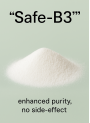
Safe-B3™ (Vitamin B3, Niacinamide)
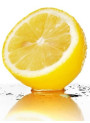
Lemon Peel Bioferment (Lemon Skin™)
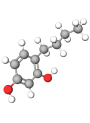
Tranexamic Acid (Trans-White™)
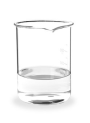
Lactic Acid (AHA) 90%
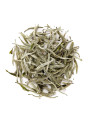
White Tea Extract
Pep-Even™ (Tetrapeptide-30)