Whitening Cream Formulation for Research Project (Centella Asiatica & Vitamin C)
Question
I want to develop a whitening cream formula for a 1-year research project using Centella Asiatica oil and L-Ascorbic Acid as key ingredients. Could you provide guidance on the formulation steps, ingredient selection, and stability considerations?
Answer
Guidelines for Making Whitening Cream for a Project
Creating a whitening cream using natural oils (specifically Centella Asiatica oil) and L-Ascorbic Acid for your research project is a very interesting topic. Making a cream requires key components to achieve a stable texture and desired efficacy.
Based on your inquiry and the search results, here are the relevant ingredients:
Key Ingredients to Consider
Centella Asiatica Extract
- Although the search did not find "Centella Asiatica oil" directly, it found Centella Asiatica extracts with high concentration and skin benefits, such as Centella Asiatica Extract (Madecassoside 90%) and ActiveRelease™ Centella Asiatica.
- These extracts have notable properties in helping reduce inflammation, stimulating collagen synthesis, and helping fade scars, which are beneficial for overall skin health and can complement whitening agents.
- The Centella Asiatica extracts found are mostly water-soluble or easily dispersed in water, which means they will be incorporated into the Water Phase of the cream.
Vitamin C
- You asked about L-Ascorbic Acid, which is a pure form of Vitamin C with high efficacy but is limited by its instability, especially in aqueous solutions exposed to air and light.
- For the stability and long-term effectiveness of your 1-year project, it is recommended to consider using more stable Vitamin C derivatives such as Ethyl Ascorbic Acid or Ascorbyl Glucoside (AA-2G Stabilized Vitamin C).
- Ethyl Ascorbic Acid is highly water-soluble, very stable, and effective in reducing dark spots and brightening skin tone. It should be used in formulas with a pH range of 3.5-6.0.
- Ascorbyl Glucoside (AA-2G) is also a stable, water-soluble Vitamin C derivative. It is effective for both whitening and antioxidant properties. Mixing might be slightly more complex as it requires pH control within the range of 6.5-6.8 for optimal stability.
Emulsifier
- A cream is an emulsion of oil and water phases. An emulsifier is necessary to help oil and water mix well and remain stable.
- Examples of emulsifiers you can use include Easy Cream Maker™ or Emulsifying Wax 1000.
- Easy Cream Maker™ is an easy-to-use option that can be mixed using a Cold Process (no heat required) and works over a wide pH range, but it has limitations with electrolytes.
- Emulsifying Wax 1000 is a popular non-ionic emulsifier used in creams and lotions. It is typically mixed in the oil phase and requires heating.
Other Whitening Agents (Optional)
- In addition to Vitamin C derivatives, other whitening agents can be added to enhance efficacy, such as CosmoWhite™ or Hexylresorcinol AF, which work through different mechanisms to reduce skin pigmentation.
Other Basic Components
- Water Phase: Purified water, humectants like Glycerin, water-soluble active ingredients (e.g., Centella extracts, some Vitamin C derivatives).
- Oil Phase: A suitable base oil (e.g., Sweet Almond Oil, Grape Seed Oil) used in an appropriate amount to achieve the desired cream texture, the oil part of the emulsifier if using Emulsifying Wax 1000, and any oil-soluble actives.
- Preservative: Absolutely essential to prevent microbial contamination and ensure product stability throughout the 1-year project duration.
- pH Adjuster: Crucial for achieving and maintaining the specific pH required for the stability and efficacy of certain active ingredients, especially Vitamin C derivatives.
General Process for Making Whitening Cream
A basic method for making an Oil-in-Water emulsion cream involves the following general steps:
- Prepare the Water Phase: Combine purified water, humectants, and water-soluble active ingredients (like Centella extracts, some Vitamin C derivatives). Gentle heating might be needed if some ingredients are difficult to dissolve (but be mindful of temperature sensitivity for Vitamin C).
- Prepare the Oil Phase: Combine the base oil and the emulsifier (if it requires heating, like Emulsifying Wax 1000). Heat until all ingredients are melted and well combined.
- Combine Phases: Slowly pour the oil phase (if heated, ensure its temperature is similar to the water phase) into the water phase (or vice versa, depending on the emulsifier type) while continuously stirring or mixing with a medium to high-speed mixer to form the emulsion.
- Cool-down Phase: Once the cream texture is formed, let it cool down below 40-45°C before adding heat-sensitive active ingredients (like some Vitamin C derivatives) and the preservative.
- Adjust pH: Use a pH meter to measure the pH of the cream and slowly adjust it using a pH adjuster (like Lactic Acid or diluted Sodium Hydroxide) until the pH is within the optimal range for your active ingredients (e.g., 3.5-6.0 for Ethyl Ascorbic Acid or 6.5-6.8 for Ascorbyl Glucoside).
- Check Stability: Observe the cream texture to ensure it is stable and does not separate.
Important Considerations and Suggestions for Your Project:
- Accuracy: Precise weighing and measuring of ingredients are crucial.
- Hygiene: Maintain cleanliness of equipment and the working environment to prevent contamination.
- Stability Testing: Since it's a 1-year project, you should conduct stability testing of your product at different temperatures (e.g., room temperature, slightly elevated temperature) to see if the cream texture and active ingredients remain stable.
- Efficacy Testing: Plan how you will test the whitening efficacy of your cream (e.g., testing on volunteers, measuring skin color values).
- Formula Adjustment: You may need to experiment and adjust the proportions of various ingredients, especially the amount of oil and emulsifier, to achieve the desired cream texture.
I hope this information is helpful for starting your project. If you have any further questions, feel free to ask!
Related Products Mentioned
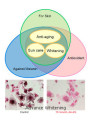
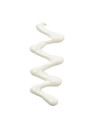
Easy Cream Maker™

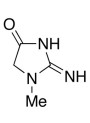
CosmoWhite™ (1-Methylhydantoin-2-Imide)