Whitening Cream Formulation Issues: Emulsification Failure and Electrolyte Interference
Question
I am trying to make a whitening cream using the following formula:
- Part A: Water, Vitamin B3 (Niacinamide), Creatine 100, Disodium EDTA
- Part B: Propylene Glycol, Pure-TECA™ Centella Asiatica Extract
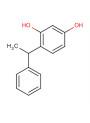
- Part C: Fractionated Coconut Oil, Light Cream Maker (1.5%), Sym White, Alpha Arbutin
- Other: Glycerin
My mixing steps were:
- Combine Part A + B.
- Combine Part C.
- Add A+B into C and stir until combined.
- Add Glycerin.
- Add Sym White and Disodium EDTA.
After mixing, the product turned out as a liquid instead of a cream. I have a few questions:
- Did the Light Cream Maker dissolve completely, or were there still pieces floating? (Referring to the initial state of the Light Cream Maker).
- When adding AB to C, how long should I stir, and did you notice any separation in the mixture?
- Where was the mistake in the mixing process that caused it to become a liquid?
- Can this liquid mixture be fixed to become a cream? What ingredients should I add?
- If it cannot be fixed, can I still use this liquid product? Is it safe for my skin?
Answer
Whitening Cream Formulation Issue
It appears your whitening cream formulation resulted in a liquid instead of a cream due to issues with the emulsification process. Emulsification is the key step that combines the oil and water phases into a stable cream.
Analysis of the Problem
- Emulsification Failure: The primary reason the mixture is a liquid is that the oil phase (Fractionated Coconut Oil and Light Cream Maker) and the water phase (Water, Propylene Glycol, Glycerin, and dissolved/dispersed active ingredients) did not properly combine to form a stable emulsion.
- Light Cream Maker Usage: Light Cream Maker is an effective emulsifier and thickener, but it has specific requirements. It works without heat and can handle up to 20% oil. Your formula has 10% oil, and you used 1.5% Light Cream Maker, which should theoretically be sufficient. However, the product description notes that the presence of electrolytes can soften the cream and may require a higher concentration (2-3%) of Light Cream Maker or a specific mixing method where electrolyte-containing ingredients are added gradually after the emulsion has formed.
- Electrolyte Interference: Your formula contains ingredients like Vitamin B3 (Niacinamide), Creatine 100, Centella Asiatica Extract, and Disodium EDTA, which can act as electrolytes. Mixing all these water-soluble ingredients into the water phase (Part A + B) before combining with the oil phase (Part C) could have interfered with the Light Cream Maker's ability to create a stable emulsion, especially if the total electrolyte concentration is high. The recommended method for formulas with significant electrolytes is to form the cream first and then add the electrolyte-containing ingredients slowly while continuing to mix.
- Mixing Technique: While Light Cream Maker works without heat, proper and sufficient mixing (often requiring vigorous stirring or a homogenizer/high-shear mixer) is crucial to ensure the emulsifier correctly disperses and creates the cream structure. Simply "stirring until combined" might not provide enough shear for a stable emulsion, especially with potentially interfering ingredients present.
- Centella Asiatica Extract Solubility: The Pure-TECA™ Centella Asiatica Extract you used is not soluble in water or oil and requires Propylene Glycol or Butylene Glycol with heat (70-80°C) to dissolve. You mixed it with Propylene Glycol but did not mention heating, so it likely did not fully dissolve but remained dispersed. While this might not directly prevent emulsification, ensuring all ingredients are properly incorporated into their intended phases is important for formula stability.
- Adding Disodium EDTA Twice: You listed Disodium EDTA in both step A and again after adding Sym White. Adding it twice is unnecessary and could slightly increase the electrolyte load.
Answering Your Questions
Where was the mistake in mixing?
The most likely mistakes were:- Mixing all electrolyte-containing ingredients (like Vitamin B3, Creatine 100, Centella Asiatica Extract, Disodium EDTA) into the water phase before emulsifying. These should ideally be added gradually after the cream has started to form, especially when using Light Cream Maker with potentially high electrolyte levels.
- Potentially insufficient or improper mixing/stirring during the step where the water phase (AB) was added to the oil phase (C).
- Not heating the Propylene Glycol and Centella Asiatica Extract mixture (Part B) to ensure the extract fully dissolved.
Can the liquid mixture be fixed into a cream? How?
Attempting to fix a completely failed emulsion can be difficult and may not yield a stable or desirable texture. The structure needed for a cream hasn't formed correctly.- Possible Attempt (with low chance of success): You could try adding a small amount of additional Light Cream Maker (e.g., 0.5% increments) to the liquid mixture and mixing very vigorously and continuously for several minutes, perhaps using a small whisk or a high-shear mixer if available. However, this might still fail due to the electrolyte issue or if the emulsifier's function has been permanently impaired. Reheating is generally not recommended as some ingredients have temperature limits.
- Recommended Solution: Reformulate. The most reliable way to get a stable cream is to create a new batch, adjusting the mixing process. Consider adding the electrolyte-sensitive ingredients (Vitamin B3, Creatine 100, Centella Asiatica Extract, Disodium EDTA) after the main oil and water phases have emulsified and thickened into a cream, adding them slowly with continuous mixing. Also, ensure the Centella Asiatica Extract is properly dissolved in heated Propylene Glycol before adding it to the water phase. You might also consider increasing the Light Cream Maker concentration slightly (e.g., to 2%) given the number of potentially electrolyte-containing ingredients.
If it cannot be fixed, can it be used? Is it dangerous for the skin?
Assuming all the ingredients used were within their recommended usage rates and were suitable for cosmetic use, the liquid mixture itself is unlikely to be dangerous for your skin. The ingredients are generally considered safe at these concentrations.- Safety: The main concern is the stability and efficacy of the active ingredients over time in a separated liquid state. Ingredients like Alpha Arbutin and Sym White have specific pH and stability requirements. In a broken emulsion, the pH might not be uniform, and the ingredients might degrade faster.
- Usage: You could potentially use it as a liquid serum or treatment, but be aware that the active ingredients might not be evenly distributed, so you might not get consistent results. Observe the mixture for any signs of spoilage (unusual smell, color change, mold) before use. If you see any such signs, discard it.
Related Products Mentioned
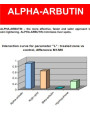
Alpha Arbutin (Switzerland)
Safe-B3™ (Vitamin B3, Niacinamide)
Propylene Glycol (USP)
Light Cream Maker™
Glycerin (USP/Food Grade)
Phenoxyethanol (Extra Pure)
Fractionated Coconut Oil
Disodium EDTA