Whitening Mechanisms and Ingredient Alternatives
Question
What are alternative ingredients for specific whitening mechanisms, including reducing UVB inflammation/oxidation, addressing Reactive Oxygen Species (ROS), promoting non-acidic skin turnover, and understanding/finding alternatives for the copper interaction mechanism, especially when using Vitamin B3 and avoiding Vitamin C?
Answer
Whitening Mechanisms and Alternative Ingredients
Understanding the different ways ingredients work can help you formulate effectively. Here are some alternative ingredients for the mechanisms you mentioned:
1. Reduce UVB Induced Inflammation and Oxidation
UVB exposure triggers inflammation and oxidative stress, which can lead to increased melanin production. Reducing this response helps prevent pigmentation.
- Phytosphingosine (90% Purity): This ingredient has shown properties that help restore skin damaged by UV light and reduce irritation (anti-inflammation). It can be beneficial in calming the skin's response to sun exposure.
- Phytosphingosine SA: A modified version of Phytosphingosine, it also shows benefits related to photoaging and restoring skin damaged by UV light.
2. Reactive Oxygen Species (ROS)
Reactive Oxygen Species (free radicals) generated by factors like UV radiation contribute to the melanogenesis process. Antioxidants neutralize these damaging molecules. Since you are avoiding Vitamin C, other antioxidants can be used.
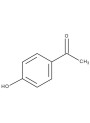
- Hydroxyacetophenone: This acts as an antioxidant, helping to maintain the quality of ingredients in the formula and offering a soothing effect.
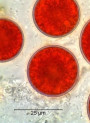
- Astaxanthin (10% Algae Extract, Oil): Known as a powerful antioxidant, Astaxanthin helps protect cells from free radical damage and can help protect the skin from UV damage.
3. Turnover and Desquamation Promotion
Promoting the natural shedding of the outermost layer of skin cells (stratum corneum) helps remove pigmented cells, leading to a brighter complexion. You are looking for non-acidic options.
- FruitPeel™ exfoliates cells with fruit: This ingredient uses extracts from fruit peels to gently exfoliate the skin. It has a weak acidic to neutral pH, making it less irritating than typical AHAs.
- Bio-S Protease™ (Natural Enzymes For Exfoliation, Stabilized): This is a natural protease enzyme that gently removes dead skin cells by breaking down proteins, promoting skin regeneration with minimal irritation.
4. Copper Interaction
Tyrosinase, the key enzyme in melanin synthesis, requires copper ions to function. Ingredients that can chelate (bind to) copper ions can inhibit tyrosinase activity and thus reduce melanin production.
- Copper Disodium EDTA: This is a chelating agent that can bind to metal ions like copper, potentially inhibiting tyrosinase activity.
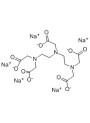
- Pentasodium Pentetate (DTPA-5Na, 40%): Another commonly used chelating agent that can sequester metal ions in a formula.
By incorporating ingredients that target these different mechanisms, you can create a comprehensive whitening formulation that complements the effects of Vitamin B3.
Related Products Mentioned
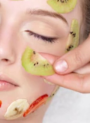
FruitPeel™ exfoliates cells with fruit
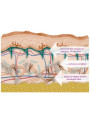
Phytosphingosine SA
Phytosphingosine (90% Purity)
Pentasodium Pentetate (DTPA-5Na, 40%)
Astaxanthin (10% Algae Extract, Oil)