Whitening Serum Formulation for Oily Skin: Ingredient and Texture Advice
Question
I am formulating a whitening serum for oily skin. I am considering using ingredients like Cyclomethicone, Silicone Gel, Vitamin B3 (Niacinamide) 3%, N-Acetyl-D glucosamine 4%, WhiteCumin 5%, Papaya Extract 2%, and Propylene Glycol. What is the difference between Cyclomethicone and Silicone Gel? Is Silicone Gel necessary in this formula? I also heard about Warp Cream Maker; is it suitable? What are the suitability and considerations for these ingredients and texture choices (silicone vs. gel) for oily skin?
Answer
Formula Review and Recommendations
You've put together a formula aimed at whitening, which includes several effective ingredients. Let's break down the components and address your specific questions.
Understanding Your Ingredients
- Cyclomethicone (Cyclopentasiloxane): This is a lightweight, volatile silicone oil. It evaporates quickly after application, providing a smooth, silky feel to the product and helping with spreadability. It's often used in cosmetics to create a light, non-greasy texture.
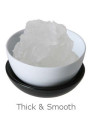
- Silicone Gel (e.g., Silicone Gel Ultra Clear, Super Silky or Silicone Gel Thick & Smooth): Unlike Cyclomethicone, which is a simple silicone fluid, Silicone Gel is typically a dispersion of silicone elastomers (cross-linked silicones) in a silicone fluid like Cyclomethicone. This creates a gel-like texture that enhances the feel, provides a soft-focus or mattifying effect, and improves the spreadability and stability of the formula.
Your Questions Answered
- Difference between Cyclomethicone and Silicone Gel: As explained above, Cyclomethicone is a volatile silicone oil, while Silicone Gel is a gel created by combining silicone elastomers with a silicone fluid. They both contribute to the texture and feel but in different ways. Cyclomethicone provides a light, quick-drying slip, while Silicone Gel adds body, a silky/matt feel, and can improve spreadability and stability.
- Necessity of Silicone Gel: Your formula includes both Cyclomethicone and Silicone Gel, making it a silicone-heavy serum. While silicones provide a pleasant feel, the staff's advice is relevant here: silicones might not be ideal for oily skin as they can potentially feel occlusive or contribute to clogged pores for some individuals. If the primary target is oily skin, you might consider reducing or eliminating silicones.
- Warp Cream Maker: Warp Cream Maker is a water-in-oil emulsifier designed to create creams that absorb quickly and leave a smooth, dry, powdery feel. The staff correctly mentioned that Warp Cream Maker is currently discontinued and has been replaced by Silky Serum Base, which is a base for creating light, quickly absorbing serums suitable for oily or normal skin.
Formula Suitability for Oily Skin
Your chosen active ingredients for whitening are generally suitable:
- Vitamin B3 (Niacinamide): Excellent for oily skin as it helps reduce oiliness, minimize pores, improve skin barrier function, and reduce redness and hyperpigmentation. The concentration of 3% is within the effective range.
- N-Acetyl-D glucosamine: Works synergistically with Niacinamide for whitening and can also help improve skin hydration and reduce acne. The 4% concentration is within the recommended range.
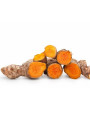
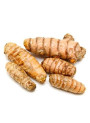
- WhiteCumin (Tetrahydrocurcuminoids): A good antioxidant and whitening agent. Note that the 5% concentration you listed is higher than the recommended usage rate for both the powder (0.1-1.0%) and liquid (1-4%) forms available. You may want to adjust the concentration based on the specific type you are using.
- Papaya Extract (Papain): Known for its exfoliating properties, which can help improve skin texture and tone. The standard Papain is typically used at 0.1-1.5%, so 2% is slightly above the recommended range for that type. The encapsulated version, HyaCap Papain 16K, is more stable in water-based formulas and can be used at up to 20%. If you are using standard Papain, consider the recommended usage rate and its stability limitations in a water-based serum (requires specific pH and storage conditions, and its efficacy decreases over time once dissolved). HyaCap Papain might be a more stable alternative.
- Propylene Glycol: Acts as a humectant and solvent.
Given the target is oily skin, a lighter texture is often preferred. As the staff suggested, creating a gel-based serum using a gel maker like Pro Polymer or Pro Polymer Silk might be more suitable than a silicone-heavy formula. These gel makers create a light, non-greasy feel.
Additional Considerations
- Preservation: Your formula does not list a preservative. Any formula containing water must include a suitable preservative system to prevent microbial growth.
- pH Adjustment: The active ingredients like Niacinamide, N-Acetyl-D glucosamine, and Papain have optimal pH ranges for stability and efficacy. You will need to measure and adjust the final pH of your serum to ensure it is within the appropriate range for all ingredients and is suitable for skin application (typically pH 4.5-6.0).
Overall, your selection of active whitening ingredients is good. However, for oily skin, reconsidering the base texture to be less silicone-heavy and opting for a gel base as suggested by the staff might yield a more suitable product feel. Ensure you use the correct concentrations for the specific ingredients you purchase and include necessary preservatives and pH adjustment.
Related Products Mentioned
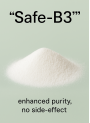
Safe-B3™ (Vitamin B3, Niacinamide)
GlucoBright™ (Acetyl Glucosamine)
Propylene Glycol (USP)
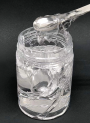
Silicone Gel (Ultra Clear, Super Silky)
Pro Polymer™ (Gel Maker)
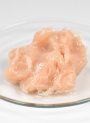
Warp Cream Maker™ (e.q. Nikkomulese wo)
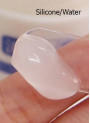
Silky Serum Base (Face/Eye)