Why Cream is Pilling and How to Fix It
Question
My cream formulation is pilling/flaking. I suspect it might be due to the high concentrations of certain ingredients and the mixing method. Could you please explain why this is happening and how to fix it, specifically regarding:
- Using
Light Cream Makerat 4% (20g in a 500g formula)? Is this percentage too high? - Using
TEA (Triethanolamine)at 20g (4%)? Why is such a high amount used? Can it makeLight Cream Makersoft or cause pilling? Can high amounts cause skin irritation? - The mixing method: Is hand mixing insufficient for 4%
Light Cream Maker? Is machine mixing (e.g., 1000 rpm for 5 minutes) necessary? - Using
Alpha Arbutinat 3%? Is this percentage safe/effective or too high?
Answer
Why Your Cream is Pilling (Becoming Flaky) and How to Fix It
Based on the formula and mixing method you provided, the pilling or flaking issue you are experiencing is likely due to a combination of factors:
High Concentration of Light Cream Maker: You are using Light Cream Maker at approximately 4% of the total formula (20g in an estimated 500g formula). The recommended usage rate for Light Cream Maker is typically 0.5-3%, with 1-1.5% being commonly recommended for a creamy texture. Using a higher percentage than recommended can create a polymeric film that rolls up or pills on the skin when applied.
Excessive Amount of TEA (Triethanolamine): You are using TEA at approximately 4% (20g in an estimated 500g formula). The maximum recommended usage rate for Triethanolamine 99% is 2.5%. Using TEA at such a high concentration can destabilize the emulsion, interact negatively with thickeners like Light Cream Maker, and contribute significantly to pilling. High levels of TEA can also cause skin irritation.
High Concentration of Beta Glucan: You are using Beta Glucan at approximately 6% (30g in an estimated 500g formula). While some types of Beta Glucan can be used up to 10%, others, like the oat extract type, have a lower recommended maximum (e.g., 1%). High concentrations of polymeric ingredients like Beta Glucan, especially if not fully hydrated or properly dispersed, can also cause pilling.
Insufficient Mixing/Shearing Force: The description for Light Cream Maker mentions that insufficient mixing or spinning can result in a flaky texture when applied. Hand stirring may not provide enough shearing force to properly incorporate and activate the emulsifier and thickeners in a formula with these concentrations.
Potential Ingredient Incompatibilities or pH Issues: The formula contains several active ingredients, including AA2G, which requires a specific pH range (6.5-6.8) for optimal stability. If the pH is not properly adjusted throughout the mixing process, or if there are incompatibilities between the various high-concentration ingredients, it can lead to formula instability and pilling.
How to Fix It
To resolve the pilling issue and improve your cream's texture and stability, consider the following adjustments:
- Reduce Light Cream Maker: Lower the concentration to 1-1.5% of the total formula.
- Reduce TEA: Significantly reduce the amount of TEA. Use only enough to adjust the final pH of the cream to the desired range, especially considering the optimal pH for AA2G (6.5-6.8). Do not exceed the maximum recommended usage rate of 2.5%.
- Reduce Beta Glucan: If you are using the oat extract type, reduce the concentration to 1%. If using the yeast extract type, ensure it is fully dispersed and consider reducing the amount if pilling persists.
- Improve Mixing Method: Use a high-speed mixer or homogenizer instead of hand stirring to ensure all ingredients, especially the emulsifier and thickeners, are properly incorporated and the emulsion is stable.
- Adjust Mixing Steps:
- Ensure the water phase ingredients, particularly AA2G, are fully dissolved and the pH is adjusted to 6.5-6.8 before combining with the oil phase. Follow the specific instructions for dissolving AA2G, potentially using Citrate Buffer or L-Arginine.
- Add sensitive ingredients like Pep\®-Coll at the final step, ensuring the cream temperature is below 40°C.
- Review Alpha Arbutin Concentration: While 3% might not cause pilling, the recommended maximum usage rate is 2%. Using 2% is generally sufficient for efficacy and within recommended guidelines.
- Verify Total Formula Percentage: Double-check that the percentages of all ingredients add up correctly and are within the recommended usage rates for each raw material.
By adjusting the concentrations of Light Cream Maker, TEA, and Beta Glucan, and improving your mixing technique, you should be able to create a stable cream that absorbs well without pilling.
Related Products Mentioned
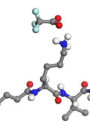
Pep®-Coll (Palmitoyl tripeptide-5)
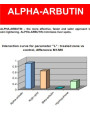
Alpha Arbutin (Switzerland)

Natural Bisabolol (Brazil Chamomile)
Triethanolamine 99%
Light Cream Maker™
Phenoxyethanol (Extra Pure)
Disodium EDTA
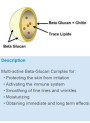

SPF Protect Plus™