Why Hydroquinone is Still Used for Melasma Treatment
Question
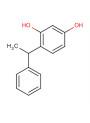
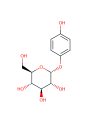
I would like to ask for some knowledge. I see many different ingredients such as Phenylethyl Resorcinol, Alpha Arbutin, Deoxyarbutin, etc., all stating that they have better whitening efficacy than Hydroquinone. Why is Hydroquinone still used in creams or medicines for melasma in the medical field? Or is there some mechanism where Hydroquinone is superior?
Answer
Why is Hydroquinone Still Used in Medical Treatments for Melasma?
You've observed correctly that many newer cosmetic ingredients like Phenylethyl Resorcinol, Alpha Arbutin, and Deoxyarbutin are highlighted for their whitening efficacy, often with claims of being safer or more effective than Hydroquinone. While these ingredients are indeed effective and widely used in cosmetic formulations due to their favorable safety profiles and regulatory status in many regions, Hydroquinone continues to be used in medical treatments for conditions like melasma for specific reasons.
Here's a breakdown:
- Potency and Established Efficacy: Hydroquinone is a powerful depigmenting agent with a long history of clinical use. It works by inhibiting the enzyme tyrosinase and also has a cytotoxic effect on melanocytes (the cells that produce melanin), effectively reducing melanin production. For severe or stubborn cases of hyperpigmentation like melasma, the potent action of Hydroquinone, often used at higher concentrations and under medical supervision, can be more effective than some cosmetic alternatives.
- Medical vs. Cosmetic Use: The key distinction lies in the context of use. Hydroquinone is often restricted or banned in cosmetic products in many countries due to potential side effects (like ochronosis, irritation, and rebound hyperpigmentation) and concerns about its safety for unsupervised, long-term use. However, when prescribed and monitored by a dermatologist, the benefits of Hydroquinone in treating specific medical conditions like severe melasma are considered to outweigh the risks for a defined treatment period.
- Different Mechanisms: While many newer ingredients like Alpha Arbutin, Phenylethyl Resorcinol, Activated Resorcinol, and Deoxyarbutin primarily work by inhibiting tyrosinase, other ingredients like Hydro-White™ (Hydroxyphenoxy Propionic Acid) have a different mechanism, focusing on inhibiting melanin release and transport. Hydroquinone's direct impact on melanocyte survival contributes to its strong effect.
- Clinical Data: Hydroquinone has extensive clinical data supporting its efficacy in treating melasma and other hyperpigmentation disorders when used appropriately under medical guidance. While newer ingredients show promising results in studies (including comparisons to Hydroquinone in lab settings), Hydroquinone's established track record in clinical practice for challenging cases keeps it as a go-to option for dermatologists.
In summary, while newer cosmetic ingredients offer effective and often safer alternatives for general skin brightening and milder pigmentation issues, Hydroquinone remains a valuable tool in the medical treatment of more severe hyperpigmentation like melasma due to its potent mechanism and extensive clinical evidence, used under strict medical supervision to manage its risks.
Related Products Mentioned
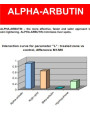
Alpha Arbutin (Switzerland)
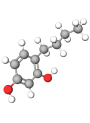
Deoxyarbutin (D-Arbutin)
Alpha Arbutin (China, Crystal Form)

Hydro-White™ (Hydroquinone-Replacer)