Why Waxes Must Be Melted for Stick Formulations
Question
When formulating stick products like lip balms or lipsticks, it is stated that waxes must be melted to a certain temperature (e.g., 55°C) for the formulation to work. Could you explain in detail why waxes need to be melted before being poured into tubes, and why it is not possible to simply pour solid wax directly into the tubes?
Answer
Waxes, such as those used in lip balms, lipsticks, and other stick products, are solid at room temperature. To be effectively incorporated into a formulation and poured into tubes, they must first be melted into a liquid state.
Here's why melting is necessary:
- Achieving a Liquid State: Waxes are solids with specific melting points. For example, our Natural White Beeswax melts at 62°C, Carnauba Wax at 80°C, and Candelilla Wax at 70°C. To create a smooth, homogenous mixture with other oils and ingredients, the wax must be heated above its melting point to become a liquid.
- Proper Mixing and Dispersion: Once melted, the liquid wax can be thoroughly mixed with other oil-phase ingredients, ensuring an even distribution throughout the product. This is crucial for the final product's texture, stability, and performance.
- Pouring into Tubes: Products like lip balms and stick deodorants are typically filled into their packaging while still in a hot, liquid state. As the mixture cools inside the tube, it solidifies, forming the desired solid stick. If you tried to pour solid wax flakes or pieces into a tube, it would not flow, and you would not achieve a smooth, consistent product.
While 55°C might be a target temperature for a specific blend or a minimum processing temperature, most waxes require higher temperatures to fully melt and become pourable. For instance, our Natural White Beeswax typically requires heating to approximately 75°C to fully dissolve into the oil phase.
In summary, melting waxes is a fundamental step in creating stick formulations, ensuring the ingredients are properly blended and the product can be efficiently filled into its final packaging.
The relevant products that demonstrate these properties include:
- Natural White Beeswax (USA, Melting 62C, Deodorized)
- Carnauba Wax (Flake, Melting 80C)
- Candelilla Wax (Refined, Melting 70C)
- Microcrystalline Wax (Melting Point 77C, Medium)
- Tribehenin (Soft Wax, USA)
- Sunflower Wax
- Glossy Wax (Light, Non-Greasiness)
- Ozokerite Wax (Melting Point 66C, Medium, Germany)
- Wax Cream Maker™
- Rice Bran Wax
- Ezerwax™
- Hydrogenated Castor Oil (Wax Flakes, Melting Point 86C)
- Microcrystalline Wax (Melting Point 90C, Hard)
- Synthetic Wax (Melting Point 88C)
- Microcrystalline Wax (Melting Point 80C, Medium)
- Ceresin Wax (Melting 93C, Hard, China)
- Candelilla Wax (Refined, Melting 72.5C)
- Moving Rubber Wax (Pink, Compare to Gatsby)
- Moving Rubber Wax (Brown, Compare to Gatsby)
- Synthetic Wax (Melting Point 108C)
Related Products Mentioned
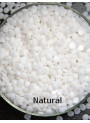
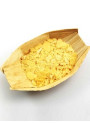
Carnauba Wax (Flake, Melting 80C)
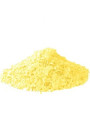
Candelilla Wax (Refined, Melting 70C)
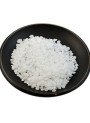
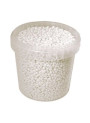
Tribehenin (Soft Wax, USA)

Sunflower Wax
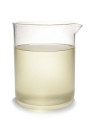
Glossy Wax (Light, Non-Greasiness)
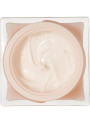
Wax Cream Maker™
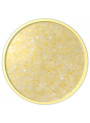
Rice Bran Wax
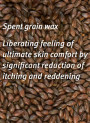
Ezerwax™
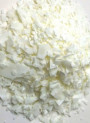
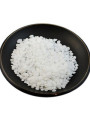
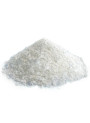
Synthetic Wax (Melting Point 88C)
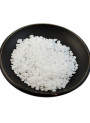
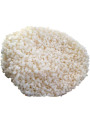
Ceresin Wax (Melting 93C, Hard, China)
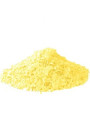
Candelilla Wax (Refined, Melting 72.5C)