Suitability and pH of AHA, Tranexamic Acid, and Vitamin B3 Formula for Melasma and Whitening
Question
Regarding a formula intended for overnight leave-on application to treat melasma, whiten skin, and provide exfoliation, containing:
- Glycolic acid (AHA) 10%
- Tranexamic acid 5%
- Vitamin B3 5%
I have the following questions:
- Is this formula usable and appropriate for the stated purposes?
- Is a pH of approximately 3.5-3.7 suitable for this formula, or what pH range is optimal for the efficacy of Glycolic acid and Tranexamic acid?
- Should ingredients for skin whitening and exfoliation be formulated separately, or can they be effectively combined in a single product?
Answer
Formula Suitability, pH, and Combination of AHA, Tranexamic Acid, and Vitamin B3
Regarding your questions about the formula containing 10% Glycolic acid (AHA), 5% Tranexamic acid, and 5% Vitamin B3 for treating melasma, whitening, and exfoliation:
Is this formula usable and appropriate?
This formula can be used, but it is recommended for nighttime use only, with strict avoidance of sun exposure during the day. The concentration of Tranexamic acid at 5% exceeds the limit allowed by the FDA for cosmetic products (which is a maximum of 3%). Using a concentration of 5% would require the product to be registered as a drug. The concentration of AHA at 10% is at the upper limit permitted for consumer cosmetics (FDA allows up to 10% with a pH of 3.5 or higher). Using these ingredients together at high concentrations, especially AHA and Tranexamic acid, may increase the potential for skin irritation.Is a pH of 3.5-3.7 suitable, and what pH is optimal for Glycolic acid and Tranexamic acid efficacy?
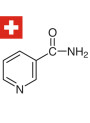
A pH of 3.5-3.7 is suitable. This pH range allows Glycolic acid (such as Glycopure or Ampho-Glycolic) to work effectively for exfoliation while also meeting the FDA requirements for consumer AHA products (pH not lower than 3.5). Glycolic acid's efficacy is significantly reduced at pH levels above 4.0. For Tranexamic acid (like Tranexamic Acid (Trans-White) or Nano-TXA), the optimal pH range is 3-8, so 3.5-3.7 is well within this range. Vitamin B3 (such as Safe-B3 or Extreme-B3) is also stable and effective in the pH range of 3-8, with 4.0-7.0 being considered optimal, so 3.5-3.7 is acceptable.Should skin whitening and exfoliation be separate or combined?
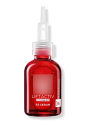
It is possible to combine ingredients for skin whitening and exfoliation in the same formula, particularly in a leave-on product intended for overnight use. Exfoliation with AHA helps to remove dead skin cells, which can improve the penetration and effectiveness of whitening ingredients like Tranexamic acid and Vitamin B3, potentially leading to faster results. Products like Specialist B3 Serum demonstrate that combining these ingredients is feasible. However, as mentioned earlier, combining multiple active ingredients at high concentrations increases the risk of skin irritation compared to using them separately or at lower concentrations. If you choose to combine them, start with caution and observe your skin's reaction.
Updated Review: May 2026
This section was added after reviewing the original answer against current product availability and formulation knowledge at the stated point in time.
Update as of 2026-05-31: Current MySkinRecipes catalog guidance is more conservative for leave-on Glycolic Acid/AHA formulas. For general cosmetic use, Glycopure™ guidance now states Glycolic Acid should not exceed 5% and the finished product pH should not be below 3.5; use above this level should be under physician control. Therefore, the previously discussed 10% Glycolic Acid leave-on night formula should no longer be treated as a normal general-cosmetic recommendation.
Tranexamic Acid (Trans-White™) remains guided at 3% for cosmetic whitening formulas, with recommended formula pH 3–8; 5% Tranexamic Acid is above the cosmetic guidance and should not be recommended for ordinary cosmetic use. Safe-B3™/Extreme-B3™ Niacinamide remains compatible with pH 3–8, best around pH 4–7.
If combining exfoliation and brightening in one leave-on product, use a lower-irritation approach: reduce Glycolic Acid, keep Tranexamic Acid within cosmetic limits, patch test, start 1–2 nights/week, avoid eye/lip areas, and use strict daytime sunscreen. Specialist B3 Serum is a useful example of combining Niacinamide, Glycolic Acid, and Tranexamic Acid, but it uses much lower acid/Tranexamic levels and a milder pH than the high-strength formula discussed here.
Related Products Mentioned
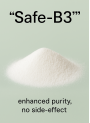
Safe-B3™ (Vitamin B3, Niacinamide)
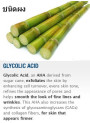
Glycopure™ (Glycolic Acid (AHA) Powder)