Addressing Pilling and Powdery Texture in Barrier Repair Cream
Question
I made a barrier repair cream using Tremella Mushroom Extract at 2%, but I don’t like the after-feel. It has a powdery and peeling effect on the skin. Could you please explain the reason for this?
The other ingredients in the formula are:
Colloidal Oat: 0.5%MSM: 5%Ceramide NP: 2%Ceramide Complex: 2%Methyl Propanediol: 2%Montanov 68: 2.5%1,2-Hexanediol: 0.3%Allantoin: 0.4%Olivem 1000: 2%Cetyl Alcohol: 2%Squalane: 1.5%Coco-Caprylate: 1.5%Dimethicone: 1.5%Cetyl Ethylhexanoate: 1%Glyceryl Stearate: 0.2%Aristoflex: 0.15%Phytosterol: 1%Evening Primrose Oil: 2%Bisabolol: 0.5%Mixed Tocopherol AcetateCentella Asiatica ExtractNAGDipotassium GlycyrrhizateEctoineAdenosineNiacinamideHyaluronic LMWGreen Tea ExtractGotu KolaD-PanthenolSodium PCAAloe Vera Liquid ExtractCopper PeptideChamomile ExtractBeta GlucanAmino ComplexEuxyl 9010
Answer
The "powdery and peeling" effect (often called pilling) you are experiencing is primarily caused by the excessive concentration of film-forming ingredients and undissolved solids in your formula.
Here is a detailed breakdown of why this is happening:
1. Overuse of Snow Mushroom Hyaluron
The most significant cause of the peeling effect is the usage rate of Snow Mushroom Hyaluron (Tremella Fuciformis Extract Powder).
- Your Usage: 2%
- Recommended Usage: 0.1% - 0.5%
- Reason: This ingredient is a high-molecular-weight polysaccharide that creates a physical film on the skin to lock in moisture. At 2%, you are using 4 times the maximum recommended amount. When the water evaporates from the cream, this film becomes too thick and brittle. As you rub your skin, the film breaks and rolls up into small "pills" or flakes.
2. Excessive Ceramide NP (Powdery Feel)
You mentioned using Ceramide NP at 2%.
- The Issue: Pure Ceramide NP is a crystalline powder that is extremely difficult to dissolve. The typical usage rate is only 0.05% – 0.2%.
- Result: At 2%, it is highly likely that most of the ceramide has not dissolved into the oil phase and is remaining as microscopic grit. This creates the "powdery" sensation and contributes to the pilling as the undissolved particles interfere with the emulsion's film.
3. Cumulative Film-Forming Effect
Your formula contains several other film-formers that "stack" on the skin:
- Aristoflex AVC (0.15%): A synthetic polymer that stabilizes the cream but adds to the total polymer load.
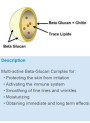
- Hyaluronic Acid (LMW) & Beta Glucan: Both are polysaccharides that form additional layers of film.
- Pure MSM™ (5%): While beneficial, 5% is the maximum limit. In a formula already heavy with solids and films, it can contribute to a dry, powdery finish.
4. High Solid/Wax Content
The combination of Montanov 68 (2.5%), Olivem 1000 (2%), and Cetyl Alcohol (2%) creates a very heavy, waxy structure. This "heavy" base can prevent film-formers from adhering properly to the skin, causing them to sit on top and peel off more easily.
Recommendations for Adjustment:
- Reduce Snow Mushroom Hyaluron: Lower this to 0.2% - 0.5%. This is the most critical change to stop the peeling.
- Reduce Ceramide NP: Lower the pure Ceramide NP to 0.1% and ensure it is fully dissolved in the oil phase at 75-80°C. You can keep the Ceramide Complex at 2% as it is pre-dispersed and easier for the formula to handle.
- Check MSM: If the powdery feel persists, try reducing Pure MSM™ to 3%.
- Increase "Slip": Consider slightly increasing Dimethicone to 2% to help the film-formers spread more thinly and adhere better to the skin.
Follow-up Replies
Question:
I am working on a barrier repair cream, but I'm experiencing a powdery and peeling (pilling) effect on the skin. Based on your previous advice regarding the Tremella Mushroom Extract (used at 2%), I have a few follow-up questions:
- The
Ceramide NPI used is a liquid version. Should I still reduce it from 2%, or is it okay to keep it at that level? - What percentages do you recommend for the emulsifiers in this formula? Are there alternative emulsifiers you would suggest to improve the stability and feel?
- Regarding
Aristoflex(currently at 0.15%), should I reduce the usage or is there a better alternative polymer to achieve a superior texture?
Current Formulation:
Tremella Mushroom Extract: 2%Colloidal Oat: 0.5%MSM: 5%Ceramide NP(Liquid): 2%Ceramide Complex: 2%Methyl Propanediol: 2%Montanov 68: 2.5%1,2-Hexanediol: 0.3%Allantoin: 0.4%Olivem 1000: 2%Cetyl Alcohol: 2%Squalane: 1.5%Coco-Caprylate: 1.5%Dimethicone: 1.5%Cetyl Ethylhexanoate: 1%Glyceryl Stearate: 0.2%Aristoflex: 0.15%Phytosterol: 1%Evening Primrose Oil: 2%Bisabolol: 0.5%Mixed Tocopherol AcetateCentella Asiatica ExtractNAGDipotassium GlycyrrhizateEctoineAdenosineNiacinamideHyaluronic LMWGreen Tea ExtractGotu KolaD-PanthenolSodium PCAAloe Vera Liquid ExtractCopper PeptideChamomile ExtractBeta GlucanAmino ComplexEuxyl 9010
Answer:
To resolve the pilling (peeling) and powdery feel in your barrier repair cream, here are the specific adjustments for your ingredients:
1. Liquid Ceramide NP
Even if your Ceramide NP is in liquid form, using it at 2% can still contribute to a heavy or tacky feel depending on the carrier.
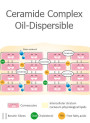
- Recommendation: I suggest using Ceramide Complex (Water/Oil Dispersible Powder) at 1% - 2%. This complex is specifically designed to be easily incorporated and mimics the skin's natural lipid barrier more effectively than a single ceramide, reducing the risk of a powdery after-feel.
2. Emulsifier System
Your current emulsifier system is quite complex and heavy. To improve the texture and stability, I recommend simplifying it:
- Primary Emulsifier: Use Olivem 1000 at 4% - 5%. This will act as your main emulsifier to create a stable, professional cream texture.
- Thickener/Body: Keep Cetyl Alcohol at 1% - 2%. This provides the "creaminess" without making it too waxy.
- Co-Emulsifier: Use Glyceryl Stearate SE at 1%. This helps stabilize the emulsion, especially with the high number of extracts in your formula.
- Note: You can remove the other emulsifiers to reduce the "solid" load on the skin, which helps prevent pilling.
3. Polymer and Texture
Aristoflex AVC is a great polymer, but it can be sensitive to high electrolyte loads (from the many extracts and actives like Sodium PCA and Copper Peptide in your formula). This sensitivity often leads to the polymer "crashing" and causing the peeling effect you described.
- Alternative: I highly recommend switching to Sepimax Zen at 0.5% - 1%.
- Why: It is extremely resistant to electrolytes and salts. It will provide a much more elegant, "velvety" skin feel and will hold your complex formula together much better than Aristoflex AVC, significantly reducing the chance of pilling.
Summary of Key Changes:
- Snow Mushroom Hyaluron: Reduce to 0.2% - 0.5% (This remains the most important step to stop peeling).
- Ceramide: Use Ceramide Complex at 1% - 2%.
- Emulsifiers: Use Olivem 1000 (4-5%) + Cetyl Alcohol (1-2%) + Glyceryl Stearate SE (1%).
- Texture Maker: Replace Aristoflex AVC with Sepimax Zen (0.5-1%).
Related Products Mentioned
Dimethicone (Medium/350, Low-Odor)
Cetyl Alcohol

Pure MSM™ (Methylsulfonylmethane)
Aristoflex AVC
HyaCap™ Hyaluronic Acid Standard