Alternative Mineral Salts for Milder Taste in Electrolyte Tablets
Question
Alternative Mineral Salts for Electrolyte Tablets (Taste Masking)
I am currently developing electrolyte tablets for oral consumption. I have used the following ingredients to provide essential minerals, but the resulting product has an astringent and bitter taste:
- Sodium Citrate (20%)
- Potassium Citrate (3%)
- Magnesium Citrate (4%)
- Calcium Lactate (5%)
- L-Glutamine (6%)
I am seeking advice on alternative compounds that provide the same minerals (Na, K, Mg, Ca) but offer a significantly milder, less bitter taste profile suitable for use in a pharmaceutical or supplement tablet formulation.
Answer
The astringent and bitter taste you are experiencing is a common challenge with mineral salts, particularly citrates and magnesium compounds. For electrolyte tablets, the most effective solution for a milder taste is to switch to mineral forms with a more neutral flavor profile, such as Gluconates or Glycinates.
Here are alternative mineral sources for Na, K, Mg, and Ca that generally have a significantly milder taste for use in food supplements/pharmaceuticals:
Recommended Alternatives for Milder Taste
| Mineral | Current Form (Taste Issue) | Recommended Alternative (Milder Taste) | Notes |
|---|---|---|---|
| Sodium (Na) | Sodium Citrate (Salty/Sour) | Sodium Gluconate | Has a neutral to slightly sweet taste, much less salty than citrate. |
| Potassium (K) | Potassium Citrate (Metallic/Bitter) | Potassium Gluconate (ID: 127687) | Significantly milder than citrate or chloride. |
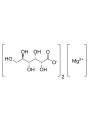
| Magnesium (Mg) | Magnesium Citrate (Bitter/Astringent) | Magnesium Gluconate (ID: 8884) | Much less bitter than citrate or oxide. Magnesium Glycinate is also an excellent, very mild-tasting option. |
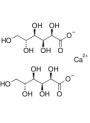
| Calcium (Ca) | Calcium Lactate (Chalky/Astringent) | Calcium Gluconate (ID: 8881) | Milder and less chalky than lactate or carbonate. Calcium Ascorbate is also a mild-tasting alternative. |
Why Gluconates?
Gluconate salts are formed from gluconic acid, a mild acid found naturally in fruits and honey. They are generally considered to have a more neutral, less metallic, and less bitter taste compared to citrates, chlorides, or sulfates, making them ideal for oral supplements.
Additional Taste Masking Strategies
Since you are developing tablets, you can also employ taste-masking techniques to further improve palatability:
- Tablet Coating: Applying a thin, tasteless film coating to the tablets is the most effective way to completely mask the taste until the tablet is swallowed.
- Flavoring and Sweeteners: Use high-intensity sweeteners (e.g., Sucralose, Stevia, Monk Fruit) and strong, complementary flavors (e.g., Lemon, Orange, Berry) to cover the residual mineral taste.
- Granulation/Microencapsulation: Using specialized processing techniques to encapsulate the mineral particles can prevent them from dissolving and releasing their taste in the mouth.