Best Practices for Formulating Cysteamine HCL: Stability, pH, and Odor Management
Question
I have a formulation question regarding Cysteamine. I’ve never compounded it before, and I understand it can be difficult due to instability and odor. I have the following parameters in mind:
- Temperature: Store the product in the fridge and any mixed solution at -20°C.
- pH: Ideal pH is 4.2. Can I use
Glycolic Acidto adjust to this optimal pH? - Chelation: Use deionized water and/or a chelating agent to reduce metal oxidation. Which chelating agent do you recommend? Is
EDTAsuitable? - Antioxidants: I understand
Catalasecan help reduce degradation. What percentage should be used? Are there other recommended antioxidants? WouldErgothioneinebe appropriate? - Oxygen: To prevent degradation, I could mix the serum or cream in a cryo-vac sealed bag.
Given these variables, I would like to know:
- What is the best method to dissolve Cysteamine?
- If I have a serum or cream with the optimal pH and added ingredients (
EDTA,Catalase, odor control), is it possible to add Cysteamine directly to it? - Which specific cream or serum base would you recommend for this?
Answer
Formulating with Cysteamine HCL is indeed challenging due to its rapid oxidation and strong odor. Based on your requirements and the technical data for CysWhite™ (Cysteamine HCL), here is the best method and recommended components for your formulation:
1. Best Method to Dissolve Cysteamine
Cysteamine HCL is highly water-soluble. The best method is to dissolve it in the water phase of your formulation at room temperature or lower.
- Avoid Heat: Do not exceed 30-40°C during mixing, as heat accelerates degradation.
- Order of Addition: Dissolve your chelating agent (EDTA) and water-soluble antioxidants first to "protect" the water before adding the Cysteamine.
2. pH Adjustment
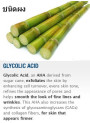
- Glycolic Acid: You can certainly use Glycopure™ (Glycolic Acid) to adjust the pH. However, keep in mind that Cysteamine HCL is naturally acidic. Depending on your base, you may find the pH is already low and might actually need a buffer or a slight increase to hit the 4.2 target.
- Stability: A pH of 3.5–4.5 is ideal for stability and efficacy.
3. Chelating Agents and Antioxidants
- Chelating Agent: Disodium EDTA is highly recommended at a rate of 0.1-0.2%. It is essential for sequestering metal ions that catalyze the oxidation of the thiol group in Cysteamine.
- Antioxidants:
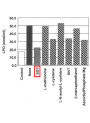
- Ergothioneine: Using EGT-Max™ (Ergothioneine) at 0.5-1.0% is an excellent choice. It provides superior protection against oxidative stress.
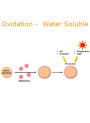
- Specialized Stabilizer: For Cysteamine specifically, it is strongly recommended to include ActiveProtec™ OX. This ingredient is designed to extend the shelf life of Cysteamine in aqueous formulas.
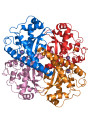
- Catalase/SOD: While Catalase is often used in clinical settings, in cosmetic compounding, SOD (Superoxide dismutase) is a stable enzymatic alternative that can be used to neutralize free radicals.
4. Odor Control
The "rotten egg" smell is the biggest consumer hurdle. It is recommended to add Odor-Kill™ at 1-2% to the formula. This specifically targets and neutralizes the sulfur-based odors of Cysteamine.
5. Recommended Base
If you wish to add Cysteamine directly to a pre-made base, the base must be stable at low pH and compatible with electrolytes (salts).
- Cream Base: CreamMaker Acid™ is specifically designed to remain stable in acidic environments (pH 3-5.5), making it an ideal carrier for a Cysteamine cream.
- Serum Base: If making a serum, ensure your thickeners are "electrolyte-resistant" (such as Xanthan Gum or specialized synthetic polymers), as Cysteamine HCL can cause many standard carbomers to lose viscosity.
6. Packaging and Storage
- Oxygen Exclusion: Mixing in a vacuum-sealed environment is excellent. For the final product, Airless Packaging is mandatory to prevent air contact during use.
- Temperature: Storing the finished product in the refrigerator is highly advisable to maintain potency.
Pro Tip: For the longest possible shelf life, consider an anhydrous (water-free) formula, as Cysteamine is significantly more stable when not in contact with water.
Related Products Mentioned
Disodium EDTA
Glycopure™ (Glycolic Acid (AHA) Powder)

Odor-Kill™
ActiveProtec™ OX
EGT-Max™ (Ergothioneine)
CysWhite™ (Cysteamine HCL)
SOD (Superoxide dismutase) (50000IU/g)