Cream and BHA Toner Formulation Questions
Question
I have questions regarding two cosmetic formulations:
1. Cream Formula (Focus: Moisturizing + Brightening)
I have selected the following ingredients and proposed percentages:
- Niacinamide
- NAG
- Allantoin
- Hyaluronic Acid standard & nano
- Panthenol
- Sodium Lactate
- Sodium PCA
- Urea
I would like to know the recommended starting concentrations for Sodium Lactate, Sodium PCA, and Urea.
I am also considering using Natural Moisturizing Amino Acids (NMAA) for very dry skin. What is the recommended usage percentage for NMAA, and if I use it, should I omit Sodium PCA?
Additional questions about ingredients in the cream:
- Are Calendula and Centella Asiatica suitable additions for this formula?
- What about ingredients for pores like Witch Hazel or L-Carnitine? Are they necessary or suitable in this cream formula?
- Should I include Glycerin in the formula?
- What is the difference between using Sodium Lactate + Sodium PCA + Urea versus Natural Moisturizing Amino Acids (NMAA)?
- Are Disodium EDTA and Phenoxyethanol necessary for preservation, even if using a pump/dropper bottle, not distilled water, and not refrigerating?
- For brightening, should I use Alpha-Arbutin or Lemon Peel Bioferment?
2. BHA Toner Formula
I have a formula for a BHA Toner:
Salicylic acid 1.5%
Propylene glycol 38.5%
Polysorbate 20 3%
Water
Questions about this BHA Toner:
- How should this toner be used?
- What type of container is suitable for packaging this toner?
- What type of container is suitable for mixing this formula?
Answer
Answer for Cream and BHA Toner Formulas
Cream Formula (Focus on Moisturizing + Brightening)
The ingredients you, k.ramnee, have chosen (Niacinamide, NAG, Allantoin, Hyaluronic Acid standard & nano, Panthenol, Sodium Lactate, Sodium PCA, Urea) and the proposed percentages are very suitable. Adding Panthenol is also a good idea as it helps provide gentle moisturizing.
For Sodium Lactate, Sodium PCA, and Urea, the staff recommends starting with the following concentrations:
- Sodium Lactate 3%
- Sodium PCA 3-5%
- Urea 3%
If your skin still feels very dry after using this, you can consider increasing the concentration later.
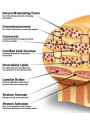
Natural Moisturizing Amino Acids (NMAA) is another excellent option for very dry skin and can be used at 3-5%. However, if you choose to use NMAA, you must omit Sodium PCA from the formula as Sodium PCA is already included in NMAA. NMAA helps to better support the skin's Natural Moisturizing Factor (NMF) structure.
Additional questions about ingredients in the cream:
- Calendula and Centella Asiatica: According to the staff's advice, it's better to focus on moisturizing for this first formula. Ingredients like Calendula Extract and Centella Asiatica Extract can be considered for future additions if you want to focus on anti-aging or soothing properties.
- Ingredients for pores (Witch Hazel, L-Carnitine): The staff recommends that using a BHA Toner is more targeted for clogged pores. As for L-Carnitine, it has properties that help accelerate skin cell turnover and reduce oiliness, but it should be used alone or with other AHA/BHA and may not be necessary in a cream formula focused on moisturizing. You should first check if your current facial cleanser is too harsh. If your skin is dry but becomes oily by midday, it might be due to a cleanser that dries out the skin, causing it to produce excess oil to compensate.
- Glycerin: You can include it or not. Glycerin helps with skin feel, making the cream smoother, but its moisturizing effect as a humectant is less significant than the other ingredients you have already chosen.
- Difference between Sodium Lactate + Sodium PCA + Urea and Natural Moisturizing Amino Acids (NMAA): The first three (Sodium Lactate, Sodium PCA, Urea) are key components of the skin's natural NMF. NMAA is a blend of 8 amino acids and Sodium PCA, also mimicking the skin's natural NMF structure. NMAA provides good moisturizing and helps with wound healing. If you use NMAA, omit Sodium PCA.
- Disodium EDTA and Phenoxyethanol for preservation: They are necessary. Even if using a pump/dropper bottle, not using distilled water, and not refrigerating, adding Disodium EDTA helps chelate ions in impure water, stabilizing the formula. Phenoxyethanol is a necessary preservative to prevent microbial growth, which can degrade ingredients and spoil the product. For shelf life, please refer to the storage guidelines in the forum.
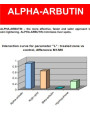
- Alpha-Arbutin vs. Lemon Peel: The staff recommends trying the basic formula with Niacinamide and NAG first. These two ingredients already offer some skin brightening benefits. If you are not satisfied, you can consider adding more expensive ingredients like Alpha Arbutin later. Lemon Peel Bioferment is a fermented lemon peel extract that inhibits the Tyrosinase enzyme, also helping with skin brightening.
BHA Toner Formula
For the BHA Toner formula with Salicylic acid 1.5%, Propylene glycol 38.5%, Polysorbate 20 3%, and Water.
Questions about BHA Toner:
- How to use: Correct. This formula will be a liquid. You can soak a cotton pad and wipe your face with it like a regular toner. If you prefer a thicker texture, you can add a gel maker like Aristoflex AVC or Xanthan Gum.
- Container: You can use a regular clear plastic pump bottle. The acidity of BHA at 1.5% is not strong enough to cause issues with typical plastic bottles. However, you should avoid direct sunlight exposure to maintain the effectiveness of the ingredients. Bottles from the website can be used directly; they are processed and sealed, so no need to clean them again.
- Mixing container: Lab glassware can be used for mixing as it is resistant to acid and heat. The crucial point is that the mixing container must be very clean. It should be thoroughly cleaned to prevent microbial contamination.
Hope this information is helpful! Feel free to ask if you have any more questions.
Related Products Mentioned
Alpha Arbutin (Switzerland)
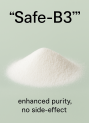
Safe-B3™ (Vitamin B3, Niacinamide)
Allantoin
GlucoBright™ (Acetyl Glucosamine)
Calendula Extract (Water Soluble)
Propylene Glycol (USP)
Glycerin (USP/Food Grade)
Sodium Lactate (60% Liquid, Natural)
Salicylic Acid (BHA, Pharma Grade)
Urea (High Purity, Cosmetics, Powder)
Phenoxyethanol (Extra Pure)
Sodium PCA 50%
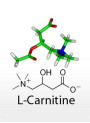
L-Carnitine (Carnitine)
Polysorbate 20 (Tween 20)
Disodium EDTA
Lemon Peel Bioferment (Lemon Skin™)