Cream Formula Review and Suggestions
Question
I have a cream formula with the following ingredients and percentages, which sum up to 102.5%:
- Ingredient 1: 40%
- Witch Hazel: 5%
- Glycerin: 15%
- Disodium EDTA: 0.2%
- Mineral Oil: 24.3%
- Vitamin E: 2%
- Beeswax: 7%
- Light Cream Maker: 1.5%
- Milk Lotion Maker: 5%
- Vitamin C (L-ascorbic acid): 1%
- Glutathione: 1.5%
- Mild Preserved Eco: (Percentage not specified)
My mixing method is as follows:
- Heat the oil phase to 60°C.
- Mix the oil phase with the water phase (assuming the water phase was also prepared).
- Add Vitamin C (L-ascorbic acid) while the mixture is at 60°C.
- Add Glutathione when the temperature is below 30°C.
- Add Mild Preserved Eco during the cooling phase.
Could you please review this formula and method and provide suggestions for improvement?
Answer
Formula Review and Suggestions
Regarding the cream formula and method posted by user nikypam1, I have reviewed it and have the following suggestions:
Review of the Formula and Method (from nikypam1's post)
Ingredient Percentages: The sum of the percentages in the formula (40 + 5 + 15 + 0.2 + 24.3 + 2 + 7 + 1.5 + 5 + 1 + 1.5) equals 102.5%, which is over 100%. Typically, cosmetic formulas include Water as the remaining component to reach 100%. You should re-check the total amount of ingredients and adjust the water amount accordingly.
Mixing Method:
- Temperature: Using a temperature of 60°C for the oil phase might not be high enough to fully melt and properly incorporate Beeswax and Milk Lotion Maker. Some waxes and emulsifiers require a higher temperature (as suggested by cosmeceutical7, around 70-80°C) to melt completely.
- Adding Vitamin C (L-ascorbic acid): L-ascorbic acid is heat-sensitive. Adding it to the water phase and then heating it to 60°C (or higher) will cause the Vitamin C to degrade easily. Vitamin C should be added during the cooling phase of the cream (generally recommended below 40°C).
- Combining Water and Oil Phases: The standard method for creating an emulsion (cream) is to heat the water phase and the oil phase separately to the same temperature, which is high enough to melt the waxes/emulsifiers in the oil phase. Then, one phase is slowly added to the other while stirring or homogenizing, rather than mixing both phases first and then heating.
- Adding Glutathione: Adding Glutathione below 30°C is correct, as Glutathione is also heat-sensitive.
- Adding Mild Preserved Eco: Adding the preservative during the cooling phase of the cream is correct.
Ingredient Compatibility: The ingredients in the formula are generally compatible for a cream formulation. However, the stability of heat-sensitive and oxidation-prone ingredients like Vitamin C (L-ascorbic acid) and Glutathione is a key consideration.
- Vitamin C Stability: L-ascorbic acid is most stable in an acidic environment (low pH, around 3.5). The formula does not mention pH adjustment. If the pH is high, Vitamin C will degrade very quickly. Using Vitamin C at a low pH might also affect the stability of the emulsion or other ingredients; this requires testing and proper formulation.
- Degradation: Vitamin C and Glutathione can degrade upon exposure to air and light. The product should be stored in opaque, airtight containers.
Cream Setting Time: After mixing and stirring until a cream forms, the cream will gradually thicken and fully set as it cools. It typically takes about 24 hours for the cream to reach its final stable viscosity. However, once the cream is cool and appears stable, it can generally be packaged and used.
Suggested Adjustments to the Formula and Method:
To improve the stability and efficacy of the formula, I recommend the following method:
- Adjust Percentages: Calculate the amount of Water needed in the water phase to make the total formula equal 100%.
- Prepare and Heat Phases Separately:
- Water Phase (Phase A): Water (calculated amount), Witch Hazel, Glycerin, Disodium EDTA. Heat this phase to approximately 70-80°C.
- Oil Phase (Phase B): Mineral Oil, Vitamin E, Beeswax, Light Cream Maker, Milk Lotion Maker. Heat this phase to approximately 70-80°C (ensure Beeswax and Milk Lotion Maker are fully melted).
- Combine and Emulsify: Slowly pour the Water Phase (Phase A) into the Oil Phase (Phase B) or vice versa (depending on the specific emulsifier, but adding the water phase to the oil phase while stirring is common for O/W creams) while stirring or using a homogenizer at 70-80°C until the ingredients are well combined and an emulsion forms.
- Cool and Add Heat-Sensitive Ingredients: Cool the cream while stirring continuously.
- When the temperature is below 40°C, add Vitamin C (L-ascorbic acid), which may be pre-dissolved in a small amount of water if necessary. If pH adjustment is needed for Vitamin C stability, do it at this stage (consider the impact on other ingredients at low pH).
- When the temperature is below 30°C, add Glutathione (may be pre-dissolved in a small amount of water) and Mild Preserved Eco.
- Continue Stirring Until Cool: Continue stirring the cream until it has cooled completely.
Important Considerations:
- When making cosmetics at home, ensure all equipment and the environment are clean to prevent microbial contamination.
- Always test the formula and method on a small scale first to check the texture, stability, and results before making larger batches.
I hope this information is helpful. Please feel free to ask if you have any further questions.
Related Products Mentioned
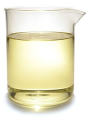
Vitamin E (Tocopheryl Acetate)
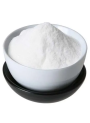
Vitamin C (L-ascorbic acid) (Fine)
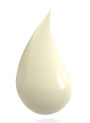
Light Cream Maker™
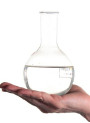
Glycerin (USP/Food Grade)

Disodium EDTA
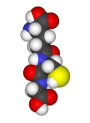
Glutathione (L-Glutathione) (Extrasol)

Mild Preserved Eco™ (Preservative-Free)