DIY Skincare Formulation for Dry Skin: Addressing Stability, Compatibility, and Ingredient Issues
Question
I am formulating skincare products for my dry skin, which also has acne marks and fine lines. I have encountered several technical issues and have some questions regarding my formulas and ingredient usage:
1. Is it acceptable to mix the formula by simply putting all ingredients in a bottle and shaking?
2. When should I add the preservative, such as Phenoxyethanol?
3. When is the best time to add ingredients containing electrolytes, like Sodium Lactate or DMAE Powder?
4. How should I incorporate oil into a formula using Pro Polymer as a thickener?
5. How do I determine the appropriate concentration of SiliSolve or SiliSolve Plus needed to emulsify oil/silicone, especially in formulas with high electrolyte content?
6. Is DMAE Powder stable in acidic conditions, and can I dissolve it in the water phase before adjusting the pH?
7. Should Soy Extract precipitate in a finished product, and is shaking before use a solution?
8. Is it acceptable to use drinking water with high mineral content (like Singha water at 308ppm) in cosmetic formulations, and is Disodium EDTA at 0.2% sufficient to chelate minerals in such water?
I have also tried making a foot formula with Urea, Sodium Lactate, and Lactic Acid, which has a slightly unpleasant smell. Additionally, I attempted to add Orange Oil for scent to a foot formula using Pro Polymer for emulsification, but it didn't work well.
Answer
Hello,
Thank you for sharing your formula and skin concerns. Based on your description of dry skin, acne marks, and fine lines, and the feedback provided, here's a summary and response to your questions:
Skin Concerns and Formula Review:
Your skin is quite dry, and this is likely contributing to the fine lines. While your initial formula included good ingredients, the moisturizing components were likely insufficient. The suggestion to remove L-Carnitine was appropriate as it targets oil control, which is not your primary need.
The staff's revised formula focused on boosting moisture, which is key for dry skin and can also help improve the appearance of fine lines and support skin recovery from acne marks.
Staff's Suggested Moisturizer Blend (based on your available ingredients):
- Aloe Vera Extract 3%
- Allantoin 0.2%
- Panthenol (Pro Vitamin B5) 3%
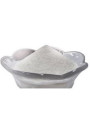
- Natural Betaine (Trimethylglycine) 5%
- Natural Moisturizing Amino Acids 3%
- Rose Hip Oil 10%
Combined with the whitening agents (Vitamin B3, Niacinamide (Safe-B3™) 5%, N-Acetyl-D glucosamine (GlucoBright™) 4%) and reduced anti-aging ingredients (DMAE (SkinTight MD™) Powder 1%, Soy Extract 1%), this blend provides a more comprehensive approach for dry skin with the mentioned concerns. French Pine Bark Extract was suggested for removal due to its potential to darken the formula's color.
Regarding PE-1 Aqua and Vitamin E, it's recommended to choose one as they can interfere with each other.
Answers to Your Questions:
- Mixing in a bottle and shaking: While possible for very simple formulas, for emulsions or gels, gradually adding one phase to the other while stirring is generally recommended for a more stable and uniform texture.
- Preservative timing (Phenoxyethanol): You can add the preservative to the water phase before mixing or at the end after the formula is complete. Storing the formula in the refrigerator is a good practice, especially if you omitted the preservative, but it doesn't replace the need for a preservative for longer storage or use at room temperature.
- Electrolyte timing: Adding electrolyte-containing ingredients (like Sodium Lactate or high concentrations of powders like DMAE) at the end after the main texture is formed can be easier. However, they can destabilize some thickeners/emulsifiers (Light Cream Maker, Pro Polymer), potentially requiring more thickener to maintain consistency. SiliSolve or SiliSolve Plus are generally more tolerant of electrolytes.
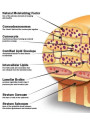
- Pro Polymer with oil: To incorporate oil when using Pro Polymer, first hydrate the Pro Polymer in the water phase to form a gel, and then gradually add the oil phase while stirring.
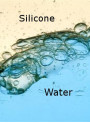
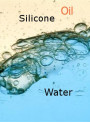
- SiliSolve concentration: The concentration of SiliSolve needed depends on the amount of oil/silicone to be emulsified and the desired texture. 1% is a starting point, but you might need to adjust based on your specific formula and desired outcome. It is particularly useful for formulas with high electrolyte content.
- DMAE Powder acid tolerance: DMAE (SkinTight MD™) Powder is stable and can be dissolved in the water phase. You can adjust the pH after the formula is complete.
- Soy Extract precipitation/shaking: Soy Extract should not precipitate in a properly formulated product. If it does, it suggests an incompatibility or formulation issue. Shaking before use might temporarily disperse it but doesn't fix the underlying problem.
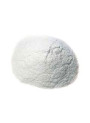
- EDTA with Singha water: Using water with high mineral content (like Singha water at 308ppm) is not recommended for cosmetic formulations as minerals can interfere with ingredients and stability. It's best to use distilled or RO water (ideally below 20ppm). Disodium EDTA at 0.2% helps chelate metal ions but may not be sufficient for very hard water.
Experience with Your Trials:
It's great that you experimented with the ingredients you had! Your experience with the Pro Polymer formula confirms that incorporating a significant oil phase requires careful mixing. Adding PE-1 Aqua helped with absorption, as expected.
For the foot formula with Urea, Sodium Lactate, and Lactic Acid, the slightly unpleasant smell is indeed normal and comes from the Lactic Acid, which is derived from fermented milk products.
Regarding adding Orange Oil for scent to the foot formula using Pro Polymer for emulsification: As the staff mentioned, this formula has high electrolyte and acid content, making it difficult for Pro Polymer to thicken or emulsify effectively. While you might be able to disperse the oil with strong mixing, it might not be stable. For adding fragrance/essential oil to water-based formulas without affecting clarity, Flora Solve or Flora Solve Clear are recommended, typically used at 3-5% per 1% oil.
It's wonderful to hear that you are seeing positive results with your homemade formulas and finding that mixing your own products is more effective and cost-efficient!
Your suggestions for selling dropper bottles, glass rods, and desiccant packets have been noted and passed on to the relevant department.
Thank you for sharing your experiences and questions!
Related Products Mentioned

SNAP-8®
Vitamin E (Tocopheryl Acetate)
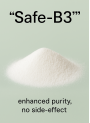
Safe-B3™ (Vitamin B3, Niacinamide)

Allantoin
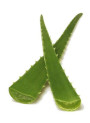

Rosehip Oil (Extra Virgin Organic)
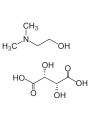
DMAE (dimethylaminoethanol bitartrate)
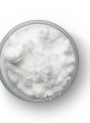
GlucoBright™ (Acetyl Glucosamine)
Light Cream Maker™
Sodium Lactate (60% Liquid, Natural)
Urea (High Purity, Cosmetics, Powder)
Phenoxyethanol (Extra Pure)
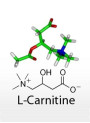
L-Carnitine (Carnitine)
Natural Betaine (Crystal)

Lactic Acid (AHA) 88%
Disodium EDTA
Pro Polymer™ (Gel Maker)

Soy Extract (Isoflavones / Genistein)
SiliSolve Plus™