Formulating an Oil-Based Body Sugar Scrub: Texture, Stability, and Ingredient Questions
Question
I am planning to create an oil-based body sugar scrub using several oils. I want it to be a pure oil base (anhydrous), but with a slightly viscous texture for ease of use. The goal is to make the skin moisturized, smooth, and soft.
I am considering using the following oils:
- Olive Oil
- Jojoba Oil
- Avocado Oil
- Shea Butter Light Oil
- Safflower Seed Oil
- Grape Seed Oil
- Fractionated Coconut Oil
I have several questions:
- If I use about 4 types of these oils, can I determine the proportion of each oil myself?
- Which of these oils have a mild or no scent?
- Does Fractionated Coconut Oil have a strong coconut scent? I intend to use this as the main oil, but I don't want a strong coconut smell. If it has a strong scent, which other oil would you recommend as the main base?
- If I want the scrub to be slightly liquid and viscous, not clumping into hard lumps after several days, what ingredients should I add? I previously mixed sugar with Johnson's baby oil, and it hardened into solid lumps after one week, which felt very abrasive on the skin.
- If I want to store it for up to 1 year, do I need to add a preservative?
- If the mixed oils in the scrub are stored for a long time, will they develop a rancid smell?
- Can I add Apricot scrub and Coffee Scrub to the mixture? Will they dissolve in the oil and disappear from the scrub?
Answer
Creating Your Oil-Based Body Sugar Scrub
It sounds like a wonderful project! Creating your own oil-based sugar scrub allows you to customize the feel and benefits. Here are the answers to your questions:
Oil Ratios: Yes, you can absolutely adjust the ratios of the oils you choose. The total amount of the oil blend is what matters for the overall texture of the scrub (how much oil compared to sugar). You can mix and match the oils you like to achieve the desired feel and skin benefits. Some oils are lighter (like Fractionated Coconut Oil or Grape Seed Oil), while others are richer (like Olive Oil or Avocado Oil). Experimenting with different combinations will help you find your preferred texture and moisturizing effect.
Oils with Low/No Scent: Based on the product descriptions:
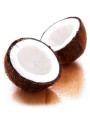
- Fractionated Coconut Oil is described as odorless.
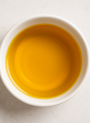
- Jojoba Oil (Golden - Deodorized) is described as odor-free.
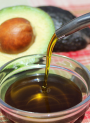
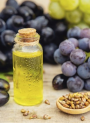
- Avocado Oil (Refined) and Grape Seed Oil typically have very mild or no scent, especially in their refined forms.
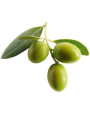
- Olive Oil (Extra Virgin) can have a distinct olive scent.
- Shea Butter Light Oil may have a very mild scent compared to raw shea butter.
- Safflower Seed Oil when fresh should have a mild scent, but can develop a strong odor if rancid.
Fractionated Coconut Oil Scent and Alternatives: Fractionated Coconut Oil is specifically processed to be odorless. If you want a truly scent-free base oil, this is an excellent choice. If you find it has any scent you dislike (though it shouldn't), or if you prefer another oil as the main component, Jojoba Oil (Golden - Deodorized) is another great option that is described as odor-free and is very similar to the skin's natural oils, making it highly moisturizing and non-greasy. Grape Seed Oil is also a light, low-odor oil that is popular in skincare.
Preventing Clumping and Achieving Viscosity: Sugar scrubs made only with sugar and liquid oil tend to clump over time because sugar is hygroscopic (absorbs moisture) and can also absorb some oil unevenly, leading to hardening and sharp edges that can feel abrasive. To prevent clumping and create a stable, slightly viscous texture, you need to incorporate an oil gelling agent or oil thickener. These ingredients help to create a stable structure within the oil phase, keeping the sugar particles suspended and preventing them from settling and hardening.
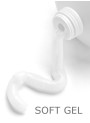
- Suitable options include products from the Oil Thick™ range, such as Oil Thick™ Soft, Oil Thick™ Hard, Oil Thick™ Transparent, or Oil Thick™ Thixotropic. These are designed to thicken oils and create gel-like textures. The specific one you choose will depend on the desired final consistency (soft gel, harder gel, clear gel, thixotropic gel). You would typically heat the oil blend and the oil gelling agent together to incorporate it properly. Sugar Gel is another gelling agent, but it requires the presence of water and glycerin to work, which may not fit your goal of a purely oil-based scrub.
Preservation for 1 Year Shelf Life: For a truly anhydrous (water-free) oil and sugar scrub, microbial growth (bacteria, mold, yeast) is generally not a concern because these organisms need water to survive and multiply. Therefore, traditional water-soluble preservatives like Global Guard™ 221, Mild Preserved™ COS, or NaturePreserve™ LB2 are not necessary for microbial protection in this specific type of formula.
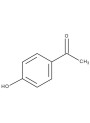
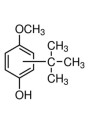
- However, the main concern for long-term storage of oil-based products is oxidation, which leads to rancidity (the unpleasant smell you mentioned). To prevent this and extend the shelf life up to a year, you should include an antioxidant in your oil blend. Ingredients like Hydroxyacetophenone or Butylated Hydroxyanisole can help protect the oils from oxidation.
- It is crucial to ensure no water is introduced into the scrub during use (e.g., from wet hands or shower environment), as this would introduce the risk of microbial contamination, and an oil-based formula alone would not be protected. Proper storage in a dry place is key.
Oil Rancidity: Yes, oils can go rancid over time, especially natural oils, due to exposure to air, light, and heat. This is an oxidative process that breaks down the fatty acids, resulting in an unpleasant smell. Using an antioxidant (like those mentioned in point 5) and storing the scrub in a cool, dark place in a tightly sealed container will help significantly extend its shelf life and prevent rancidity.
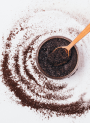
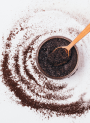
Adding Apricot and Coffee Scrubs: Yes, you can definitely add solid exfoliant particles like Apricot scrub or Coffee Scrub to your oil-based sugar scrub. These are solid particles and will not dissolve in the oil. They will remain suspended in the oil/sugar mixture and provide additional exfoliation. You can add them along with the sugar. Ensure the particle size is suitable for body exfoliation (not too large or sharp to avoid skin irritation).
By incorporating an oil gelling agent and an antioxidant, you can create a stable, non-clumping, and long-lasting oil-based sugar scrub that provides excellent moisturization and a pleasant user experience.
Updated Review: May 2026
This section was added after reviewing the original answer against current product availability and formulation knowledge at the stated point in time.
Update as of 2026-05-24: The original guidance is still mostly valid, but for a truly water-free sugar scrub, the better thickening route is now to use an oil-soluble oil gellant such as Oil Thick™ Soft, Oil Thick™ Hard, Oil Thick™ Transparent, or Oil Thick™ Thixotropic. These are Dextrin Palmitate-based oil thickeners that are processed in the oil phase with heat. Sugar Gel can still create a nice clear oil-gel texture, but it requires glycerin and water, so it is not the best choice if the goal is strictly anhydrous.
Fractionated Coconut Oil remains a good main oil when you want a light, clear, low-odor base. Deodorized Jojoba Oil is also still a good low-odor option, and there are now Golden, Clear, and Yellow deodorized versions in the catalog.
For longer storage, the key risk in an oil scrub is rancidity, not microbial growth, as long as the formula remains completely water-free and water is not introduced during use. Current preferred antioxidant options for an oil-only scrub are tocopherol-based antioxidants such as Vitamin E / Natural Vitamin E, or a stronger oil-soluble antioxidant such as Protec™ OX. Hydroxyacetophenone is better treated as an antioxidant/preservative-booster for systems where it can be properly dissolved, but it is not the first choice for a simple oil-only scrub. If you use Sugar Gel, Fractionated Coconut Oil Gel, or any system containing water/glycerin, treat it as no longer purely anhydrous and pay more attention to preservation, packaging, and avoiding contamination from wet hands.
Related Products Mentioned
Olive Oil (Extra Virgin)
Jojoba Oil (Golden - Deodorized)
Avocado Oil (Refined)
Fractionated Coconut Oil
Shea Butter Light Oil
Butylated Hydroxyanisole
Global Guard™ 221 (pH 2-7, Natural)

Oil Thick™ Thixotropic
Coffee Scrub (60-80Mesh)
Coffee Scrub (80-100Mesh)
NaturePreserve™ LB2
Vitamin E (dl-alpha tocopherol)
Jojoba Oil (Clear - Deodorized)
Fractionated Coconut Oil Gel