Scar Reduction Oil Formula for Pregnant Women & Children: Safety, Stability & Mixing
Question
I have an oil formula for scar reduction intended for pregnant women and children. The formula includes:
- Mineral Oil
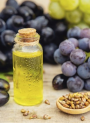
- Grape Seed Oil
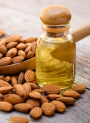
- Sweet Almond Oil
- Avocado Oil
- Tamanu Oil
- Jojoba Oil
- Rose Hip Oil
- LipidSoft
- Vitamin C Ester (5%)
- Bisabolol
- Rosemary Oil
- Vitamin E acetate
- Eugenol
I have the following questions about this formula:
- Are all these ingredients safe for pregnant women and children? Specifically, is Eugenol safe?
- Are these ingredients compatible? Do I need to add an emulsifier or something like Oil Blender?
- What is the expected shelf life when using Rosemary Oil and Vitamin E acetate as antioxidants?
- What is the recommended mixing method for this formula? Can I mix it at room temperature?
Answer
Analysis of Scar Reduction Oil Formula for Pregnant Women and Children
Here is an analysis of the oil formula you provided for reducing scars, considering its suitability for pregnant women and children:
1. Potential Harmful Ingredients
Based on the formula provided and general safety considerations for sensitive groups like pregnant women and children, it is recommended to remove Eugenol from the formula. While current evidence does not definitively confirm harm, there is significant discussion around its safety for this demographic. Avoiding it provides an extra layer of caution.
The other ingredients listed, including Mineral Oil, various natural oils (Grape Seed Oil, Sweet Almond Oil, Avocado Oil, Tamanu Oil, Jojoba Oil, Rose Hip Oil), LipidSoft, Vitamin C Ester, Bisabolol, Rosemary Oil (likely Rosemary Oleoresin Extract used as an antioxidant), and Vitamin E acetate, are generally considered suitable for cosmetic use. However, always ensure the quality and purity of each ingredient, especially for products intended for sensitive skin or populations.
2. Ingredient Compatibility and Emulsifier Need
The ingredients in this formula are primarily oils and oil-soluble components. They are generally compatible and should mix together without needing a primary emulsifier to create an oil blend.
However, if you observe any separation of the oils after mixing, you can add a small amount (1-2%) of Oil Blender to help improve the stability and homogeneity of the mixture.
3. Shelf Life with Rosemary Oil and Vitamin E Acetate
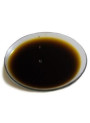
You are using Rosemary Oil (likely Rosemary Oleoresin Extract) and Vitamin E acetate as antioxidants to help extend the shelf life of the natural oils in the formula. Both are known antioxidants. Rosemary Oleoresin Extract is noted for its high efficiency, especially when combined with Vitamin E. Vitamin E acetate is a stable form of Vitamin E.
While these ingredients help protect the oils from oxidation and rancidity, it is not possible to determine the exact shelf life of the final product without conducting stability testing under various environmental conditions (light, temperature, air exposure). These factors significantly impact the actual lifespan of the product.
4. Mixing Method
All the ingredients in this formula can be mixed together at room temperature. Simply combine the ingredients and stir or shake until they are uniformly blended. For ingredients like Vitamin C Ester, which can be a powder, ensure it is fully dissolved in one of the oils (it has limited solubility in natural oils, around 0.03-0.12%) before combining with the rest of the mixture. Heating Vitamin C Ester above 70°C for more than 5 minutes should be avoided. Given the low concentration (5%) and the oil base, it should dissolve sufficiently at room temperature with adequate mixing.
Related Products Mentioned
Vitamin E (Tocopheryl Acetate)

Natural Bisabolol (Brazil Chamomile)
Jojoba Oil (Golden - Deodorized)
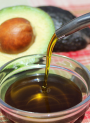
Avocado Oil (Refined)
Rosemary Oleoresin Extract (ROE)

LipidSoft™ Palm (Ethylhexyl palmitate)



LipidSoft™ Moist (Triethylhexanoin)
Rosehip Oil (Virgin, Fresh)

LipidSoft™ Shine

LipidSoft™ Cyclo (e.q. Cetiol Ultimate)
LipidSoft™ Lux
Grape Seed Oil (Cold-Pressed, Green)
Rosehip Oil (Extra Virgin)