Serum Color Change: From Greenish to Brownish
Question
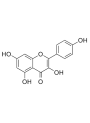
Hello, I notice that the color of the serum I am making is going slightly brown in color. When I first make it, its closer to a greenish color, but then when left out of the fridge in a closed dark dropper bottle it goes slightly brown the next day. I was wondering if its the Calendula Extract, as its the only thing where it says 10C storage, or maybe its some other interaction between the ingredients.
Here is my ingredients list:
Distilled Water: q.s. to 100% (21.365g Adjusted)AnyGel™(Dehydroxanthan Gum): 0.6% (0.30g)X-Glycerin(Polyglycerin-10): 3.0% (1.50g)Propanediol: 2.0% (1.00g)Aminomatte(Sarcosine): 1.0% (0.50g)Betaine: 1.0% (0.50g)Liquid Azelaic™(Azeloglycina): 8.0% (4.00g)Safe-B3™(Niacinamide): 5.0% (2.50g)D-Panthenol Care(100% Liquid): 2.0% (1.00g)Micromul™ Kaempferol: 2.0% (1.00g)Calendula Extract: 2.0% (1.00g)Ultra-Xylane™: 3.0% (1.50g)Decarboxy Carnosine HCl: 0.2% (0.10g)Micromul™ EGCG: 3.0% (1.50g)Pep-Calm™(Palmitoyl Tripeptide-8): 2.5% (1.25g)Pep®-GHK2CU1-10000: 2.0% (1.00g)Tetrapeptide-21 Solution: 3.0% (1.50g)Syn-Ake eq.: 4.0% (2.00g)WaterSil™ 8/12(Water Gel Detackifier): 3.0% (1.50g)Mild Preserved HD™(Propylene Glycol, 1,2-Hexanediol, Hydroxyacetophenone): 1.0% (0.50g)
Answer
The color change you are observing in your serum—shifting from a greenish tint to a brownish one—is a common occurrence when working with complex botanical extracts and active ingredients. Based on your formula, here is an analysis of the likely causes:
1. Oxidation of Polyphenols (The Primary Cause)
The most likely culprits for the browning are Micromul™ EGCG and Calendula Extract (Water Soluble).
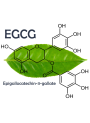
- EGCG (Epigallocatechin Gallate): This is a highly potent antioxidant but is extremely sensitive to oxidation. When it oxidizes, it turns from clear/light to orange or dark brown.
- Calendula Extract: As you noted, this extract contains lutein and other phytochemicals that are sensitive to temperature and light. The raw material itself is a dark brown-red liquid. When diluted in a serum and exposed to air/room temperature, it can contribute to a color shift as it stabilizes or degrades.
2. Interaction with Copper Peptides
Your serum contains Pep®-GHK2CU1-10000, which provides the initial "greenish" or blue-green color.
- Catalytic Effect: Copper ions can act as catalysts for the oxidation of phenolic compounds (like those in EGCG and Calendula). This means the presence of the copper peptide might actually be accelerating the browning of the other antioxidants in your formula.
- Compatibility: It is generally recommended to avoid mixing high concentrations of Copper Peptides with strong antioxidants like EGCG in the same formula, as they can sometimes neutralize each other or cause stability issues.
3. pH and Stability
- Niacinamide (Safe-B3™): This ingredient is most stable at a pH of around 6.0.
- EGCG Stability: EGCG is much more stable at a slightly acidic pH (around 4.0–5.0). If your serum's pH is closer to 6.0 (to accommodate Niacinamide), the EGCG will oxidize much faster.
- Liquid Azelaic™ (Azeloglycina): This also performs best in a specific pH range (typically 5.0–7.0).
4. Storage and Packaging
- Dropper Bottles: Even in a dark bottle, every time you open a dropper, you introduce fresh oxygen into the bottle. This "headspace" oxygen is enough to trigger the oxidation of sensitive ingredients like EGCG and Calendula.
- Temperature: Since the Calendula Extract and EGCG are heat-sensitive, leaving the bottle at room temperature significantly speeds up the chemical reactions causing the color change.
Recommendations:
- Refrigeration: Continue to store the finished serum in the refrigerator. This is the most effective way to slow down the oxidation process.
- pH Check: Measure the pH of your serum. Aiming for a pH of around 5.0–5.5 may provide a better balance for stability, though EGCG may still brown over time.
- Packaging: If possible, switch to an airless pump bottle. This prevents air from entering the container during use, which is critical for preserving EGCG and botanical extracts.
- Formula Separation: You might consider making two separate serums: one for the Copper Peptides and another for the botanical antioxidants (EGCG/Calendula), to prevent the copper from catalyzing the oxidation.
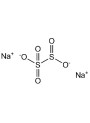
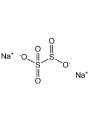
- Antioxidant Protection: Adding a water-soluble antioxidant stabilizer (like Sodium Metabisulfite, though not in your current list) can help, but refrigeration and airless packaging are the best "clean" solutions.
The browning doesn't necessarily mean the serum is "spoiled" immediately, but it does indicate that the antioxidant potency of the EGCG and Calendula is decreasing.
Follow-up Replies
Question:
Hello, I notice that the color of the serum I am making is going slightly brown. When I first make it, it's closer to a greenish color, but then when left out of the fridge in a closed dark dropper bottle, it goes slightly brown the next day. I was wondering if it's the Calendula Extract, as it's the only thing where it says 10C storage, or maybe it's some other interaction between the ingredients.
My goal is to make it stable at room temperature in a regular dropper bottle without needing refrigeration or an airless pump.
Current Formulation:
Distilled Water: q.s. to 100% (21.365g Adjusted)AnyGel™(Dehydroxanthan Gum): 0.6% (0.30g)X-Glycerin(Polyglycerin-10): 3.0% (1.50g)Propanediol: 2.0% (1.00g)Aminomatte(Sarcosine): 1.0% (0.50g)Betaine: 1.0% (0.50g)Liquid Azelaic™(Azeloglycina): 8.0% (4.00g)Safe-B3™(Niacinamide): 5.0% (2.50g)D-Panthenol Care(100% Liquid): 2.0% (1.00g)Micromul™ Kaempferol: 2.0% (1.00g)Calendula Extract: 2.0% (1.00g)Ultra-Xylane™: 3.0% (1.50g)Decarboxy Carnosine HCl: 0.2% (0.10g)Micromul™ EGCG: 3.0% (1.50g)Pep-Calm™(Palmitoyl Tripeptide-8): 2.5% (1.25g)Pep®-GHK2CU1-10000: 2.0% (1.00g)Tetrapeptide-21 Solution: 3.0% (1.50g)Syn-Ake eq.: 4.0% (2.00g)WaterSil™ 8/12(Water Gel Detackifier): 3.0% (1.50g)Mild Preserved HD™(Propylene Glycol, 1,2-Hexanediol, Hydroxyacetophenone): 1.0% (0.50g)
Proposed Changes for Stability:
- If I remove the
Pep®-GHK2CU1-10000(Copper Peptide) completely and lower the pH to 5, would theMicromul™ EGCGbe stable in a conventional room temperature dark dropper bottle? - Would
Safe-B3™(Niacinamide) still be stable at pH 5? Or should I aim for pH 5.5 to keep bothMicromul™ EGCGandSafe-B3™together? - Would adding
Sodium MetabisulfiteorActiveProtec™ OXhelp achieve room temperature stability?
Answer:
Your proposed modifications will significantly improve the stability of your serum and help prevent the browning issue. Here is a detailed analysis of your plan:
1. Removing Copper Peptides (GHK-Cu)
This is the most critical step. Copper ions are powerful catalysts for the oxidation of polyphenols like Micromul™ EGCG and the compounds in Calendula Extract. Even in small amounts, copper can cause these antioxidants to turn brown almost overnight. Removing it eliminates the primary cause of the rapid color shift.
2. pH Adjustment: Niacinamide vs. EGCG
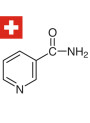
- Safe-B3™ (Niacinamide): It is highly stable across a wide range, typically pH 3.0–8.0. At pH 5.0, it remains completely stable and effective. It will not degrade into nicotinic acid (which causes flushing) at this level.
- Micromul™ EGCG: EGCG is much more stable in an acidic environment. While it is most stable between pH 4.0 and 5.0, it degrades rapidly as the pH moves toward 6.0 or higher.
- Recommendation: Aiming for pH 5.0 is the ideal "sweet spot" for a formula containing both Niacinamide and EGCG.
3. Sodium Metabisulfite vs. ActiveProtec™ OX
While both provide antioxidant protection, ActiveProtec™ OX is the superior choice for your goal:
- Chelation Power: ActiveProtec™ OX contains not only Sodium Metabisulfite but also powerful chelating agents (Disodium EDTA, Phosphonates). These "trap" trace metal ions (from water or other extracts) that would otherwise catalyze the oxidation of EGCG.
- Usage: Use ActiveProtec™ OX at 0.6% – 1.0%. It is effective at pH 4.0 and above, making it perfect for your pH 5.0 target.
4. Room Temperature and Dropper Bottle Stability
By combining these changes, you are creating a much more robust environment for the EGCG:
- Microemulsion Advantage: Since you are using Micromul™ EGCG, the microemulsion technology already provides a significant stability boost over standard green tea extracts.
- The Oxygen Factor: A dropper bottle still introduces oxygen every time it is opened. However, with the addition of ActiveProtec™ OX and the removal of copper, the oxidation process will be significantly slowed down. While an airless pump is always better for EGCG, these changes make a dark dropper bottle at room temperature much more viable for a standard shelf life.
Summary of Recommendations:
- Remove: Pep®-GHK2CU1-10000 (Copper Peptide).
- Add: ActiveProtec™ OX at 0.6% - 1.0%.
- Adjust pH: Set the final formula to pH 5.0.
- Storage: A dark dropper bottle at room temperature should now be sufficient, provided the cap is kept tight.
Note: Calendula Extract itself is naturally dark brown-red. Even when stable, it will impart a warm amber/brownish hue to the serum, but it should no longer "turn" darker brown rapidly due to oxidation.
Related Products Mentioned

Safe-B3™ (Vitamin B3, Niacinamide)

Calendula Extract (Water Soluble)
Hi-EGCG™ (Green Tea Extract)
AnyGel™ (Dehydroxanthan Gum)
Disodium EDTA
Sodium Metabisulfite (Germany)
ActiveProtec™ OX