Solving Stability and Rancidity Issues in Silk Protein Cream
Question
I am formulating a thick silk protein cream. The original formula used to be stable for a long time, but recently, it has been reverting to a liquid state and developing a rancid odor after 3 months of storage at room temperature. The current formula is as follows:
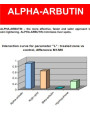
Distilled Water: 79.60%Silk Protein: 10%Comedian SP(Pro Polymer™ Silk): ?Cetiol OE: 3%Argan Oil: 2%Allantoin USP: 2%Zinc PCA: 0.2%Alpha Arbutin: 0.2%Fragrance: 1%Preservative: 0.5%Vitamin E: 0.5%
I don't have specific details on the production process (pH, temperature, sterilization) or batch size yet.
Questions:
- Should
Disodium EDTAbe added to improve stability? - What are the recommended ways to fix the stability of the cream texture and the rancidity issue?
Answer
Analysis of Formulation Stability and Odor Issues
The issues you are experiencing—the cream turning liquid and developing a rancid smell—are common challenges when working with complex active ingredients and natural oils. Here is a detailed breakdown of the causes and recommended solutions:
1. Texture Loss (Reverting to Liquid)
The primary reason your cream has thinned out is an incompatibility between your thickener and the electrolytes in your formula.
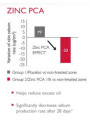
- Electrolyte Sensitivity: If you are using Pro Polymer™ Silk (ID 832), it is important to note that this specific polymer is not electrolyte-resistant. Ingredients like Zinc PCA (ID 75) are electrolytes that disrupt the polymeric network of Pro Polymer™ Silk, causing the gel structure to collapse and turn liquid over time.
- Solution: Switch to Pro Polymer™ (ID 234). Unlike the Silk version, the standard Pro Polymer™ is highly electrolyte-resistant and can maintain a stable, thick viscosity even in the presence of Zinc PCA.
- Allantoin (ID 184): Note that if Allantoin is used at 2%, it exceeds its typical solubility limit (~0.5%). This can lead to precipitation or "grittiness," which may also affect the overall stability of the emulsion.
2. Rancid Smell (Oxidation and Spoilage)
A rancid smell after 3 months usually points to two possibilities:
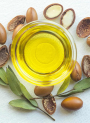
- Oil Oxidation: Argan Oil (ID 65) is a natural oil prone to oxidation. To prevent this, you must include an antioxidant like Vitamin E (Tocopherol) (ID 68) at 0.1-0.5% to protect the oil from turning rancid.
- Protein Spoilage: You mentioned using Silk Protein (ID 89) at a high concentration (10%). Proteins are highly susceptible to microbial growth. If the preservative system (ID 995) is not robust enough or the pH is not optimal, the protein can spoil, leading to a foul odor.
- Solution: Consider reducing Silk Protein to a more standard range (1-3%) or significantly strengthening your preservative system.
3. The Role of Disodium EDTA
Adding Disodium EDTA (ID 252) at 0.1-0.2% is highly recommended for this formula:
- Prevents Oxidation: It chelates metal ions that catalyze the oxidation of Argan Oil, helping to prevent rancidity.
- Boosts Preservation: It improves the efficiency of your preservative (ID 995), which is vital when using high amounts of protein.
- Stabilizes Polymer: It helps protect the polymer structure from mineral interference, further ensuring the cream stays thick.
Summary of Recommendations
- Replace Pro Polymer™ Silk with Pro Polymer™ (ID 234) for better electrolyte resistance.
- Ensure Vitamin E is present to protect the Argan Oil.
- Reduce Silk Protein to 1-3% to minimize spoilage risk.
- Always include Disodium EDTA (0.1-0.2%) to enhance overall stability.
Related Products Mentioned
Vitamin E (Tocopheryl Acetate)
Alpha Arbutin (Switzerland)

Allantoin
Argan Oil (Virgin - Deodorized)
Disodium EDTA
Pro Polymer™ (Gel Maker)