Vitamin C Efficacy, Skin Concerns, and Cream/Sunscreen Formulation Issues
Question
I have combination skin with dry cheeks and an oily T-zone, prone to clogged pores and irritation. I am using the Vitamin C E Ferulic Kit in the morning.
- Is it necessary to wait 30 minutes after applying the
Vitamin C E Ferulic Kitbefore applying moisturizer and sunscreen for optimal efficacy? - I attempted to create two formulas:
- Cream Formula: Contains high levels of Jojoba Oil and Rose Hip Oil.
- Sunscreen Formula: Uses
Light Cream Makeras the emulsifier and contains a high concentration ofSPF Protect Ultra(which includes Octocrylene and OMC).
Based on my skin type and the ingredients used, what are the potential issues with these formulas, specifically regarding clogged pores, irritation, and formula stability? How does the staff's recommended Water-in-Oil Cream formula (containing Vitamin B5, Rhamnose, Shea Butter) compare in terms of suitability for my skin concerns?
Answer
Regarding your question about the 30-minute wait time after applying Vitamin C E Ferulic Kit in the morning:
The recommendation to wait 30 minutes is for achieving the optimal efficacy of Vitamin C. This allows the Vitamin C to fully absorb and work on the skin without potential interference from subsequent layers of product.
However, as the staff previously mentioned, if waiting 30 minutes is not practical for your morning routine:
- You can consider using the Vitamin C E Ferulic Kit at night instead.
- Alternatively, applying your moisturizer and sunscreen immediately after the Vitamin C E Ferulic Kit in the morning will not cause harm. The efficacy of the Vitamin C might be slightly reduced compared to waiting, but it should still provide good efficacy (around 70-90%), which is generally acceptable.
Given your skin type (dry cheeks, oily T-zone, and tendency for clogged pores), the staff also provided important feedback on your proposed formulas:
- High levels of oils like Jojoba Oil and Rose Hip Oil may increase the risk of clogged pores.
- Your proposed sunscreen formula has an issue with the emulsifier (Light Cream Maker) not being able to handle the high oil phase (Jojoba Oil + SPF Protect Ultra).
- High concentrations of SPF Protect Ultra can feel sticky and may increase the risk of clogged pores due to ingredients like Octocrylene and OMC.
- If your skin is experiencing irritation, the staff's recommended formula 2 (Water-in-Oil Cream) is more suitable as it contains soothing ingredients (Vitamin B5, Rhamnose, Shea Butter) and helps strengthen the skin barrier, unlike formula 1 which focuses on moisture and exfoliation.
Therefore, you can choose the option that best fits your schedule, keeping in mind the slight trade-off in Vitamin C efficacy if you apply products immediately in the morning. Also, consider adjusting your cream formulas based on the staff's recommendations to better suit your skin's tendency for clogged pores and ensure formula stability.
Related Products Mentioned

Vitamin C E Ferulic
Safe-B3™ (Vitamin B3, Niacinamide)

Natural Bisabolol (Brazil Chamomile)

Jojoba Oil (Golden - Deodorized)

Rosehip Oil (Extra Virgin Organic)
Shea Butter (Refined , Deodorised)
Light Cream Maker™
Sodium Lactate (60% Liquid, Natural)
Phenoxyethanol (Extra Pure)

Lactic Acid (AHA) 88%

Pro Polymer™ (Gel Maker)

MOIST72™

Panthenol (Vitamin B5) ExtraLite™


Water-Capsule™ (Water-in-Oil Cream)
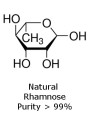
Rhamnose (rhamnose sugar)