Whitening Cream Formulation: Phase Separation, Texture, and Stability Issues
Question
Developing a cream formula with the following ingredients:
WaterEDTANiacinamideCollagenAlpha-ArbutinKojic-acidLactobionic acidIPAAlmond oilSodium Acrylates/ Beheneth-25 Methacrylate Crosspolymer (and) Hydrogenated Polydecene (and) Lauryl GlucosideTocopherol acetateAscorbic acidHyaluronic acidPhenoxyethanolFragrance
I would like to ask for advice on the following:
- What are the proper preparation methods and steps for phase separation?
- Is it necessary to include
IPAin this formula? - What factors contribute to achieving a lightweight yet opaque cream texture?
- How can I prevent
Sodium Acrylates/ Beheneth-25 Methacrylate Crosspolymer (and) Hydrogenated Polydecene (and) Lauryl Glucosidefrom clumping or separating into beads? What are the causes, and are there easier alternatives available? - If the cream turns yellow after preparation, which ingredients could be the cause, why does it happen, and how can it be fixed?
Answer
Based on your formula, here are the detailed recommendations for preparation, stability, and troubleshooting:
1. Preparation and Phase Separation
To ensure stability and proper dissolution of all actives, the formula should be divided into three main phases:
- Phase A (Water Phase): Water, EDTA, Niacinamide, and Hyaluronic Acid. Mix until clear.
- Phase B (Oil Phase): Almond Oil, Tocopherol Acetate (Vitamin E), and your Emulsifier/Polymer.
- Phase C (Active Phase - Add at <40°C): Alpha-Arbutin, Kojic Acid, Lactobionic Acid, Ascorbic Acid, Collagen, Phenoxyethanol, and Fragrance.
- Note: It is recommended to pre-dissolve the powders (Arbutin, Kojic, Ascorbic) in a small amount of water from Phase A before adding them to the emulsion to prevent grittiness.
2. Is IPA (Isopropyl Alcohol) Necessary?
In this specific formula, IPA is not necessary. It is often used to dissolve certain ingredients or to provide a "quick-dry" feel, but it can be drying to the skin and may cause the emulsion to become unstable. Given you have Almond Oil and a polymer emulsifier, the texture should already be manageable without it.
3. Achieving a Lightweight but Opaque Texture
- Lightweight feel: This comes from using a low percentage of oils (like Almond Oil) and relying on synthetic polymers for thickening rather than heavy waxes.
- Opaque (Solid White) appearance: This is naturally achieved through the emulsification of oil in water. If the cream appears too translucent, you can add an opacifier such as Styrene/Acrylates Opacifier.
4. Preventing Polymer Clumping and Alternatives
The emulsifier blend you mentioned (Sodium Acrylates/ Beheneth-25 Methacrylate Crosspolymer...) is an anionic polymer. These are extremely sensitive to electrolytes (salts).
- Cause of Clumping/Separation: Your formula contains several "salt-like" ingredients and acids (Ascorbic Acid, Lactobionic Acid, Kojic Acid, EDTA, Sodium Hyaluronate). These electrolytes "break" the polymer structure, causing it to clump into beads or lose viscosity.
- Easier Alternative: I recommend using CreamMaker EG™, which is much more resistant to electrolytes and easier to use (can be cold-processed). Another option for a "bouncy" texture is Sponge Gel.
5. Preventing Yellowing
Yellowing is a common issue with this specific combination of ingredients.
- Causes:
- Ascorbic Acid (Vitamin C): Oxidizes very quickly in water, turning yellow then brown.
- Kojic Acid: Highly prone to oxidation and light sensitivity.
- Alpha Arbutin: Can degrade if the pH is not strictly controlled.
- Solutions:
- pH Control: Keep the final pH between 3.5 - 4.0. If the pH is higher, Ascorbic Acid oxidizes faster. If lower, Niacinamide may cause skin flushing.
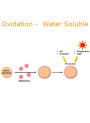
- Antioxidants: Add ActiveProtec™ OX at 0.6% to specifically prevent the yellowing of whitening agents like Arbutin and Kojic Acid.
- Stabilized Vitamin C: Consider replacing L-Ascorbic Acid with a more stable derivative like Ethyl Ascorbic Acid, which does not turn yellow easily.
Recommended Products:
- Lactobionic Acid (PHA for gentle exfoliation)
- Kojic Acid (Whitening agent)
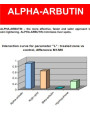
- Alpha Arbutin (Switzerland) (High-purity whitening)
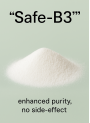
- Safe-B3™ (Niacinamide) (High-purity Vitamin B3)
- Vitamin C (L-ascorbic acid) (Ultra-Fine) (Pure Vitamin C)
- Hyaluronic Acid (Standard Molecule) (Moisturizer)
- Vitamin E (Tocopheryl Acetate) (Antioxidant)
- NaturalProfile™ Sweet Almond Oil (Base oil)
- CreamMaker EG™ (Electrolyte-resistant emulsifier)
- ActiveProtec™ OX (To prevent formula discoloration)
Related Products Mentioned
Vitamin E (Tocopheryl Acetate)
Alpha Arbutin (Switzerland)
Safe-B3™ (Vitamin B3, Niacinamide)
Vitamin C (L-ascorbic acid) (Ultra-Fine)
Lactobionic Acid
Styrene/Acrylates Opacifier (e.q. OP301)
Sponge Gel
ActiveProtec™ OX
Kojic Acid
CreamMaker EG™ (e.q. Simulgel EG)