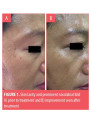
มีงานวิจัยรองรับค่ะ แต่ควรสื่อสารให้ถูกกรอบ: หลักฐานส่วนใหญ่เป็นงานวิจัยในกลุ่ม EGF / sh-Oligopeptide-1 และกลุ่ม topical growth factors สำหรับผิว ไม่ใช่หลักฐานว่าทุกสูตรสำเร็จที่ใส่ Epidermal Growth Factor (EGF, Recombinant) จะให้ผลเท่ากับงานวิจัยเสมอไป
สรุปหลักฐานที่เกี่ยวข้อง
- ด้าน skin barrier: งานวิจัย topical EGF พบว่าสามารถเพิ่ม marker ที่เกี่ยวข้องกับเกราะป้องกันผิว เช่น filaggrin, involucrin, loricrin และ occludin ในโมเดลผิวที่ barrier เสีย/มีการอักเสบ ซึ่ง marker เหล่านี้เกี่ยวข้องกับคุณภาพของผิวชั้นนอก
- ด้าน anti-aging / photoaging appearance: systematic review ปี 2023 ที่รวบรวมการใช้ topical growth-factor preparations สำหรับ facial rejuvenation พบแนวโน้มช่วยเรื่อง texture ผิว เส้นริ้ว/ริ้วรอย และภาพรวมผิว แต่ผลลัพธ์ขึ้นกับสูตรนำส่ง ความเข้มข้น รูปแบบการทดสอบ และสูตรสำเร็จจริง
- ข้อมูล clinical บางส่วน: มีรายงาน/การศึกษาขนาดเล็กที่ใช้ growth-factor preparations ใน protocol เฉพาะ รวมถึงการใช้ร่วมกับหัตถการบางรูปแบบ และพบการปรับปรุงเรื่อง texture และริ้วรอย แต่ควรใช้เป็นข้อมูลสนับสนุน ไม่ใช่การรับประกันผลในเครื่องสำอางใช้ประจำวันทั่วไป
สำหรับวัตถุดิบตัวนี้
Epidermal Growth Factor (EGF, Recombinant) เป็น active สำหรับเครื่องสำอาง เหมาะกับคอนเซปต์ anti-aging, skin-barrier support และช่วยให้ผิวดูเรียบ/สุขภาพดีขึ้น โดยไม่ควรสื่อว่าเป็นยารักษาโรค
INCI ตามแคตตาล็อก: Water (and) Collagen (and) sh-Oligopeptide-1 (and) sh-Oligopeptide-2 (and) sh-Polypeptide-1 (and) sh-Polypeptide-9 (and) sh-Polypeptide-11 (and) Sodium Chloride (and) Glycerin (and) Butylene Glycol (and) 1,2-Hexanediol ดังนั้นตัวนี้เป็น growth-factor complex ไม่ใช่ EGF เดี่ยว 100%
แนวทางการใช้ในสูตร
- ระดับใช้ทั่วไป 1–5% โดยสูตร anti-aging มักเริ่มทดลองที่ประมาณ 3%
- เติมใน ขั้นตอนสุดท้าย เมื่อสูตรเย็นแล้ว ต่ำกว่า 40°C และแนะนำประมาณ 25°C
- pH ที่เหมาะกับวัตถุดิบนี้ประมาณ 3.5–6.5 โดยข้อมูลแคตตาล็อกระบุว่า pH 3–5 ช่วยให้เสถียรดีที่สุด
- เก็บวัตถุดิบในตู้เย็น 4–8°C และหลีกเลี่ยงแสง
- ประสิทธิภาพของสูตรสำเร็จยังขึ้นกับ pH ระบบกันเสีย บรรจุภัณฑ์ ความคงตัวของ peptide การเก็บรักษา และการทดสอบ stability/compatibility ของสูตรจริง
คำเคลมที่เหมาะสม: “ช่วยสนับสนุนการฟื้นบำรุงผิว”, “ช่วยให้ริ้วรอยดูจางลง”, “ช่วยให้ผิวดูเรียบเนียนขึ้น”, “ช่วยสนับสนุนเกราะป้องกันผิว” ควรหลีกเลี่ยงคำเคลมรักษาแผล รักษาผิวอักเสบ/สิว ซ่อมแซมแผลเป็น ใช้ฉีด หรือใช้ทางการแพทย์/หลังหัตถการ หากสูตรสำเร็จไม่ได้ถูกทดสอบและขึ้นทะเบียนสำหรับบริบทนั้นโดยเฉพาะค่ะ