Browse Questions and Answers
Avg response: 24 HrsFilter Questions
20 of 14240 results
I have questions about a silicone-based physical sunscreen formulation based on staff recommendations. After understanding the mixing principles, I have the following questions: 1. When using physical sunscreen powders (200nm TiO2 and ZnO), I find that it makes the skin feel very dry. How can I fix this dryness and prevent the skin from looking 'crepey' due to the powder sunscreens used in the following formula: * Titanium Dioxide 200nm: 6% * Zinc Oxide 200nm: 5% * Silicone Blender (ประสานซิลิโคนหลากชนิด): 3% * Silicone Film: 20% * Silicone Gel (Ultra Clear): 37% * Cyclomethicone: 9% * Dimethicone: 20% 2. Is the amount of powder sunscreen in the formula above too high? The product texture is not as smooth as formulas using liquid sunscreens. 3. What would be the approximate SPF and PA values for Titanium Dioxide 200nm at 6% and Zinc Oxide 200nm at 5%? 4. At a usage rate of 20% Silicone Film, it still rubs off the skin. Compared to Vinyl Film at 10%, which adheres better but has an uneven texture (thick in some areas, thin in others), what do you recommend? 5. If I mix various types of long-lasting film formers together, such as Silicone Film, Oil Film, and Vinyl Film, will there be any problems? 6. Based on the recommendation that Silicone Film should be used if the base is silicone, I would like to know if Oil Film or Vinyl Film can be used in a silicone base. 7. When adding the long-lasting film former, I found that the sunscreen sticks strongly to the glassware used for mixing and is difficult to wash off. Are there any techniques for cleaning it? Thank you.
I am interested in making soap that can help with body odor. I have seen soaps available commercially that state they help kill bacteria and deodorize. Since I can purchase raw materials myself, I would like to try making it instead of buying it.
Regarding the use of Natural Betaine in an aqueous formula: Could you please tell me how many milliliters (mL) are equivalent to 1 gram (g) of Natural Betaine?
I have purchased Dipropylene glycol and heard it can make Fragrance oils and Essential Oils last longer. I am making lotions and Melt & Pour soap. Is it safe to add Dipropylene glycol to recipes for lotions and soap? If so, how much should I add?

I have a list of ingredients and a tool. Are these correct for a formulation? * Glycerin * Olive Oil * Jojoba Oil * Hyaluronic Acid * Chamomile * Rosemary * Color * Mold

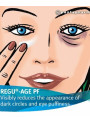
Hello, I would like to inquire about a formula for an eye cream or gel to reduce puffiness, dark circles, and wrinkles. Could you please suggest ingredients and their recommended usage rates for these specific concerns?
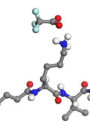

Could you please provide the INCI name for the product **Sulfate Free No-Tear Shampoo Base (pH 6, Clear, Foaming)**? This is a cleaning agent from your website. I would appreciate this information to help with my decision-making.
Is it possible to extend the new system allowing customers to specify order quantities in grams for new products to older products as well?
I want to make a body lotion for sensitive skin that provides moisturization, absorbs quickly, and is non-greasy. I also want the ingredients to be as natural as possible. Please review the following formula and provide mixing instructions: * Natural Oil 5% * Shea Butter 3% * Soy Lecithin 4% * Pentaerythrityl Distearate 3% * Polysorbate 20 1% * Water 77% * Cyclomethicone 3% * Glycerin 2% * Mild Preserved Eco 1% * Essential Oil 1% Thank you.
Could you please provide a foundation cream formulation? Previously, I ordered a sunscreen-foundation blend formula but did not achieve the desired cream texture. This time, I would like a foundation cream specifically, but incorporating **Sun Protection** with SPF 15-30. The formula should focus on covering wrinkles. Thank you.

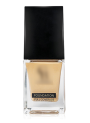
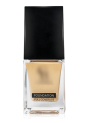
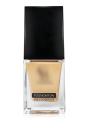
Based on the product description for Retinal (Retinaldehyde), which states it is a yellow-orange powder that degrades quickly when exposed to UV light: Why did the product I received arrive as a **dark brown** color (like tamarind paste) and **very sticky, not a powder**? Has it degraded, or can it still be used?
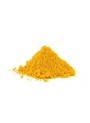
I want to buy an emulsifier for hair dye. Which one is suitable? Can I use Light Lotion Maker (Glyceryl Oleate Citrate (and) Caprylic / Capric Triglyceride)?
I have ordered many active ingredients. Except for those specified not to be refrigerated or kept at room temperature, should all of them be stored in the refrigerator? For example, some types specify storing away from heat and light. Should these be kept at normal room temperature away from light, or is it better to refrigerate them?
I would like to formulate a sulfate-free shampoo using the following ingredients. What percentage should I use for each? * Herbal Extract Water * Sulfate Free Shampoo Base * Preservative: Mild Preserved Eco™ or Phenoxyethanol SA? Which is better? * Fragrance: Bergamot Essential Oil (italy, Fruit) * Thickener: SugarThick™ * Conditioning Agent: Poly-Conditioner Pro (30000 mPa.s) or is Poly Eco sufficient? Based on this list, will the formula have foam? Do I need to add or remove anything else? Is Cocamido (Cocamidopropyl Betaine) necessary?

I am trying to make an oil-based perfume (without alcohol) using natural Essential Oil and chemical Fragrance, with Fractionated Coconut Oil as the carrier oil. I have two questions: 1. Do I need Dipropylene glycol to help dissolve the chemical and natural fragrances together? 2. If I want the scent to last longer, can I use Sugar Fix™ with oil-based perfume? Or is there another more suitable alternative? Note: The product will be a roll-on, not a spray.
I am trying to make an air freshener spray with the following formula: * LipidSoft™ Deo: 3% * Essential Oil Fragrance 100%: 10% * Alcohol 95%: 87% When sprayed, it smells good initially, but after about 5 minutes (tested on a pillow), the scent becomes pungent, smelling strongly of alcohol, and the fragrance fades significantly. Is there a way to reduce the alcohol smell and make the fragrance last longer? Thank you.
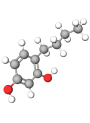
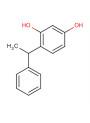
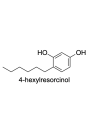
Regarding cosmetic ingredients, specifically skin-lightening agents such as derivatives of Resorcinol (e.g., 4-Butyl Resorcinol, Hexylresorcinol, or Phenylethyl Resorcinol), is it safe for individuals who are pregnant or breastfeeding to use products containing these ingredients?

Regarding the following example formula for baby shampoo/liquid soap: * Sulfate Free Shampoo Base (pH 7, Clear, Foaming) 25% * Purified Water 74% * Preservative 1% I have two questions: 1. For the Purified Water, can I use distilled water commonly found in stores for car batteries (bottles costing 10-20 baht)? 2. Which specific Preservative should I use?
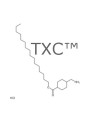
When using TXC™ (Cetyl Tranexamate HCl) in a cosmetic formula intended for sale, I have the following questions: 1. Can I list TXC™ in the ingredient list? 2. Is it correct that I cannot make a whitening claim based solely on the effect of TXC™? 3. What percentage of TXC™ is recommended for effective melasma reduction without causing noticeable skin irritation?
Could you please provide a formula or guidance on how to create a **long-lasting lip tint**?