Browse Questions and Answers
Avg response: 24 HrsFilter Questions
20 of 14228 results
What is the recommended usage percentage or amount for Japanese black tea flavor powder (water soluble) when preparing 1 liter of tea?
What are the key ingredients and formulation considerations for producing acne treatment soap (bar, liquid, or syndet), including ingredients for reducing bacteria, controlling oil, reducing inflammation, and exfoliation, while considering ingredient solubility and stability in different soap bases?
What are the solubility properties in cold/room temperature water and suitability for powder drink formulations for Alfalfa extract, Lemon Fiber (90% Fiber), Garcinia extract (50% Hydroxy Citric Acid), Green Tea Extract (EGCG 98%), and Senna Leaf Extract (Senna glycoside 20%)?
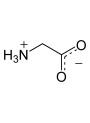
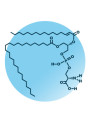
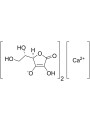
Could you please provide the recommended daily dosage and usage methods (mixing with water or encapsulating) for Calcium Ascorbate, Calcium Bisglycinate, Phosphatidyl Serine 70%, and Glycine? Specifically, for Calcium, which form (Ascorbate or Bisglycinate) offers better absorption for bone health in individuals over 45, and can Glycine be taken together with Calcium by mixing with water?
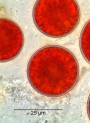
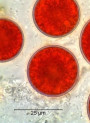
How can Astaxanthin (10% Algae Extract, Oil) be consumed, and is it possible to self-encapsulate this oil into softgel capsules?
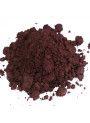
Can Odor-Kill™ be used at a concentration of 4% to effectively reduce strong odors in a formula, exceeding the recommended maximum of 3%, and what are the safety considerations for users at this higher concentration?
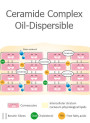
What are the recommended substitute ingredients, their usage percentages, and mixing instructions for Raffinose and the discontinued powder Ceramide Complex (CeraTouch™, Powder) when formulating a Ceramide Lotion?

How can I thicken ClearFlexPeel Film™ to make it suitable for use as a peel-off face mask?
What ingredients can be added to a Water-in-Silicone (W/Si) BB cream formula to make it mask-proof and transfer-resistant?
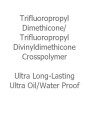
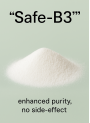
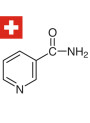
Based on the provided ingredient list, what are the key benefits of Niacinamide (Vitamin B3) for the skin and how is it typically used in cosmetic formulations like gels, serums, lotions, and creams?
How to incorporate active ingredients into pre-made cosmetic cream or mask bases, including whether heating is necessary, considerations for water/oil soluble actives, and maximum dosage limitations?
How to adjust a gentle shampoo formula using Amino Wash, Baby Foam, Guar hydroxytrimonium chloride, and Sugar Thick which results in cloudiness, insufficient viscosity, and phase separation, to achieve a clearer, more viscous, and stable product that does not separate, including the correct formula modifications and mixing procedure?
What are the functions and properties of the following cosmetic ingredients: Polyglyceryl-2 Isostearate/Dimer Dilinoleate Copolymer, Simmondsia Chinensis (Jojoba) Seed Oil, Dimer Dilinoleyl Oleate / Butanediol Copolymer, Rosa Rubiginosa Seed Oil, Caprylic/Capric Triglyceride, Corylus Avellana (Hazel) Seed Oil, Diisostearyl Malate, Castor Oil/IPDI Copolymer, and Tocopheryl Acetate?
Review of a proposed melasma serum formula containing multiple potent actives (such as Tranexamic Acid, Activated Resorcinol, 4MSK, Niacinamide) aiming for a fast-absorbing, non-sticky texture. Is this formula suitable, and what adjustments are needed for texture, stability, and overall effectiveness?
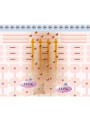
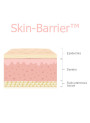
I want to create a moisturizing and exfoliating lotion using the following formula. Can this formula be mixed? Is the formula complete, or do I need to add or remove any ingredients? If I want to add sunscreen to this formula, is it possible, and what ingredient should I use? If I want the lotion texture to be soft, moisturizing, light, easily absorbed, and not leave a sticky residue on the skin, what should I add? Can I add fragrance to this formula for a body lotion? (Please also recommend fragrance scents.) Thank you. **Formula:** 1. Skin Barrier Cream Base 50% 2. Urea (High Purity, Cosmetics, Powder) 20% 3. Sodium PCA 50% 2% 4. Sodium Lactate (60% Liquid, Natural) 3% 5. Natural PHA (Gluconolactone) 3% 6. Triacetin (Glycerol triacetate), FEMA 2007 2% 7. Add water to make up 100%
I am formulating a tablet with Microcrystalline Cellulose (80%), Magnesium Stearate (2%), pigment (8%), and active ingredient (10%). The tablets I produced are not hard enough. What are some very strong tablet binders or glues that I can use, and what are their recommended usage rates?
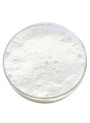
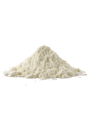
Which texture-creating ingredients should be used to achieve a soft and fluffy texture for a facial cream?
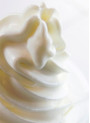
Does Titanium Dioxide Nanosil, a physical UV filter, provide SPF protection, or is it primarily used for skin tone adjustment and coverage in cosmetic formulations?
Will using 10% Hyaluronic Acid Gel Base in a water-based formula (71.25% water, all water-soluble ingredients) result in a fast-absorbing, non-sticky serum texture?
Could you provide a basic formula concept and general steps for creating a solid air freshener gel using essential oils or fragrance oils?