Browse Questions and Answers
Avg response: 24 HrsFilter Questions
20 of 14228 results
What ingredients can help make facial skin appear plump and hydrated, specifically without causing an oily look?
I am having significant issues with dissolving/emulsifying an O/W serum using a cold process. The formulation contains high levels of actives in both the oil and water phases: * **Oil Phase Actives:** * Tocotrienol 2% * Pure CoQ10 0.5% * Ascorbyl Tetraisopalmitate 3% * **Water Phase Actives:** * L-Ascorbic Acid 15% * DMI 10% * Pentylene Glycol 10% * 1,2-Hexanediol 5% I am using basic equipment like a magnetic stirrer, hot plate, and accurate scale. I am looking for a clean, green, and EWG-friendly emulsifier/solubilizer, ideally without involving heat. I have tried Polysorbate 20 and 80, but the oil still separates after a short time. Is a homogenizer necessary to prevent oil separation and ensure stability in this type of formulation?
Why is Ascorbyl Tetraisopalmitate unstable below pH 5, and how can it be stabilized, especially when formulating a serum combining it with L-ascorbic acid at low pH?
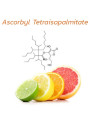
What are the differences between Hydroxypinacolone Retinoate and Retinyl Retinoate, and which one is better in terms of efficacy, stability, and skin irritation?
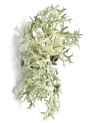
When trying to dissolve Oakmoss Absolute in alcohol, it does not fully dissolve and forms clumps. What causes this, and how can the issue be resolved?
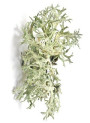
What are the functions of Magnesium Chloride when added to a water-based serum formulation?
When adjusting serum pH with sodium hydroxide (NaOH), how long should one wait before using the serum, and how does this compare to the curing time for natural soap? Also, how long should NaOH be mixed with water before being used for pH adjustment?
How can I make my face cream, which already contains 4% Cyclopentasiloxane, exceptionally smooth? What ingredients are recommended to achieve this super smooth texture?
What is the role of Maltose in cosmetics, and what are the benefits of its derivative, Maltobionic acid (PHA), in skincare formulations?
What is a suitable substitute for PEG-60 Hydrogenated Castor Oil with similar properties, and how should it be mixed?
Can Creatine 100, which benefits hair, be used to moisturize and condition eyebrows and eyelashes, and what is the suitable usage percentage (0.5% or 1%)? Also, is 'Mild Preserved' suitable for mascara/eyelash products, and if not, what preservative is recommended for the eye area?
As a beginner in cosmetic formulation, I would like to know how to make a cleansing balm. Could you please provide guidance on the essential ingredients and basic mixing steps?

What are some starting ingredients or ideas for formulating a reusable eyelash glue with properties similar to Band-Aid adhesive, focusing on film formers?
Could you provide a guide for formulating a gentle cleansing balm that is natural oil-free, uses PEG-8 Glyceryl Isostearate as a key ingredient, and is effective for removing sunscreen from the face?
How can I reduce the stickiness of a gel formulation while ensuring it remains clear and doesn't become cloudy? Please recommend suitable ingredients.
I am new to making cosmetics and would like to request a formulation recipe for a cleansing balm.
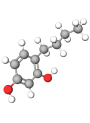
What is the correct method and step for dissolving 4-butylresorcinol in a formulation, considering different forms like powder (e.g., Activated Resorcinol™) and encapsulated liquid (e.g., NanoRes™), and are there specific conditions like pH or temperature to consider?
When formulating perfume using solid fragrance ingredients like Musk Ambrette and Celestolide, crystallization occurs when dissolved in alcohol. Are there alternative solvents or methods to prevent this crystallization?
How can I find the country of origin for a purchased Ginkgo extract when the Certificate of Analysis (CoA) does not specify it?
How can I prevent or fix cloudiness when mixing clear fragrance oil with 99% alcohol? Are there alternative solvents besides alcohol or oil that can keep the perfume clear?