Browse Questions and Answers
Avg response: 24 HrsFilter Questions
20 of 14241 results
I would like feedback on two cosmetic formulations I have created for oily skin with redness and acne marks: 1. **Hydrating Essence (Day and Night Use)** * Lavender Water: 71.75% * Niacinamide: 5% * Acetyl glucosamine: 5% * Panthenol B5: 5% * Double Hyaluron Liquid: 5% * Olive Extract: 2.5% * Grape Seed Extract: 2.5% * Hydro Algae: 2% * Phospholipid: 1.25% 2. **Regenerating Serum (Night Use)** * Lavender Water: 60% * Avocado Oil: 11% * Repair Activator: 10% * Phospholipid: 5% * Natural Amino acid: 5% * Urea: 3% * Rice Vitamin B8: 2.5% * Cetyl PEG/PPG-10/1 Dimethicone: 1.5% * Green Tea Extract: 1% * Lycorice Extract: 1% Could you please review these formulas for feasibility, mixing instructions, and suitability for oily skin with redness and acne marks?
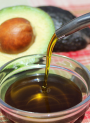
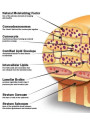
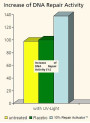
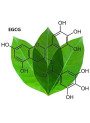
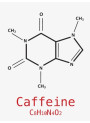
I have formulated a cream containing the following ingredients: * Copper Peptide * Pep-Coll * Argireline * Caffeine * EGCG * Adenosine * Phenoxyethanol The formula has a pH of 5.5. After mixing, the product is packaged in [User needs to specify packaging type - assumed to be asked by staff for diagnosis]. Over time, the cream is turning brown. I am considering switching the preservative from Phenoxyethanol to Mild Preserved Eco. What is causing the browning, and how can I prevent it? Will switching the preservative help?
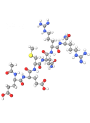
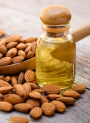
I am making lipstick/lip gloss using oil, wax, and butter bases. I am interested in using `Mild Preserved Eco` as a preservative. Can `Mild Preserved Eco` disperse well in oil-based formulas like these?
Regarding a water-based hair growth serum formula, I would like to know: * Can I add **fragrance** and **color** to this formula? * What types of **color** are suitable for a water-based formula? * What is the process for **ordering production** of this formula?
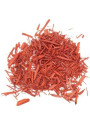



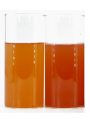
If I want to use **Rose Water (Rosa Damascena)** to replace some **Pitera** in the original formula to make the formula smell pleasant, what percentage of **Rose Water** should I use?

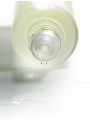
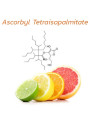



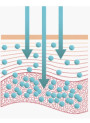
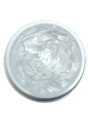
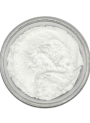
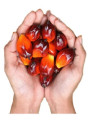
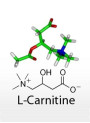
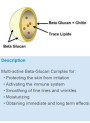
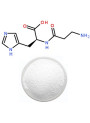
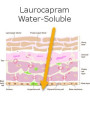
I made a cream formulation, and after about one month of use, it has changed significantly in color, becoming much darker. The cream was stored in an opaque jar at room temperature (not refrigerated). The formula is as follows (50ml): * B3: 1.5% * 4MSK: 1% * Gluco Bright: 2% * Zinc PCA: 0.5% * Tranexamic Acid: 1.5% * Plankton GP4G: 1% * Rice Vitamin: 1% * L-Carnitine: 1% * L-Carnosine: 0.2% * Laurocapram: 1% * 1,2-Hexanediol: 1.5% * Licorice Extract (1%): 0.5% * Calendula Extract: 2% * Fruit Peel: 1.5% * beta glucan: 2.5% * Yeast Radiance: 1% * Light Cream Maker: 1.2% * Base water: Rose Petal Water I did not add any preservative to the formula. I would like to know if the cream's color change is due to a specific ingredient or because I did not include a preservative. Additionally, could you please tell me when Beta Glucan will be back in stock?

What are the key types of ingredients used in makeup setting sprays to help makeup adhere better and last longer, and how do they function?
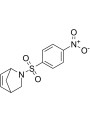
I would like to inquire if your company offers custom product formulation services. Specifically: * Can you develop a formula based on a list of ingredients I provide? * Is this service available even if I don't have extensive knowledge in product formulation? * Can the formula be adjusted for practicality or specific needs?
I would like to make a toner formulation with the following ingredients and percentages: * Rose Water 87% * Argireline 10% * Pep®-Coll (Palmitoyl Tripeptide-5) 3% The goal is to create a toner for anti-aging and pore tightening. Is this formulation possible? The Rose Water I am using already contains a preservative from the manufacturer. Will this be sufficient, or do I need to add an additional preservative?
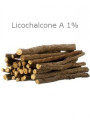
I am formulating a night serum intended for use with Retin-A, aiming for anti-inflammatory and moisturizing effects. I have created two formulas and would like feedback on them. **Formula 1:** 1. Allantoin: 0.50% 2. Ectoine (Ectoin): 2.00% 3. Dipotassium Glycyrrhizate: 0.50% 4. Glycyrrhetinic Acid: 1.00% 5. Vitamin B12 (Cyanocobalamin 1%): 5.00% 6. Calcium Pantothenate: 3.00% 7. Safe-B3™ (Vitamin B3, Niacinamide, Switzerland): 5.00% 8. Phospholipid: 5.00% 9. Bisabolol (Alpha Bisabolol): 1.00% 10. Squalane (Olive): 40.00% 11. Mild Preserved Eco™ (Preservative-Free): 1.00% 12. Distilled water, sterile: 36.00% **Formula 2:** 1. Retinal (Retinaldehyde): 0.10% 2. Tocotrienols: 2.00% 3. Protec™ OX (Pentaerythrityl tetra-di-t-butyl hydroxyhydrocinnamate): 0.05% 4. Protec™ SQ: 3.00% 5. Bisabolol (Alpha Bisabolol): 1.00% 6. Squalane (Olive): 5.00% 7. LipidSoft™ Dry II: 15.00% 8. Phospholipid: 1.00% 9. Satin Cream Maker™: 1.00% 10. Safe-B3™ (Vitamin B3, Niacinamide, Switzerland): 5.00% 11. Calcium Pantothenate: 2.00% 12. Allantoin: 0.50% 13. L-Carnitine (Carnitine): 3.00% 14. Ectoine (Ectoin): 2.00% 15. Licorice Extract (Licochalcone A 1%): 1.00% 16. Distilled water, sterile: 57.35% 17. Mild Preserved Eco™ (Preservative-Free): 1.00% Please review these formulations and provide feedback.
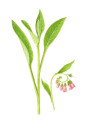
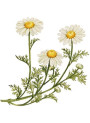
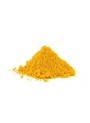


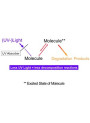
Is **Encapsulated Salicylic Acid (Powder, Timed-Release)** suitable for use in a facial soap formulation? If not, what is the recommended alternative and why?
I have a few questions regarding formulations: 1. I would like a formula idea for a product that can wash off chlorine, suitable for use as both soap and shampoo. I noticed that commercially available products often contain parabens; can a formula be created without this substance? 2. I would like a formula idea for a body wash that leaves conditioning ingredients on the skin after rinsing. My teenage son has started having very dry legs, especially in winter, and doesn't like using any body lotion. I saw Condi-B5™ (Panthenyl Hydroxypropyl Steardimonium Chloride) on the website. Can this be added to an existing body wash? Are there other ingredients that can be used for this purpose? Which category should I look in? 3. I would like to know if the following Body Lotion formula is feasible for moisturizing, firming, reducing age-related wrinkles, and evening out skin tone, considering I am sometimes exposed to the sun during the day (wearing short sleeves): * Rice Vitamin (Inositol) 2% * Sodium Lactate Plus 2.5% * Safe-B3™ (Vitamin B3, Niacinamide) 3% * Oryzanol (Rice Bran Extract) 0.25% * Shea butter ultra soft 5% * WhiteCumin™ (Tetrahydrodiferuloylmethane) 0.15% * Pure-Genistein™ 0.2% * Vitamin E (dl-alpha tocopherol) 0.5% * Lactobionic Acid 1.5% * Slim-Coffee™ 3% * L-Carnitine (Carnitine) 2% * Satin Cream Maker 3% * Water q.s.

I am developing a body spray perfume formula and have questions regarding the use of different fixatives and potential ingredient substitutions, as well as a resulting skin issue. My formula currently includes: * Alcohol * Fragrance * White Musk * Muscofix * PG (Propylene Glycol) * Distilled Water I have the following questions: 1. Do Flora Fix and White Musk help reduce the smell of alcohol in the formula, or do they primarily function as fragrance fixatives? 2. Can Flora Fix and Last Fix be used as alternatives to Muscofix for improving fragrance longevity? 3. What are the advantages of using Flora Fix or Last Fix compared to White Musk or Muscofix? 4. Do fixatives generally help reduce the pungency and diffusion of the fragrance? 5. Regarding Last Fix, which requires heating to 80°C, can I use any heating equipment like a stainless steel or aluminum pot on an induction cooker? What is the recommended method for heating to ensure proper temperature control? Additionally, I am considering replacing White Musk with Flora Fix and PG with 1,3-Propanediol. I am also experiencing skin dryness and itchiness after using the current formula. Could the experts provide guidance on these points?

I have a cleansing oil formula and want to replace Mineral Oil (Heavy) with Olive Oil (Extra Virgin). 1. Can I do this, and should the percentage of Olive Oil be the same as the original Mineral Oil (around 70%)? 2. If the formula separates after changing the oil, what should I do? (The staff mentioned increasing Oilsify 15 or adding Oil Blender). 3. Could you provide an example of a typical cleansing oil formula using Oilsify 15? 4. What are the potential negative effects of using too much of certain ingredients like Phenoxyethanol or Oilsify 15?
I would like to inquire about the availability of Romandolide. If it is not available, or if there are alternatives with a similar musk scent profile, could you please suggest some options?
I want to make a spray perfume for the body using the following formula: * Fragrance Oil: 25% * Dipropylene Glycol: 75% Is this formula suitable? I am asking because I understand that Dipropylene glycol may not help diffuse the scent like alcohol and might be too viscous for a spray nozzle.

What is the best way to store Fragrance Raw Material for long-term preservation, especially considering refrigeration and potential humidity issues? What is the correct procedure for taking it out of the refrigerator to prevent condensation?
I am using the Sulfate Free No-Tear Shampoo Base (Product ID 1185) but it has very low foam. Why is this? I need a sulfate-free shampoo base that produces more foam and provides a better cleaning feel for adult use. What alternative base do you recommend?
I am developing a gold serum formulation to be packaged in an airless pump bottle. I have tried using Carbomer, HydroxyethylCellulose, and Xanthan Gum as thickeners, but they all have noticeable odors that cannot be masked by perfume. A staff member suggested using Odor-Kill, but I am looking for an alternative thickener that inherently has less odor. Could you please recommend a thickener suitable for a gold serum in an airless pump bottle that is odorless or has very little odor, and is compatible with the formulation?
I'm formulating a serum for oily T-zone and under-eye wrinkles using the following ingredients: * Acetyl Hexapeptide-8 (Argireline) 7% * Wakame Extract (Brown Sea Weed) 3% * Pep®-Coll (Palmitoyl Tripeptide-5) 3% * Panthenol (Vitamin B5) ExtraLite™ 2% * Silky Serum Base (Face/Eye) 50% * Distilled Water 34% * Preservative (Mild Preserved Eco™) 1% I was advised to reduce the percentage of Silky Serum Base to 15-20% and add distilled water to make up the difference, as well as add a preservative like Mild Preserved Eco™ at 1%. * Is it necessary to add water and a preservative to this formulation? * What are the correct mixing instructions when using Silky Serum Base, especially when adjusting the percentages as advised?