Browse Questions and Answers
Avg response: 24 HrsFilter Questions
20 of 14233 results
Can Propanediol (1,3-Propanediol) be used as a solvent for dissolving WhiteCumin™ (Tetrahydrodiferuloylmethane) and Pure-Sclareolide™ in a formulation?
Can Tranexamic Acid, Safe-B3™ (Niacinamide), and Phenylethyl Resorcinol (Sym-White™) be combined in a cosmetic formulation, and what are the key formulation considerations regarding pH, mixing, compatibility, and stability?
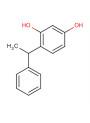
Can Tranexamic Acid, Safe-B3 (Niacinamide), and ChromaWhite be combined in a single formulation for skin brightening?
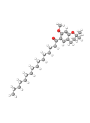
What are the main components and their typical proportions needed to formulate a dietary supplement in tablet form, specifically when using Beta-glucan, Quercetin, and Ascorbic acid as active ingredients?
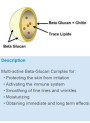
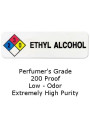
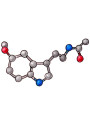
How to dissolve multiple active ingredients (Melatonin, Phytosphingosine, Ferulic Acid, Glycyrrhetinic Acid, WhiteCumin™) and fragrance in Ethyl Alcohol or other suitable solvents for a water-based formula without oil or emulsifiers, and what are the recommended solvent ratios and dissolution steps?
How should a 1000ppm concentrated liquid Copper Peptide be used? Can it be applied directly or diluted with water, or should it be mixed into a cosmetic base?
Could you please provide a recipe for a sugar scrub specifically for the lips?
I have a facial lotion formula containing Lavender Water, Disodium EDTA, Allantoin, Natural Betaine, Calcium Pantothenate, Calendula Extract (Water Soluble), 1,2-Hexanediol, Milk Lotion Maker™, Cetearyl Alcohol, Sunflower Oil, Phytosphingosine, Cyclopentasiloxane, Dimethicone 1Secs, Glycerin, Xanthan Gum, Hydrolyzed Milk Protein, Lactobiol, and Mild Preserved Eco™. Can this formula be claimed to restore the skin barrier, reduce redness, reduce acne, provide moisture, and smooth the skin? Are there any adjustments needed?

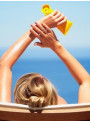
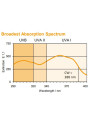
How can a sunscreen formula containing SPF Protect Ultra II be modified to achieve a PA++++ rating? Please recommend specific ingredients and their suggested usage percentages for laboratory testing purposes.
Could you clarify the origin of PEG 40 Hydrogenated Castor Oil (whether it's purely petrochemical or includes natural components), explain the potential dangers of PEGs in cosmetics, and suggest alternative ingredients if one wishes to avoid PEGs?
Regarding using Cetylpyridinium chloride (CPC) and Four-EO™ as alternatives to Triclosan in toothpaste, should I choose one or both? What are the recommended usage percentages for each, both individually and when combined in a toothpaste formulation?
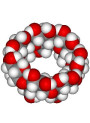
Could you please explain the differences between Beta Cyclodextrin and Hydroxypropyl Beta Cyclodextrin regarding their solubility in water and oil, their applications as encapsulating agents in food (including benefits like bioavailability and stability), and confirm if the products sold on the website are food grade?
How can liquid sorbitol and Vitamin C powder be combined to create a stable powder product suitable for drinking or eating directly?
Can Microcrystalline Cellulose (MCC), also known as Avicel, be used in beverages to prevent separation or sedimentation?
What are the recommended usage percentages for Methylene Bis-Benzotriazolyl Tetramethylbutylphenol and Zinc Oxide 200nm EasyDisperse™ in a cream sunscreen formulation aiming for SPF50, PA+++?
How can alcohol be replaced in a liquid medication formulation, and what alternative ingredients can be used to create an alcohol-free product?
Hello, I recently had a lotion produced. After using it for about 2 weeks, the results are quite good. However, the issue is with the product texture. It is very liquid, and when applied to the skin, it feels like it coats the skin. It takes a long time to absorb into the skin, is sticky and tacky. When showering, it feels like washing off something slippery. I probably cannot use it outside of an air-conditioned room. I want the product texture to feel like a normal lotion. How can I fix this? The ingredients are as follows: 1. Sweet Almond Oil (Refined) 5.00 2. Z-White™ 1.00 3. Safe-B3™ (Vitamin B3, Niacinamide, Switzerland) 5.00 4. GlucoBright™ (Acetyl glucosamine) 4.00 5. Clover Flower Extract (Biochanin A 98%) 0.50 6. Licorice Extract (Glabridin 4.5%, Water-Soluble) 2.00 7. VersaMoist™ (PEG/PPG-14/7 Dimethyl Ether) 2.00 8. Mild Preserved Eco™ (Preservative-Free) 1.00 9. Activated Resorcinol™ 1.00 10. Satin Cream Maker™ 1.50 11. Xanthan Gum (ชนิดเจลใส, เนื้อเนียนไม่ยืด) 0.50 12. Isopentyldiol 5.00 13. ActiveProtec™ OX 1.00 14. Laureth-23 2.00 15. Ethyl Ascorbic acid (Vitamin C Ethyl Ether) 2.00 16. Chance (compare to Chanel) 1.00 17. น้ำกลั่น ปราศจากเชื้อ 59.50 18. Glycerin 99.5% 4.00 19. Phospholipid 1.00 20. Butylene Glycol 1.00

Does Sodium Cocoyl Isethionate contain SLES, and what are the key differences between Sodium Cocoyl Isethionate and Cocoyl Glutamic Acid 95%?
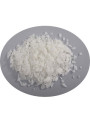
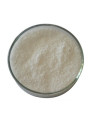
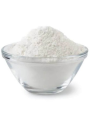
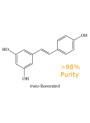
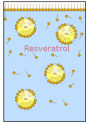
Could you please provide information on the types and forms of Resveratrol products available for sale at MySkinRecipes, including their country of origin?
Can mica powder from the website be used to color perfume, and if so, how can it be dissolved?