Browse Questions and Answers
Avg response: 24 HrsFilter Questions
20 of 14228 results
I am encountering issues with my Sponge Gel formulation. I dispersed 1% Sponge Gel in 2% glycerin, then added water to a total of 100g. The resulting texture is thin, lacks viscosity, and separates into water and a solid-like phase when left standing. If I want the texture to be thicker and more viscous, should I increase the concentration or use a different solvent?
Could you please provide a detailed mixing procedure for a sunscreen formula using the following ingredients? * Zinc Oxide 200nm EasyDisperse 6% * AquaForce™ EHT: Water, Acrylates/C12-22 Alkyl Methacrylate Copolymer, Ethylhexyl Triazone (20%), Glycerin, Phenoxyethanol, Chlorophenesin, Sodium Benzoate 15% * EHT 1% * DHHB 4% * Bisoctrizole (MBBT, e.q. Tinosorb M) 7% * AquaForce™ BEMT : Water, Bis-Ethylhexyloxyphenol Methoxyphenyl Triazine (20%), Acrylates/C12-22 Alkyl Methacrylate Copolymer, Glycerin, Phenoxyethanol, Chlorophenesin, Sodium Benzoate 15% * Extreme-B3 4% * สารสกัด ผักเบี้ยใหญ่ Portulaca Extract (Purified Colorless Liquid) 0.5% * สารสกัด ใบบัวบก 1% * สารสกัดชะเอมเทศLicorice Extract (Licochalcone A 1%, Water-Soluble) 1% * Panthenol 2% * Disodium EDTA 0.1% * SelectSorb 2% * Magnesium Sulfate 1.5% * Hydrogenated Polyisobutene (4cs, e.q. MC30) 3% * LipidSoft™ SPF 12% * Oil-Fix™ W (Oil/Silicone, Silica Dimethyl Silylate) 2% * Xantan gum 0.15% * Hemisqualane 6% * UV35 (Polyurethane-35) 2% * Warp Cream Maker™ XL 5% * Biosaccharide Gum-2 1% * Protec™ OX (Pentaerythrityl tetra-di-t-butyl hydroxyhydrocinnamate) 0.1% * Mild Preserved Eco™ - Propanediol 90%, Ethylhexylglycerin 10% 2% * น้ำกลั่น 6.65%
Could you provide a formula for a gentle facial foam that helps with acne?
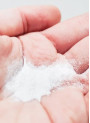
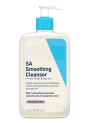
Please review the following formula for a white translucent loose powder with oil control and lightweight texture: * Aluminum Starch Octenylsuccinate 56% * Synthetic Fluorphlogopite (20 Micron, Silane Coated) 30% * Magnesium Stearate 5% * SelectSorb™ 3% * AminoSilk™ 5% * Preservative 1% Can this formula be used? Are there any adjustments needed? Please advise. Regarding the mixing method, is it sufficient to mix all ingredients together with a spoon until well combined before packaging? Also, please recommend a suitable type of preservative for this loose powder formula. Thank you.
I am developing an anhydrous bronzer/foundation product for both face and body. The key requirements for this product are: * Highly waterproof * Crease resistant * Transfer resistant * Luxurious feel on the skin Could you provide suggestions for the formulation to achieve these properties?
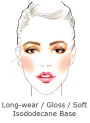
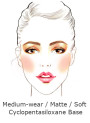
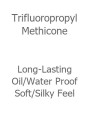
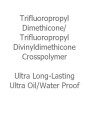
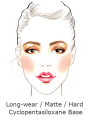
Based on the following sample formula, which ingredients help provide a cooling and comfortable sensation upon application? ``` Aqua, Butylene Glycol, Ethylhexyl Methoxycinnamate, Butyl Methoxydibenzoylmethane, Octocrylene, Phospholipids, Ammonium Acryloyldimethyltaurate/VP Copolymer, Onsen-Sui, 1,2-Hexanediol, Ethylhexylglycerin, Allantoin, Sodium Hyaluronate, Bis-PEG/PPG-20/5 PEG/PPG-20/5 Dimethicone, Methoxy PEG/PPG-25/4 Dimethicone, Caprylic/Capric Triglyceride, Aloe Barbadensis Leaf Juice Powder, Maltodextrin, Hexacarboxymethyl Dipeptide-12, Glycerin, Leontopodium Alpinum Callus Culture Extract, Xanthan Gum, Biosaccharide Gum-2, Propanediol, Camellia Japonica Flower Extract, Prunus Yedoensis Flower Extract, Phenoxyethanol, Chlorphenesin, Disodium EDTA ```

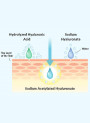
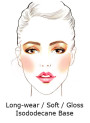
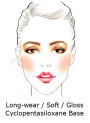
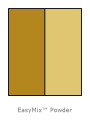
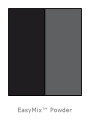
Based on the provided ingredients, could you provide a foundation formulation framework, including suggested usage percentages and mixing steps? Additionally, if I want to avoid D4 and D5 silicones, what alternative ingredients can be used? The ingredients I have are: * Isododecane * PEG-10 Dimethicone * Silicone 5225C * Mirasil Balance * Wynca® XHG-025 * Dimethicone(Medium/350, Low-Odor) * Hectorite Gel™ (Dicaprylyl Carbonate Base) * PURESIL BSG-5045, Silicone Gel * Silicone Film * Polyhydroxystearic acid * Beige Iron Oxides EasyMix™ * Yellow Iron Oxides EasyMix™ * Black Iron Oxides EasyMix™ * Water * Glycerine * Hydagen® Aquaporin, UltraMild Aquaporin™ * Titanium Dioxide 250nm Pigment (Non-Treated) * Repoly 315, SepGEL 305 * Caprylyl Glycol * SUNCAT MTA * MatteSilica 5™ (5 Micron)
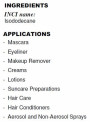
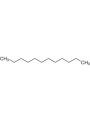
I am trying to dissolve B3-Boost™ (Picolinamide) at a concentration of 3% in 12% butylene glycol, but I encountered precipitation and incomplete dissolution. I would like to know: * What is the recommended method for dissolving B3-Boost™ (Picolinamide)? * What solvent or co-solvent should be used? * What percentage of the solvent/co-solvent should be used to achieve complete dissolution at 3% concentration?
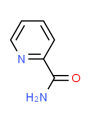
I am trying to dissolve `B3-Boost (Picolinamide)` at a concentration of 5% in 12% `Butylene Glycol` and encountered precipitation/incomplete dissolution. Why is this happening?
I have questions about the Skin Barrier Cream Base (Emulsifier Free). 1. After diluting the base with water and adding a thickener, can water-soluble active ingredients be added? If so, approximately what percentage? 2. Can you provide a composition breakdown of the active ingredients in this base? I am concerned that adding more of certain actives might exceed the desired percentage.

I want to make artificial sebum or synthetic oil for research purposes. Which type of Squalene/Squalane can be used and is similar to the sebum on skin?
Do you sell Squalene for cosmetic formulation? What is the difference between Squalene and Squalane, and how are they used in cosmetic formulations?
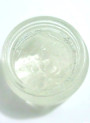
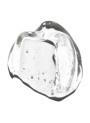
I am looking for chemical substances that can reduce foam in cooked blood clots. Can you recommend 2-3 options? The process involves mixing the chemical substance with saline solution at a temperature of 40-50°C, then mixing the saline solution with blood in a mold, and heating by boiling until a cooked blood clot is formed. I am currently considering Monoacylglycerol and Diacylglycerol. * Can these substances be used for this purpose? * What should be the mixing ratio? * Is there a maximum permitted ratio? * Are there legal regulations governing their use in this application? * Are they safe for food consumption? * Are there other more suitable substances available?
I would like to find a chemical substance that can reduce foam in cooked blood pudding. Do you have any recommendations? The process involves mixing the chemical substance with saline solution first (saline solution temp. = 40-50 °C). After that, the saline solution mixed with the substance is combined with blood in a mold and cooked by boiling until it becomes cooked blood pudding. Currently, I am considering `Monoacylglycerol` and `Diacylglycerol`. * Can these substances be used? * What percentage should they be mixed at? * Are there legal limits on the usage percentage? * Are they safe for food? * Are there other more suitable substances?
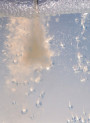
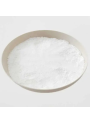
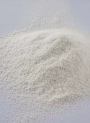
What is the difference between Polyethylene Wax and Synthetic Wax, and can they be used interchangeably in formulations?
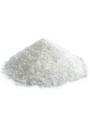
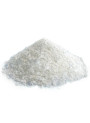
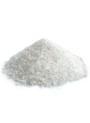
Regarding Collagen Peptide (Bovine Bone): * Can this type of collagen be consumed? * How does it differ from fish collagen? * Is the absorption good? * What is the recommended daily dosage in grams? * What is the best time to consume it? * Are there any side effects? * Should I consume it for three months and stop, or can I consume it continuously? I am hoping for benefits not just for the skin, but also for bones and knee joints.
I would like to develop a sunscreen formula focusing on UVA, UVB, Reef Safe, water resistance, sweat resistance, and PA++++. I have proposed the following formula: * Drometrizole Trisiloxane (e.q. Mexoryl XL) 10% 10.00% * Ethylhexyl Triazone EHT 1.30% * PPG-3 myristyl ether 40% 10.00% * BEMT 2% 5.00% * Lipidsoft SPF 17% 10.00% * DHHB 4.60% * LipidSoft™ C1215 (C12-15 alkyl benzoate) 20.00% * Bisoctrizole (MBBT, e.q. Tinosorb M) 10.00% * Acrylates/C12-22 Alkyl Methacrylate Copolymer 10% 10.00% * Extreme-B3 5.00% * Portulaca Extract 0.50% * Centella Asiatica Extract 1.50% * สารสกัดชะเอมเทศจากประเทศเกาหลี 1.00% * Panthenol 2.00% * Disodium EDTA 0.10% * SelectSorb 2.00% * PMMA Booster 3.00% * Mild Preserved Eco 1.00% * Water 3.00% Total: 100.00% Is this formula feasible? What adjustments are needed, and what mixing method do you recommend? Thank you.


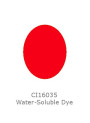
In a mouthwash formulation containing Chlorhexidine, which is a cationic (positively charged) ingredient, can the red color CI 16035 (Allura Red) be used for coloring?


I have a sunscreen formulation and would like to ask the following: 1. Can this formula be mixed? 2. Can you provide a rough estimation of the SPF and PA values? 3. Are there any suggestions for increasing or decreasing ingredients, focusing on high sun protection, fast absorption, non-sticky texture, and non-clogging properties? 4. Is the current formula sufficient for sweat and water resistance? Is it necessary to add `WaterGuard™ Ultra`? Here is the formulation: * `Light Invisible Sunscreen`: 64.4% * `Safe B3`: 5% * `Allantoin`: 0.5% * `Panthenol`: 2% * `Disodium EDTA`: 0.1% * `SelectSorb`: 2% * `AquaForce™ EHT`: 15% * `AquaForce™ AVO`: 6% * `น้ำกลั่น` (Distilled Water): 5% * Total: 100%
What is the composition of Reed Diffuser Base (Type 1) and Reed Diffuser Base (Type 2)? Are they MMB, DPM, DEP, or DPG? If they are not any of these, how does their Evaporation Rate compare to MMB (lower or higher)?